
Last updated November 23, 2026
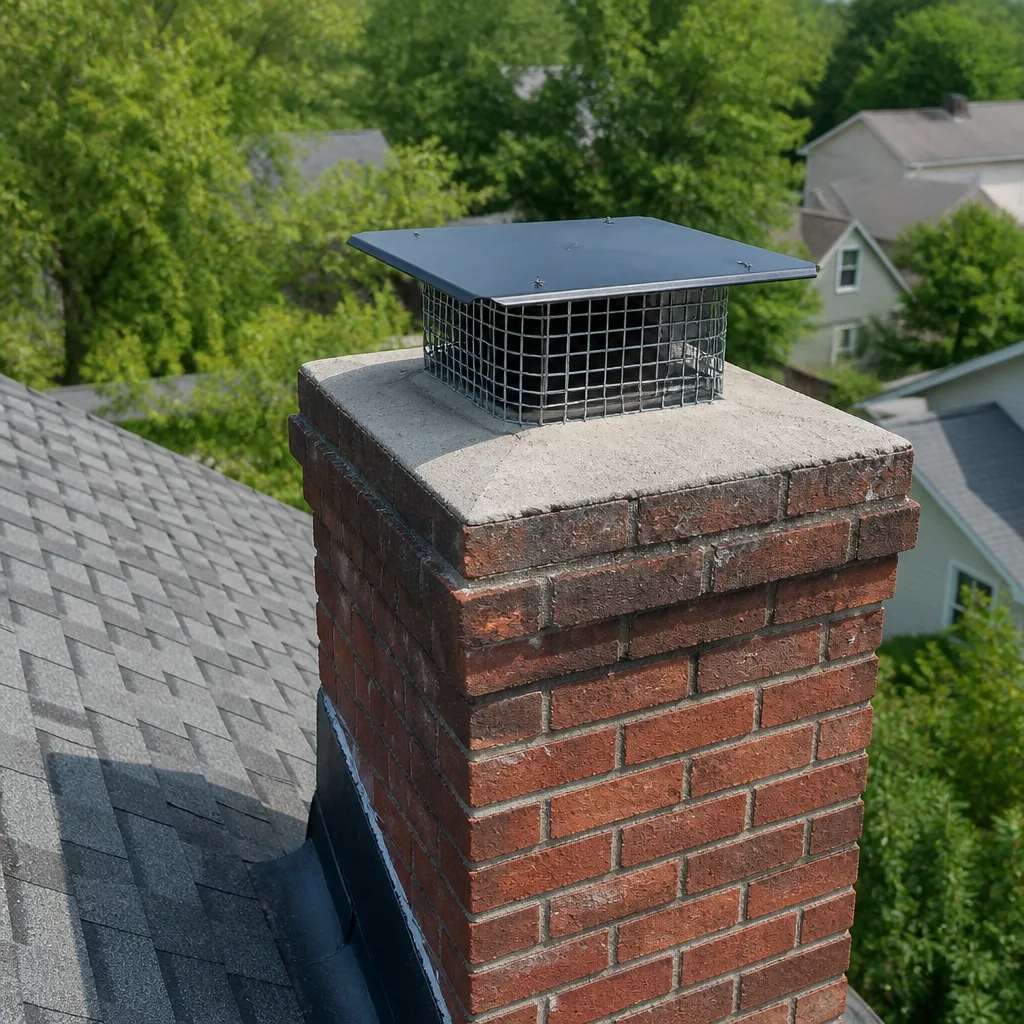 Sweep & inspection
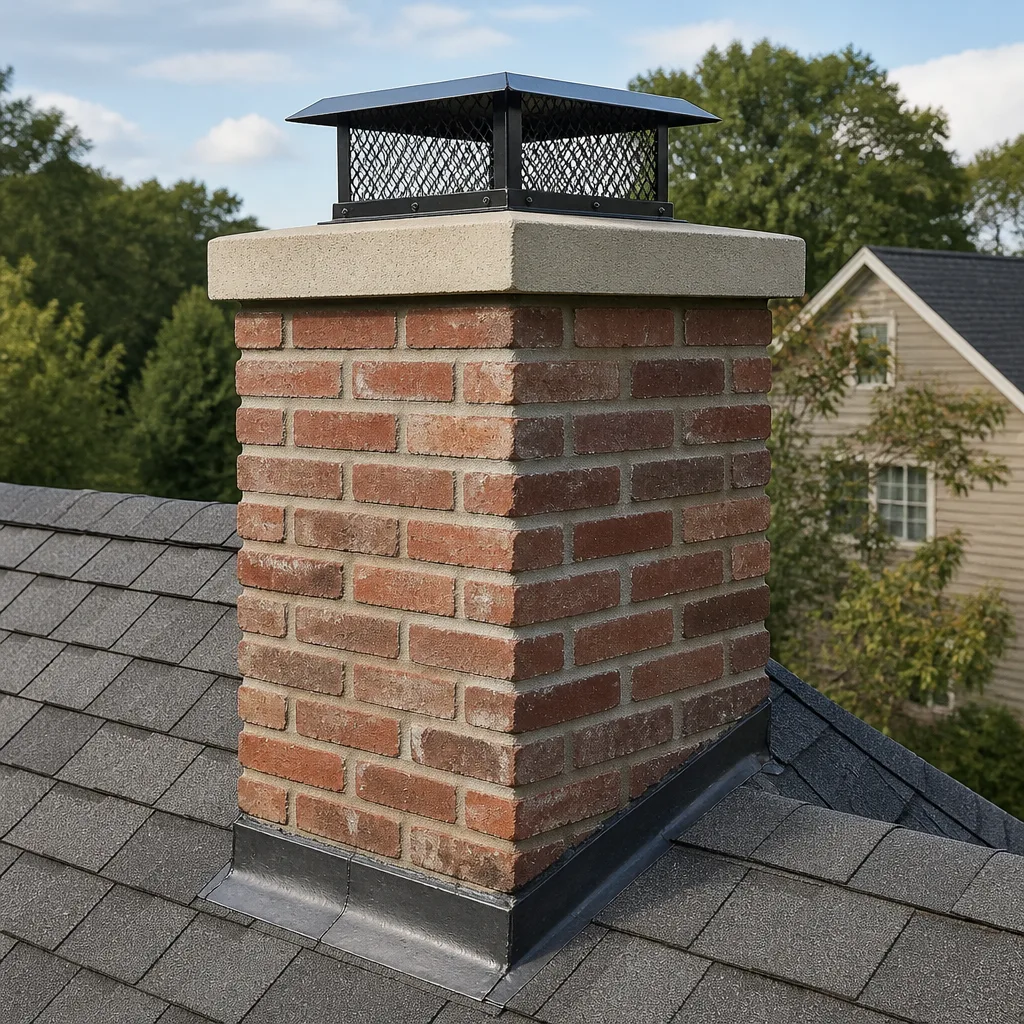 Caps & crowns
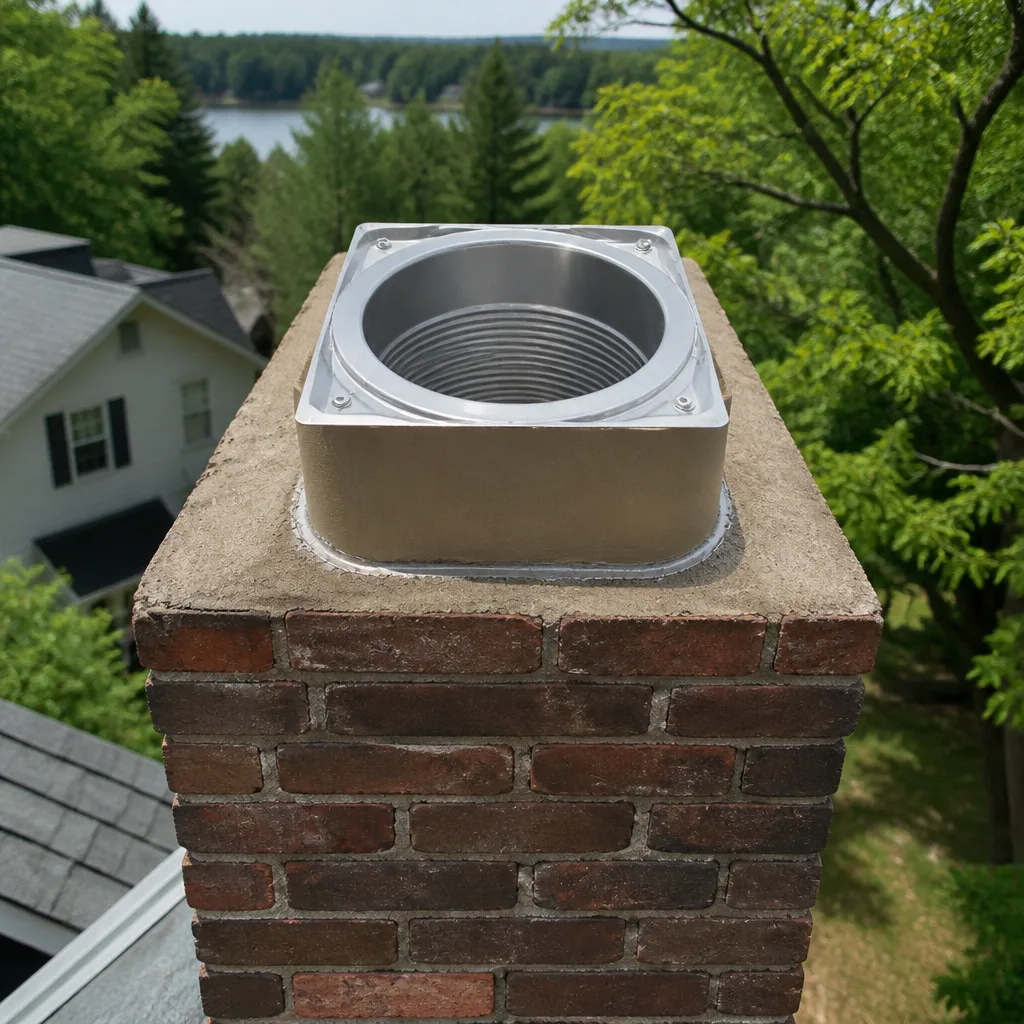 Flue relining
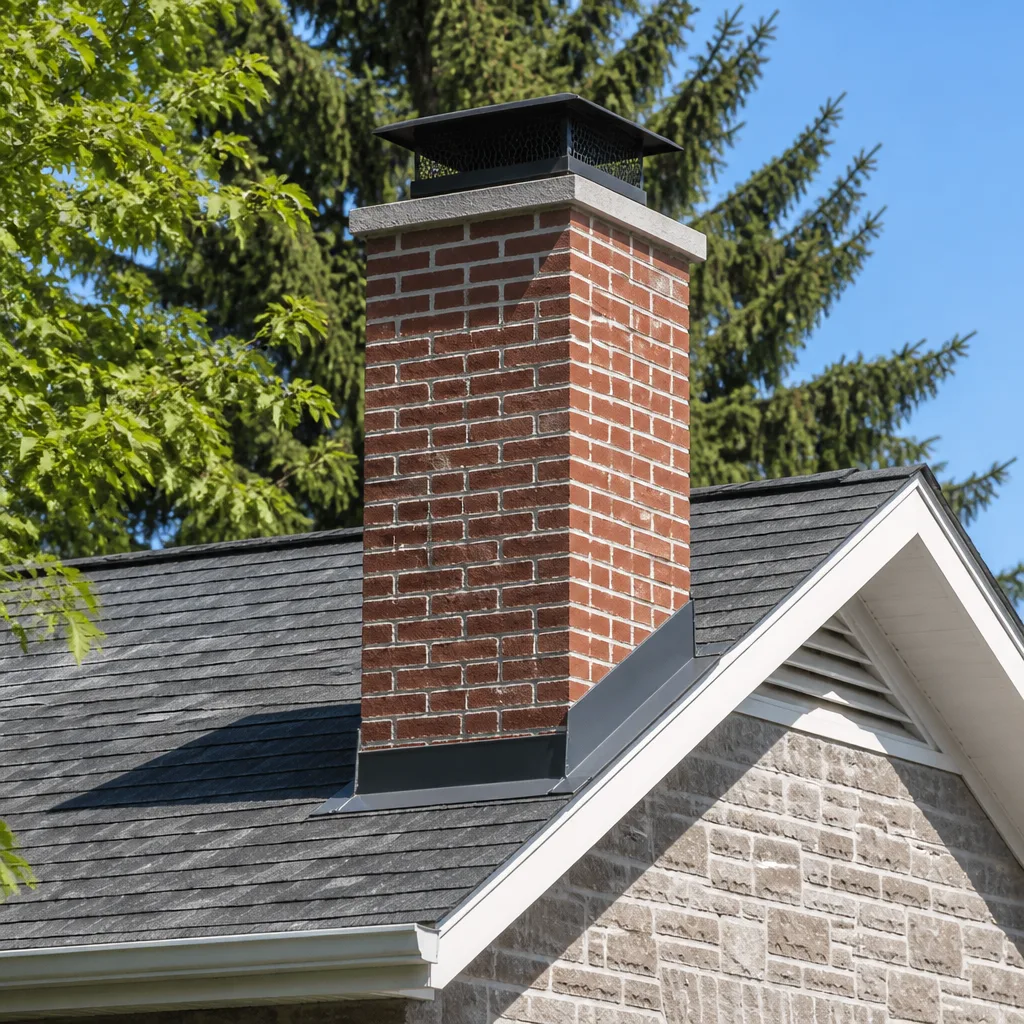 Masonry repair
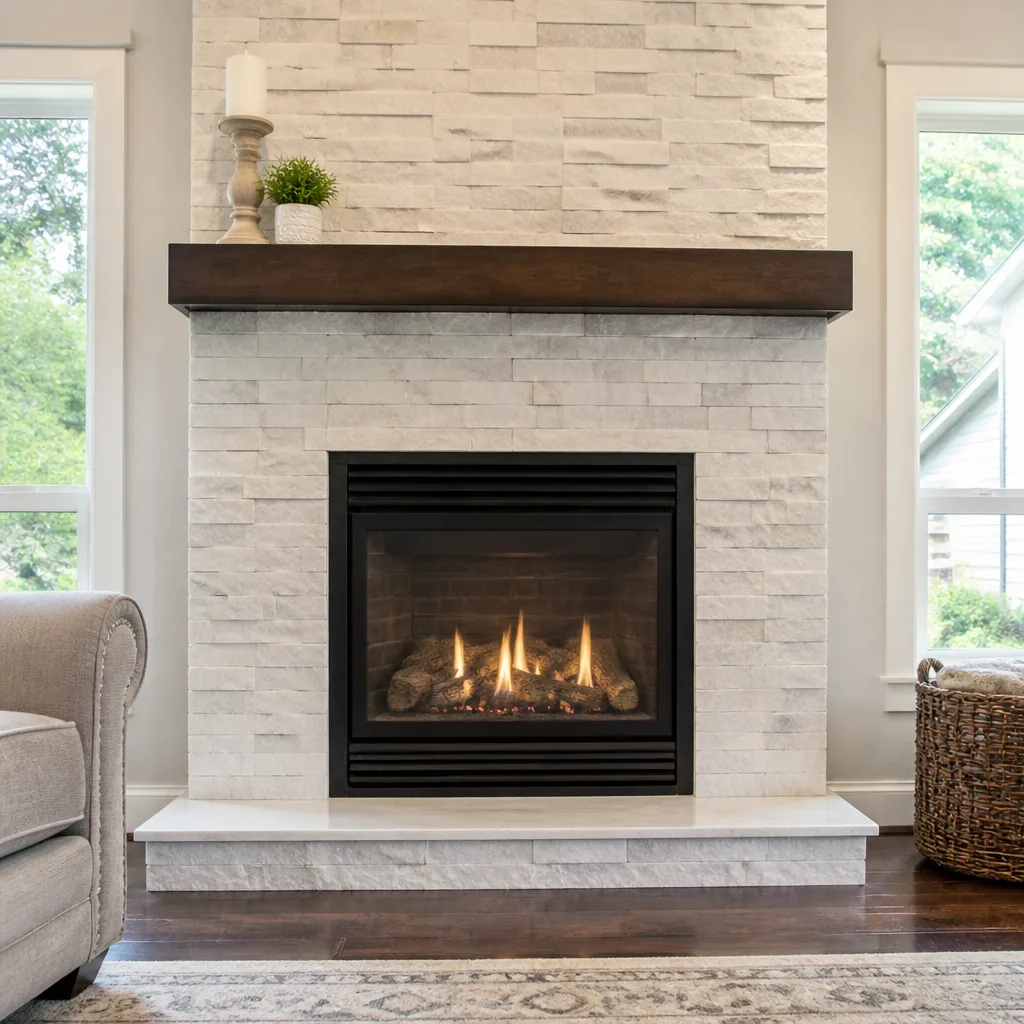 Gas fireplace service
Level 1 sweep and inspection to the NFPA 211 annual standard - flue, crown, cap, and flashing checked and photographed
Chimney sweep logs do not sweep chimneys. They loosen some creosote - which then falls where a brush and vacuum still have to collect it.
Chimney Cleaning Cost Breakdown: The Commerce City Homeowner’s Reference for 2026
Most homeowners assume that cleaning a chimney is cleaning a chimney, so the cheapest quote on the list must be the smart buy. That logic falls apart the moment you see what a discount sweep actually covers: twenty minutes of brushing, a flashlight aimed up the flue, and a bill. A full-service cleaning from a specialist includes a real inspection, documentation of what the camera finds, and a written record you can hand to a buyer, an insurer, or the next technician who works on the system. This guide breaks down every line item in a 2026 chimney cleaning estimate, explains what drives price differences between contractors in Commerce City, and shows you how to tell a legitimate repair finding from a pressure tactic. Read it once and you’ll never be talked into work you can’t verify.
Quick Answer
A basic chimney sweep in Commerce City typically runs $150 to $300, a Level 1 inspection generally falls in the $100 to $200 range, and a Level 2 video inspection usually costs $250 to $450. Liner cleaning can add $100 to $250, and firebox cleaning typically adds $75 to $200 depending on creosote buildup. The written estimate sets the final price, and every figure below is a typical estimate, not a quote.
Styles & brands we work with
- Sweep & inspection
- Caps & crowns
- Flue relining
- Masonry repair
- Gas fireplace service
Table of Contents
- What’s Actually in a Chimney Cleaning Quote?
- Itemized Cost Ranges for Every Service Type
- What Drives Price Variation in Commerce City?
- The Upsell Problem: How to Read a Repair Recommendation
- Repair Now vs. Defer and Monitor
- Annual Cleaning Economics vs. the Cost of a Chimney Fire
- How a Full-Service Sweep Actually Works
- How to Compare Contractors Without Getting Burned
What’s Actually in a Chimney Cleaning Quote?
Every real chimney cleaning quote is built from the same handful of components, whether the contractor itemizes them or buries them in one number. Pulling those components apart is the first step toward comparing quotes honestly. When one quote says $89 and another says $275, the difference is almost never markup on the same work. It’s scope.
Here’s what a full-service cleaning typically includes:
- Setup and protection. Drop cloths, a sealed work area, and a vacuum system rated for fine particulate. This alone accounts for real time and equipment cost.
- Brushing the flue. The correct brush for the flue type and size, worked from the top down or bottom up depending on access.
- Firebox and smoke shelf cleaning. Creosote collects in corners a quick brush pass misses entirely.
- Damper and flue-connection check. Confirming the damper opens, closes, and seals correctly, and that the appliance connection is sound.
- A visual inspection of accessible components. Crown, cap, flashing, and visible flue interior. This is roughly a Level 1 inspection folded into the sweep.
- A written report. What was found, what condition the system is in, and what, if anything, needs attention.
A discount sweep typically covers brushing and a visual glance, with no report and no itemized inspection. That’s not necessarily dishonest, but it leaves you with no record and no baseline. In our experience, the report is the part homeowners actually need. It’s the difference between knowing your flue is clean and knowing it’s safe.
The full scope of what a proper sweep involves is covered in our guide to chimney sweep service, including what we check on the roof and in the firebox.
Itemized Cost Ranges for Every Service Type
Prices in the Commerce City market vary widely between contractors, but the underlying line items are consistent. The table below shows typical 2026 ranges for each service type. Treat every number as an estimate for planning, not a quote. Your written estimate is the number that matters.
| Service | Typical Estimated Range | What It Covers |
|---|---|---|
| Basic chimney sweep | $150 – $300 | Brushing, firebox cleaning, damper check, basic visual inspection |
| Level 1 inspection | $100 – $200 | Visual inspection of readily accessible components, written summary |
| Level 2 video inspection | $250 – $450 | Camera scope of the full flue, documentation, joint and liner condition |
| Liner cleaning | $100 – $250 | Additional brushing of a heavily fouled or restricted flue liner |
| Firebox cleaning | $75 – $200 | Removal of ash, debris, and creosote from the firebox and smoke chamber |
| Sweep + Level 1 combined | $225 – $425 | The most common annual service package |
| Sweep + Level 2 combined | $350 – $625 | Recommended after a change of ownership or a system problem |
Two things push a quote into the higher end of these ranges. The first is the condition of the flue. A system with heavy, glazed creosote takes significantly longer to clean than a lightly used one, and glazed deposits often require chemical treatment before brushing. The second is access. A chimney that requires a ladder setup on a steep or complex roofline adds time and equipment. That’s a real cost, not a sales bump.
Liner cleaning is where quotes diverge most. A flue with an offset or a partially collapsed liner can trap debris that simple brushing won’t reach. If a contractor quotes a low sweep price without seeing the flue, they’re guessing. A proper inspection has to come first, which is why we say that we identify the problem before we quote the fix.
What Drives Price Variation in Commerce City?
Commerce City sits on the northern edge of the Denver metro, and the housing stock here creates specific conditions that affect cleaning costs. Chimney height is the biggest one. A taller chimney means more flue to brush, more ladder work, and longer setup. A single-story ranch with a short flue is a faster job than a two-story with a chimney at the roofline peak.
Access is the second major factor. Some rooflines in Commerce City’s older neighborhoods have steep pitches and limited safe standing space near the chimney. That means extra time to set up ladders and proper fall protection. Contractors who skip the safety setup are either working unsafely or skipping the roof inspection entirely, and neither is acceptable.
Flue configuration is the third. Older masonry chimneys often have interior offsets, meaning the flue doesn’t run straight from firebox to crown. An offset traps creosote and debris that straight-brushing doesn’t reach, and it may require a different brush or a camera to inspect properly. Many of these homes also have a fireplace and a furnace vent sharing the same chimney, which changes both cleaning and inspection requirements.
Climate plays a role too. Cold snaps followed by warm periods create condensation inside the flue, which combines with creosote and combustion byproducts to produce acidic deposits. Those deposits attack the mortar joints in masonry chimneys faster than dry creosote does. That’s one reason annual inspection matters here more than it does in a drier, warmer climate. If your flue is showing mortar deterioration, that’s a repair conversation, and our chimney repair team handles it.
None of this is unique to one house. It’s the general condition of the local housing stock and climate, and it’s why a flat national price from a website means very little. A quote that doesn’t account for your chimney’s actual height, access, and flue configuration is a quote for a different job.
The Upsell Problem: How to Read a Repair Recommendation
The single most common complaint we hear from homeowners is that they can’t tell whether a repair recommendation is real or a sales tactic. That’s a fair concern. The chimney industry has earned some of that skepticism, and the fix isn’t reassurance, it’s documentation. A legitimate recommendation always comes with evidence you can see and keep.
Here’s what should accompany any repair recommendation:
- Camera footage or photos of the actual defect. A cracked flue tile, a deteriorated crown, or a failed liner joint should be visible on a screen or in a photo you receive, not just described. If a technician tells you the flue is cracked and can’t show you, ask to see it.
- A Level 2 video inspection report. This is the standard for any recommendation beyond routine maintenance. The camera shows the condition of the flue interior from firebox to crown.
- The specific condition found, in plain language. “The liner has gaps at two joints” is useful. “Your flue is compromised” is not.
- A clear statement of urgency. Some findings need attention before the next fire. Others can safely be monitored for a season. A good contractor will tell you which is which, and will say plainly when work can wait.
- A written estimate that separates repair from cleaning. Bundling a $3,000 liner replacement into a $89 sweep quote is a red flag.
In our experience, the clearest signal of a legitimate recommendation is whether the contractor is willing to tell you to wait. If a problem is surface-level, a good technician says so. HeatShield resurfacing is a good example. It restores deteriorated flue tile without requiring full liner replacement, which means it can be a genuine middle path rather than a full-package upsell. A contractor who knows how to apply HeatShield has an option that a brush-and-run operation doesn’t. But that capability only matters if the recommendation is based on evidence you can see.
If you’re ever unsure, ask for a second opinion, or ask the contractor to walk you through the camera footage. A specialist who knows the system will welcome the question.
Repair Now vs. Defer and Monitor
Not every finding needs immediate work, and treating every finding as urgent erodes trust. The decision between repairing now and monitoring comes down to whether the condition affects safety, whether it’s actively worsening, and what the cost of failure would be.
Repair now, or before the next burn, when you’re looking at:
- Gaps, cracks, or separated joints in a liner. This is the most critical fire-safety element of a chimney system. A compromised liner lets heat and combustion gases reach combustible framing. That’s a replace-or-repair decision, not a monitor decision.
- A deteriorated crown or missing cap. Water getting into the top of a chimney causes freeze-thaw damage that spreads downward. Cap and crown work is inexpensive relative to the structural damage it prevents.
- Visible creosote in the flue after a cleaning. Heavy or glazed creosote is the fuel for a chimney fire. It doesn’t resolve on its own.
- Any gas appliance venting issue. That’s a carbon monoxide concern, and it gets resolved before the appliance is run again.
Defer and monitor when the finding is limited to:
- Cosmetic crown surface wear with no penetration into the chimney structure.
- Light ash buildup in a firebox that will be cleaned at the next sweep.
- Minor mortar joint erosion on an exterior chimney that’s inspected annually and hasn’t progressed.
The cost of deferring a real problem is what makes this decision matter. A liner replacement is a significant investment. A chimney fire caused by failed or missing liner protection can mean structural damage, water damage, and a much larger repair. The math favors repair when the condition is genuinely safety-related. The skill is in knowing the difference, and that’s what an inspection is for. The local pro we connect you with is licensed and insured as their state requires, and the inspection report is your record of what’s actually going on.
Annual Cleaning Economics vs. the Cost of a Chimney Fire
An annual sweep and inspection is one of the cheapest maintenance items on a home. A liner replacement is one of the more expensive chimney repairs. A chimney fire sits above both, and it’s the outcome the cleaning is designed to prevent. Framing the decision as a cost comparison makes it clearer than any warning about fire risk alone.
Think of it as three numbers:
- The cleaning cost. A typical annual sweep and inspection falls in the range shown above.
- The deferred-repair cost. If a small crown or cap issue is caught during the sweep, it’s a modest repair. If it’s allowed to progress through freeze-thaw cycles, it escalates into structural work and possibly liner damage.
- The failure cost. A chimney fire or a collapsed flue liner isn’t a chimney repair. It’s a structural repair, a displacement, and in the worst case a loss. The figures aren’t comparable, and they don’t need to be.
The economics of annual cleaning aren’t really about saving money on repairs. They’re about keeping the failure cost off the table entirely. A sweep that catches a cracked crown in year one prevents a structural repair in year three. An inspection that catches a gap in a liner joint prevents the most serious failure mode in the system. That’s the whole case for cleaning, and it’s stronger than any discount coupon.
One more piece: cleaning is a maintenance baseline, not a one-time event. How often you need a sweep depends on how much you burn and what you burn. A fireplace used regularly through a cold Commerce City winter will need annual cleaning. A gas appliance vented through the same chimney gets inspected on a similar cadence, even though it produces different deposits. The frequency question is answered by your inspection, not by a calendar.
How a Full-Service Sweep Actually Works
Knowing the steps of a professional sweep makes it easier to compare quotes and spot a shortcut job. Here’s how a full-service cleaning typically proceeds:
- Pre-inspection and setup. The technician inspects the firebox and damper, then sets up floor protection and a sealed work area with a vacuum running throughout.
- Flue brushing. The appropriate brush is run through the flue from the roof or from the firebox, depending on access, to remove creosote and soot.
- Firebox and smoke chamber cleaning. Ash, debris, and deposits are removed from the firebox, smoke shelf, and damper area.
- Inspection of accessible components. Crown, cap, flashing, and visible flue interior are checked. Signs of water intrusion, cracked masonry, or a failing cap are noted.
- Video inspection where warranted. A Level 2 camera inspection is performed if the visual check reveals anything that needs a closer look, if the home has changed ownership, or if the appliance or flue type has changed.
- Cleanup and report. The work area is cleaned, and the technician walks you through the findings and provides a written summary.
The order matters. Inspection before and after cleaning is what separates a full-service sweep from a quick brush. If the technician is out the door before you’ve seen a report, the inspection didn’t happen.
Repair and installation work follows the same inspection-first logic. When a liner needs attention, the technician specifies a professional-grade system like DuraFlex, the kind of material specified by certified chimney professionals nationwide. Those components are specified for a reason, and the difference shows up in both safety and longevity. Our fireplace repair service covers the firebox side of the system, and our cap and crown work protects the structural investment from the top down.
How to Compare Contractors Without Getting Burned
Comparing chimney contractors comes down to scope, documentation, and whether the company can handle the full lifecycle of the system. Here’s a checklist to use when you’re evaluating quotes:
- Does the quote itemize? A single number with no breakdown tells you nothing about what’s included.
- Is an inspection part of the cleaning, or an add-on? A full-service sweep should include a visual inspection and a written summary.
- Will you get camera footage for any recommended repair? This is non-negotiable for anything beyond routine maintenance.
- Can the same company do the repair? When the team that inspects also performs the repair and installation, there’s no gap for a subcontractor to fill. That single-company accountability is why we cover cleaning, inspection, fireplace repair, chimney repair, and cap and crown work under one roof. No referrals out for related work.
- Does the company work with professional-grade materials? The brands matter. Working with DuraFlex, HeatShield, Gelco, Olympia Chimney, Famco, and Copperfield means the repair uses materials the trade specifies, not big-box substitutions.
- Is the recommendation based on evidence you can see? If not, walk away.
One last point about the “certified” label. Certification means the technician has been trained on inspection standards and can document findings properly. Ask what a company’s report looks like before you book. The report tells you more about the operation than any marketing page. Our team at Chimney Sweep Commerce City offers free estimates, and we’ll walk you through what a full-service cleaning includes before you commit to anything. Call (855) 617-2952. We answer 24/7. Fast dispatch from 7am to 7pm, Sunday through Friday.
Common Mistakes to Avoid
- Buying on price alone. A $79 sweep and a $275 sweep are not the same service. Compare scope, not dollars. The cheap quote usually reflects a shorter visit, not a more efficient one.
- Skipping the inspection because the sweep “looked fine.” The sweep cleans the flue; the inspection tells you what condition it’s in. Without the inspection, you don’t have a baseline, and you won’t know what changed next year.
- Accepting a repair recommendation without seeing the evidence. Ask for camera footage or photos of any defect. A legitimate finding holds up to a second look, and a contractor who can’t show you is asking you to trust a description.
- Treating a cap or crown problem as cosmetic. Water intrusion at the top of a chimney causes freeze-thaw damage that spreads into the structure. Commerce City winters make this a real cost multiplier, not a cosmetic issue.
- Assuming the flue is fine because the fire burns well. A chimney can vent adequately and still have a compromised liner or heavy creosote. The fire doesn’t tell you what the camera does.
- Using a general handyman for chimney work. A chimney is a specialized system. The inspection standards, the materials, and the safety requirements are all specific to the trade.
- Letting a gas appliance go uninspected because it “doesn’t make creosote.” Gas appliances still need venting inspection. Carbon monoxide is the concern, and it’s invisible.
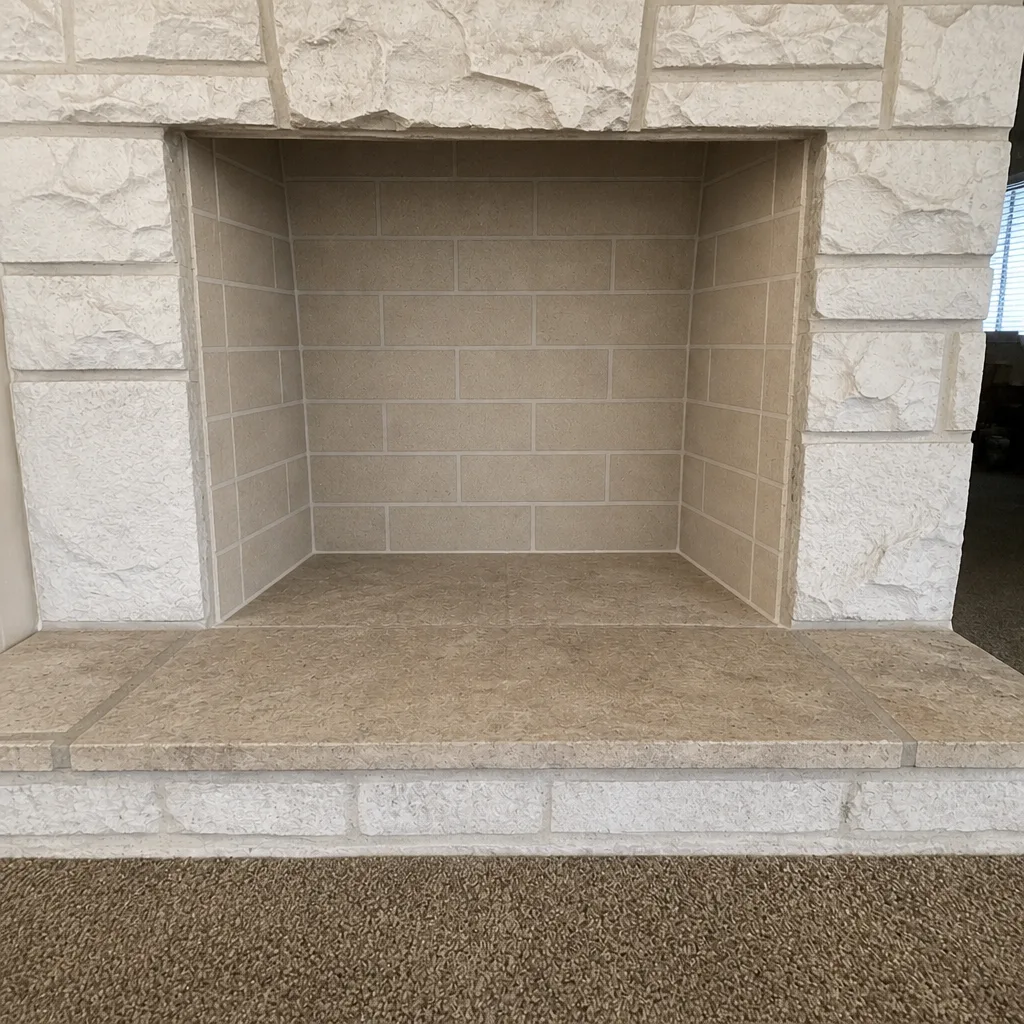
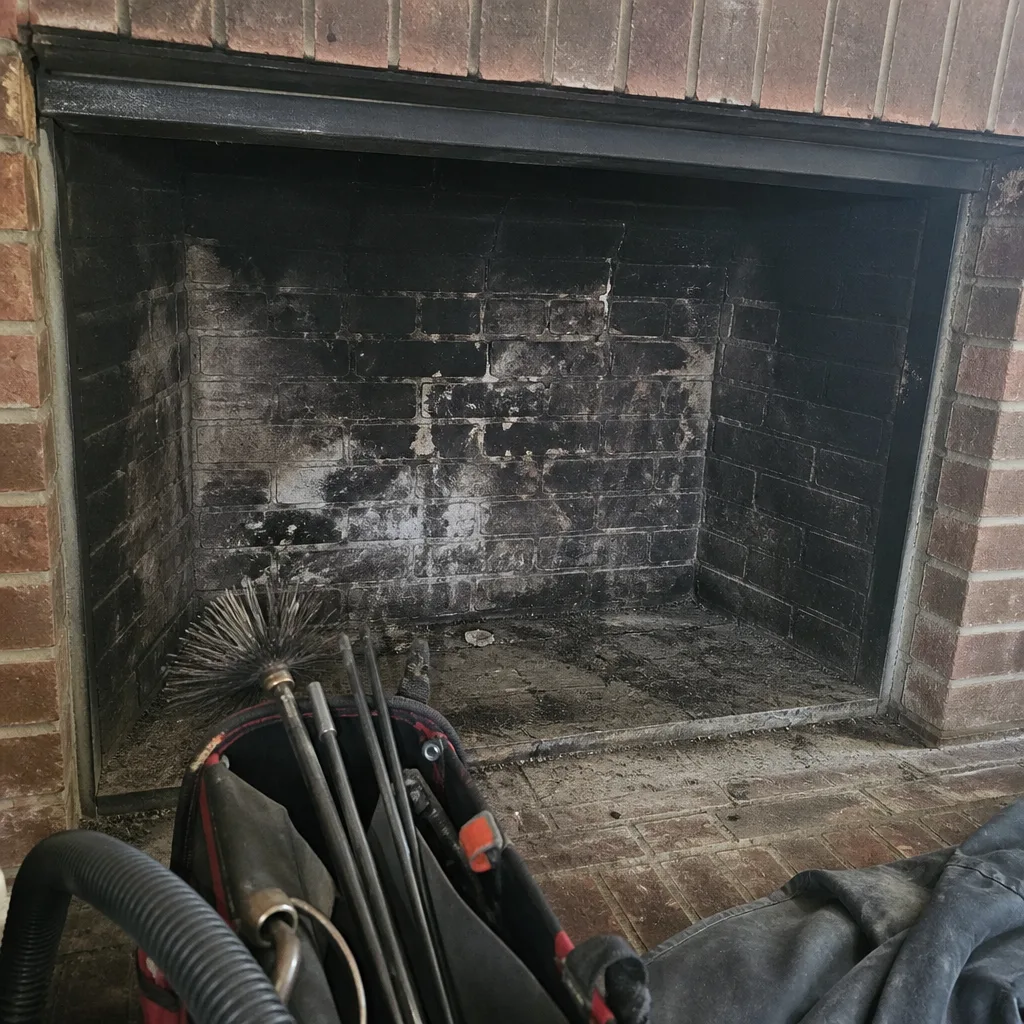
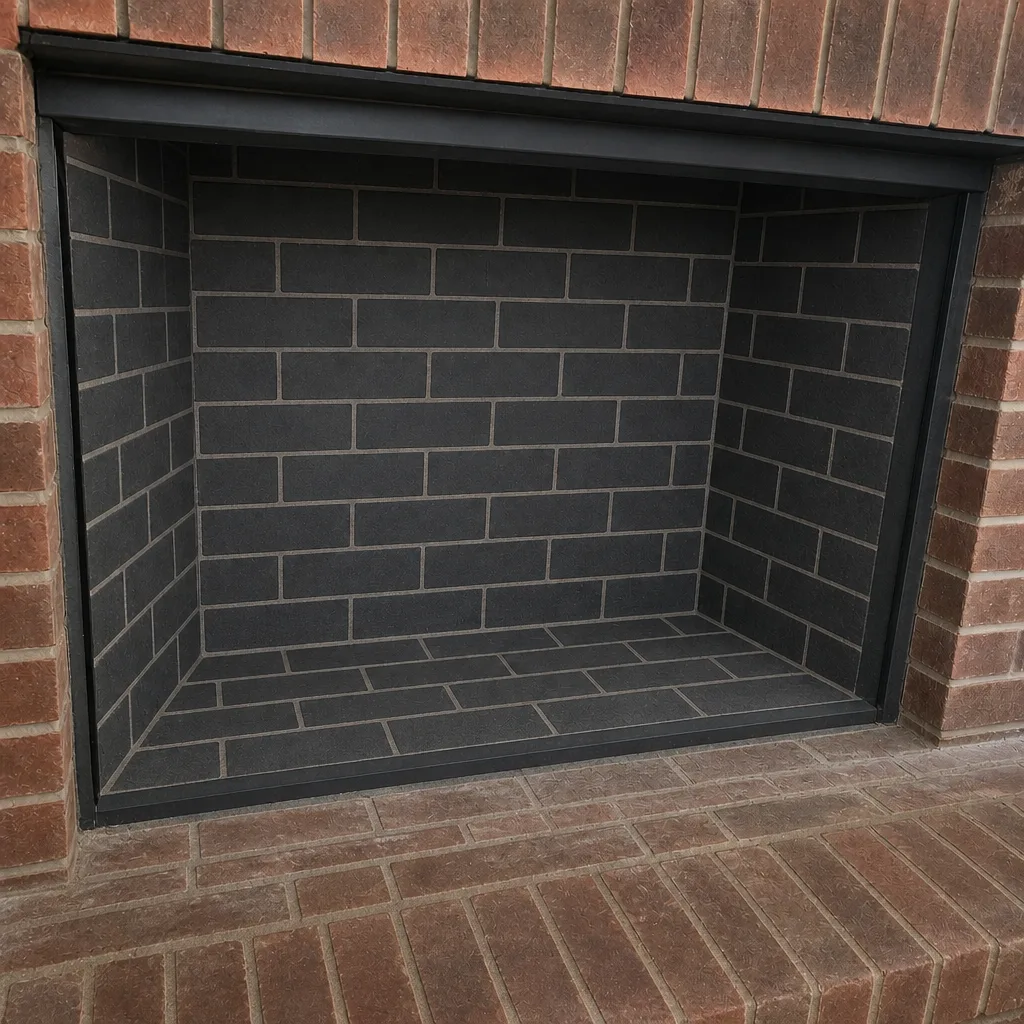
See the difference
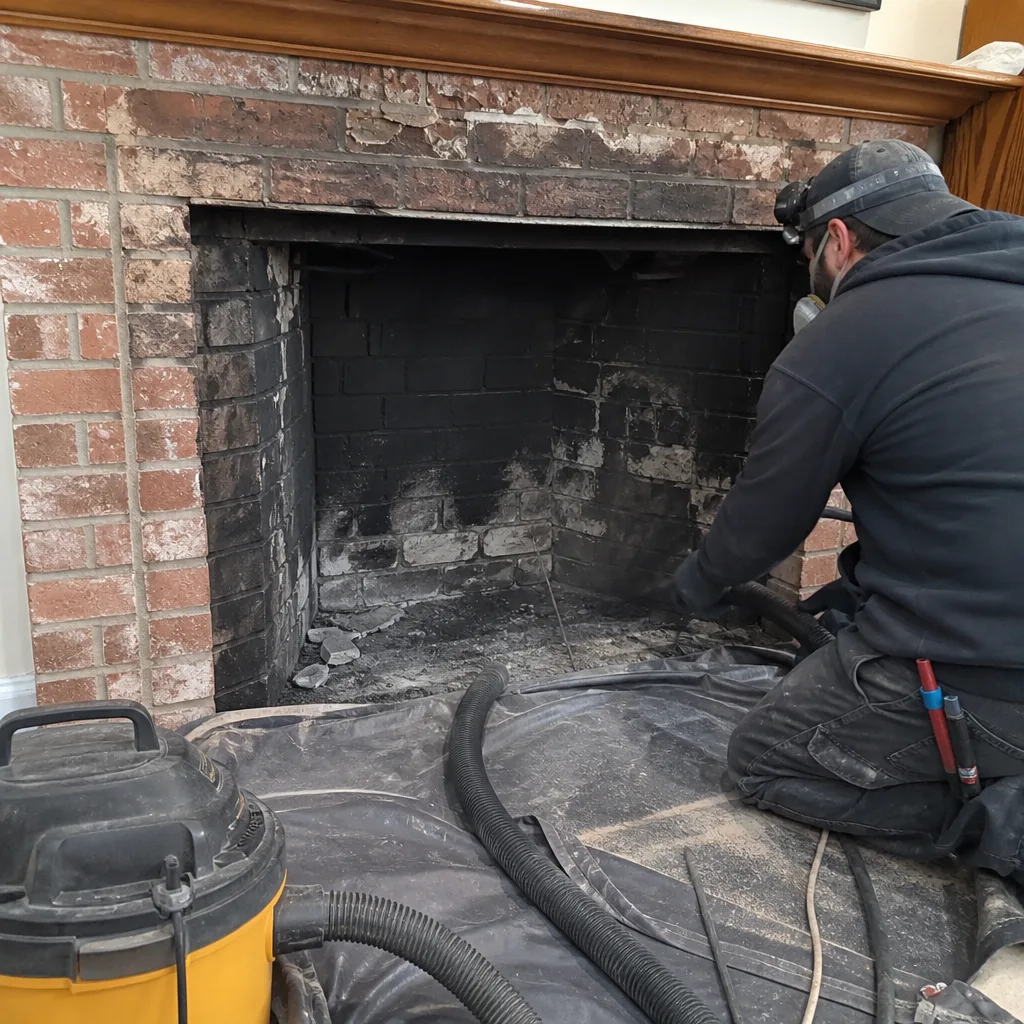 Before
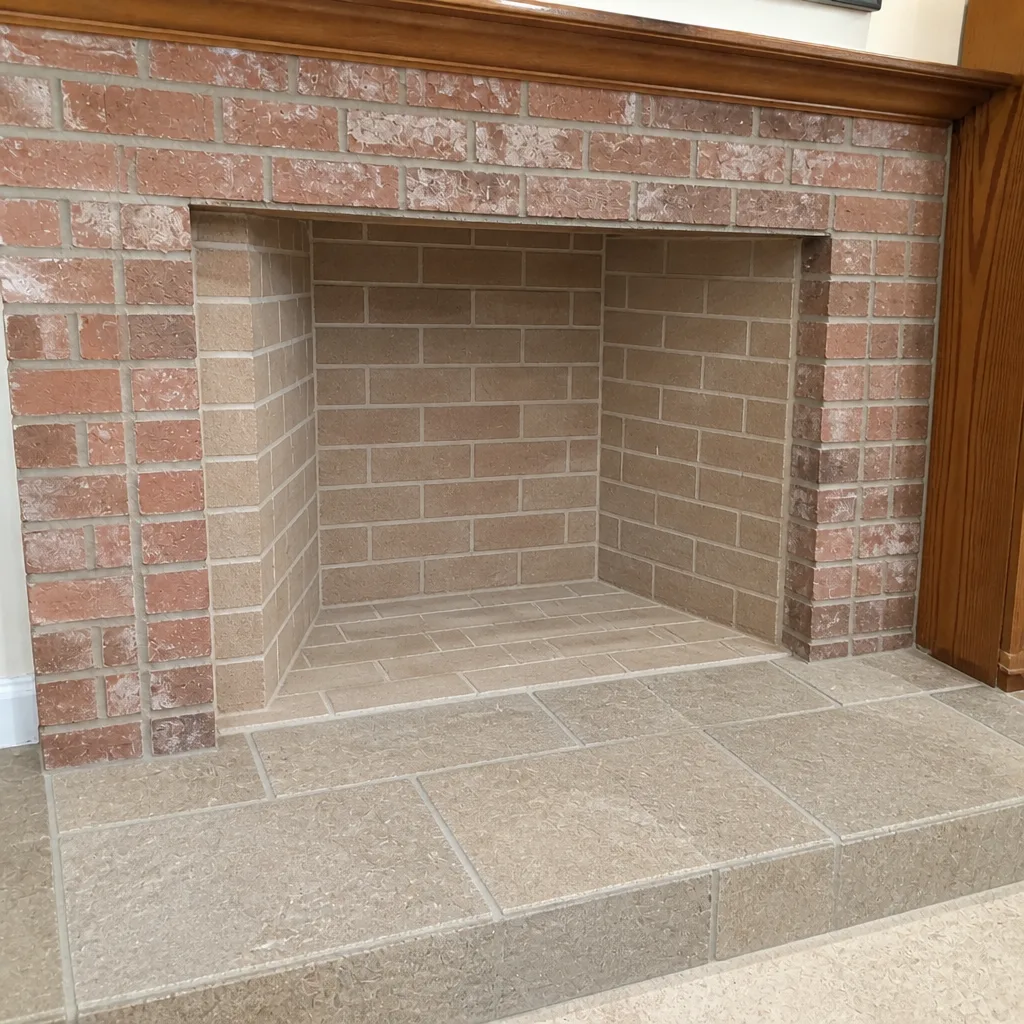 After
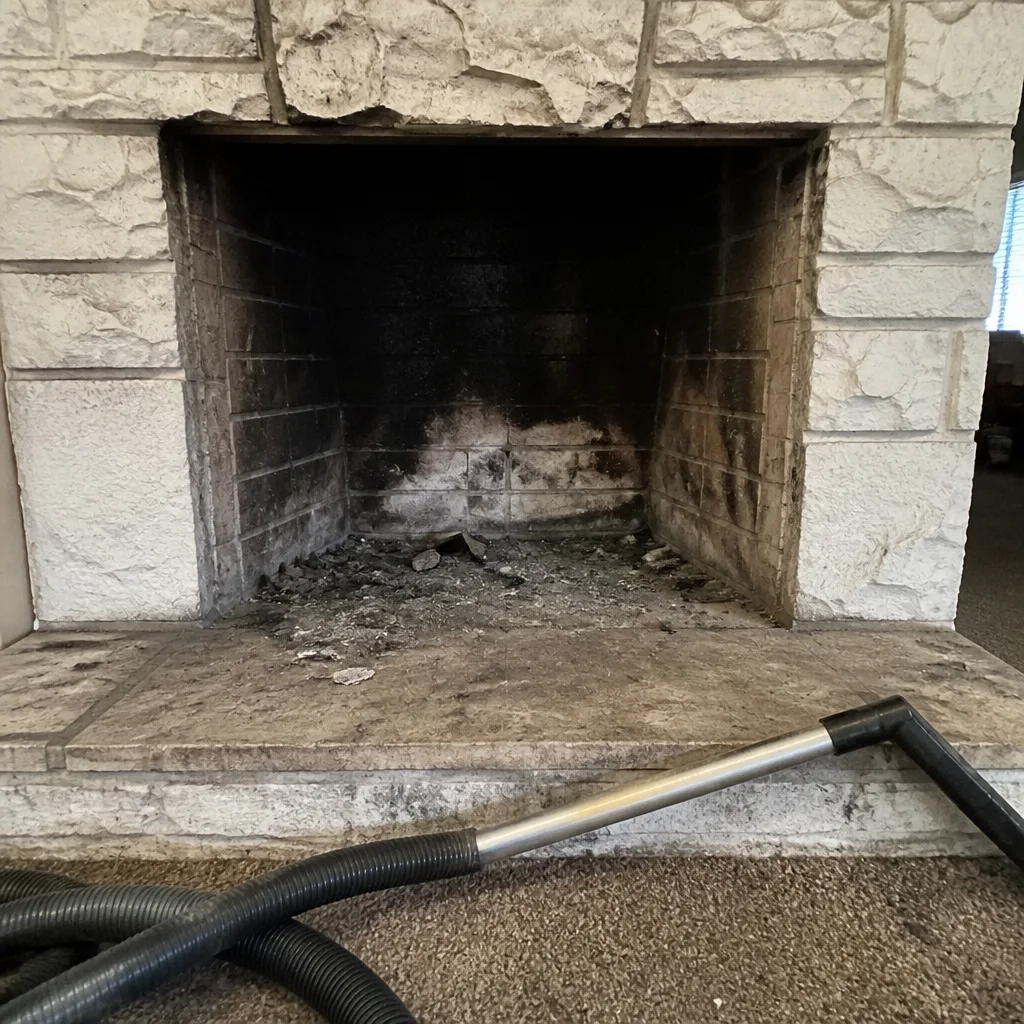 Before
 After
 Before
 After
When to Call a Professional
Call a professional when you’re scheduling your annual cleaning, and call sooner if you notice any warning signs: a strong smoky smell that lingers after a fire, visible creosote buildup on the damper or firebox walls, a damaged or missing chimney cap, cracked masonry on the exterior, or any sign of water intrusion around the chimney or ceiling. If your gas appliance venting shows soot or corrosion at the connection, stop using it and have it inspected. High-tension components aren’t the only risk in a chimney system. Gas lines and venting are genuinely dangerous, and they’re work for a trained professional, not a weekend project.
Chimney Sweep Commerce City offers free estimates in Commerce City – call (855) 617-2952. We answer 24/7. Fast dispatch from 7am to 7pm, Sunday through Friday. Our technicians have up to 15 years of experience, and the same team that inspects will repair and install. The local pro is licensed and insured as their state requires.
Frequently Asked Questions
A basic chimney sweep in Commerce City typically costs $150 to $300, and a combined sweep and Level 1 inspection usually falls in the $225 to $425 range. The written estimate sets the final price. Call (855) 617-2952 for an exact quote; estimates are free.
You need a new liner when the inspection shows gaps, cracks, or separated joints that let heat or gases reach combustible material. A liner that’s intact and properly sized doesn’t need replacing. Ask to see the camera footage before you agree to anything, and be wary of a recommendation that doesn’t come with evidence. Call (855) 617-2952 for an exact quote; estimates are free.
Most homes with a wood-burning fireplace need an annual sweep and inspection, and the inspection determines whether more frequent cleaning is needed. Heavy use through a cold Commerce City winter can push the cleaning interval shorter. The inspection report is what sets the schedule. Call (855) 617-2952 for an exact quote; estimates are free.
Creosote builds up in the flue, and heavy or glazed creosote is the fuel for a chimney fire. Water intrusion from a failed crown or cap also works its way into the structure over time, turning a small repair into a bigger one. Skipping the sweep doesn’t cause a problem immediately, it just removes the early warning. Call (855) 617-2952 for an exact quote; estimates are free.
Quotes vary because the scope varies. A discount sweep may cover brushing and a quick look, while a full-service cleaning includes firebox and smoke chamber work, a visual inspection, and a written report. Chimney height, roof access, and flue configuration also change the work required. Compare what’s included, not just the number. Call (855) 617-2952 for an exact quote; estimates are free.
You can brush the accessible parts of a lightly used flue, but you can’t inspect the liner condition without a camera, and that’s the part that matters most. Roof access, fall protection, and creosote handling make the job riskier than it looks. A proper inspection is what tells you whether the system is safe. Call (855) 617-2952 for an exact quote; estimates are free.
The Bottom Line
The spread in chimney cleaning quotes in Commerce City reflects scope, not luck. A basic sweep covers brushing and a visual look. A full-service cleaning covers the firebox and smoke chamber, folds in a proper inspection, and leaves you with a written report you can keep. The report is what turns a maintenance expense into a safety record. Look for itemized quotes, demand camera evidence for any repair recommendation, and don’t treat a cap or crown issue as cosmetic. Repair now when the finding is safety-related. Monitor when it’s surface-level, and be suspicious of anyone who can’t tell you the difference. The annual cost of cleaning is small next to the failure cost it prevents, and the inspection is the part that earns its keep.
If you’re in Commerce City and want a straight answer on what your chimney actually needs, call (855) 617-2952. We answer 24/7, with fast dispatch from 7am to 7pm, Sunday through Friday. Our team handles the full lifecycle, from the Chimney Sweep Commerce City service through chimney repair, fireplace repair, and cap and crown installation, using DuraFlex, HeatShield, Gelco, Olympia Chimney, Famco, and Copperfield materials. Free estimates, and you’ll see the evidence before you agree to any work.
Written by the team at Chimney Sweep Commerce City.