
Last updated November 23, 2026
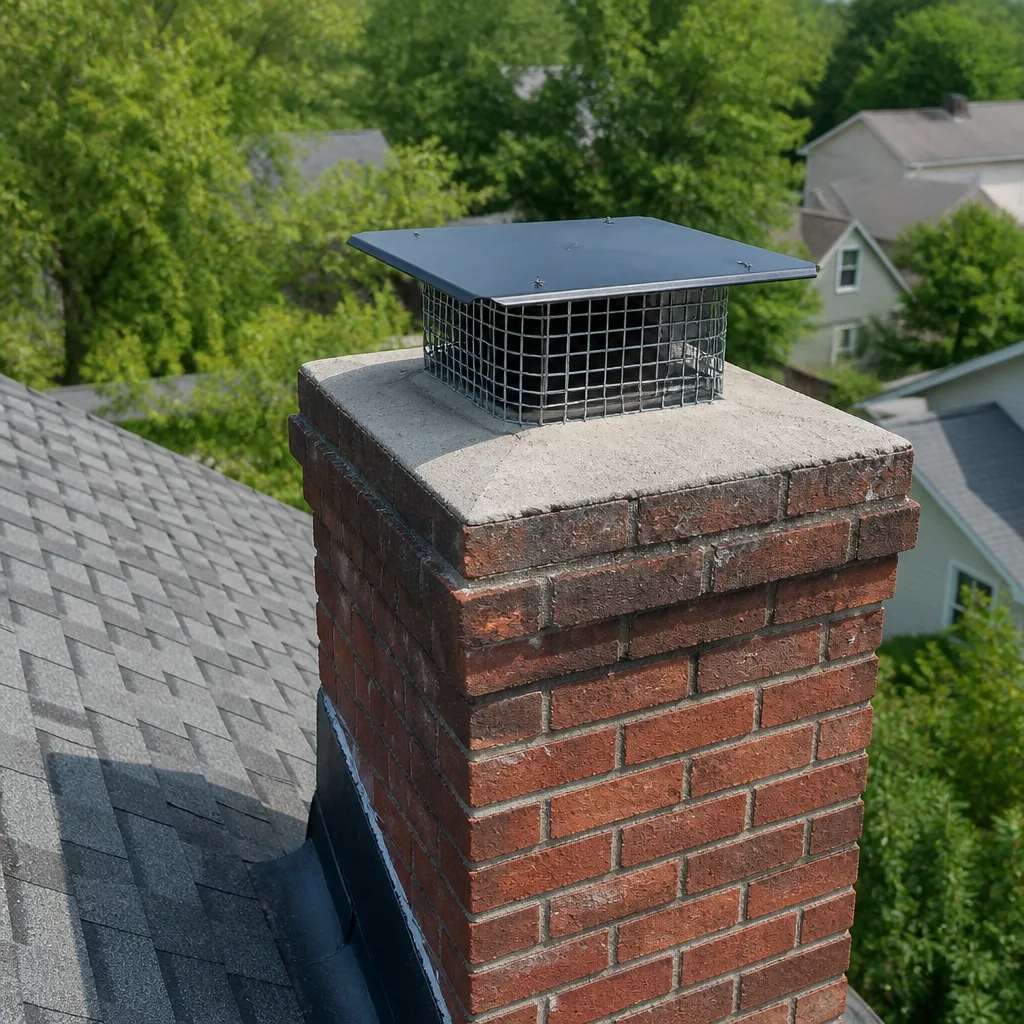 Sweep & inspection
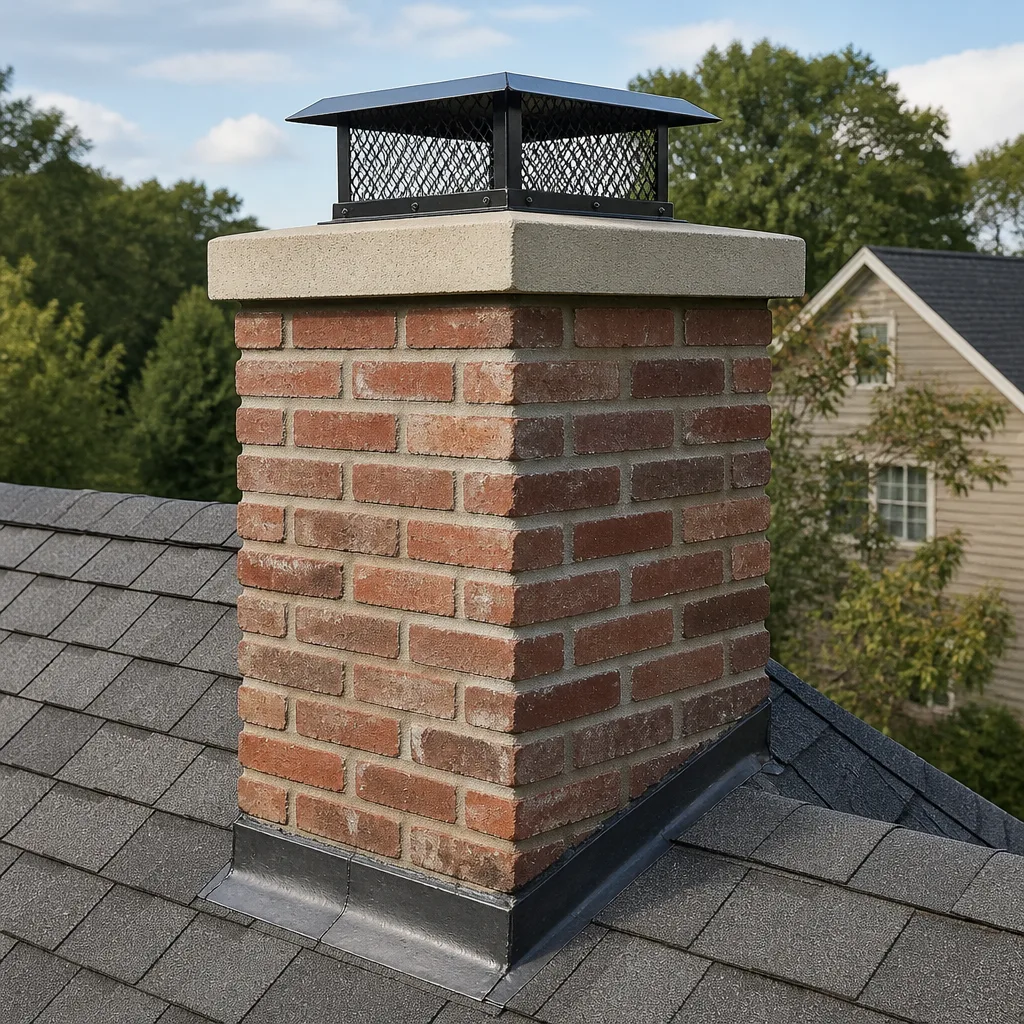 Caps & crowns
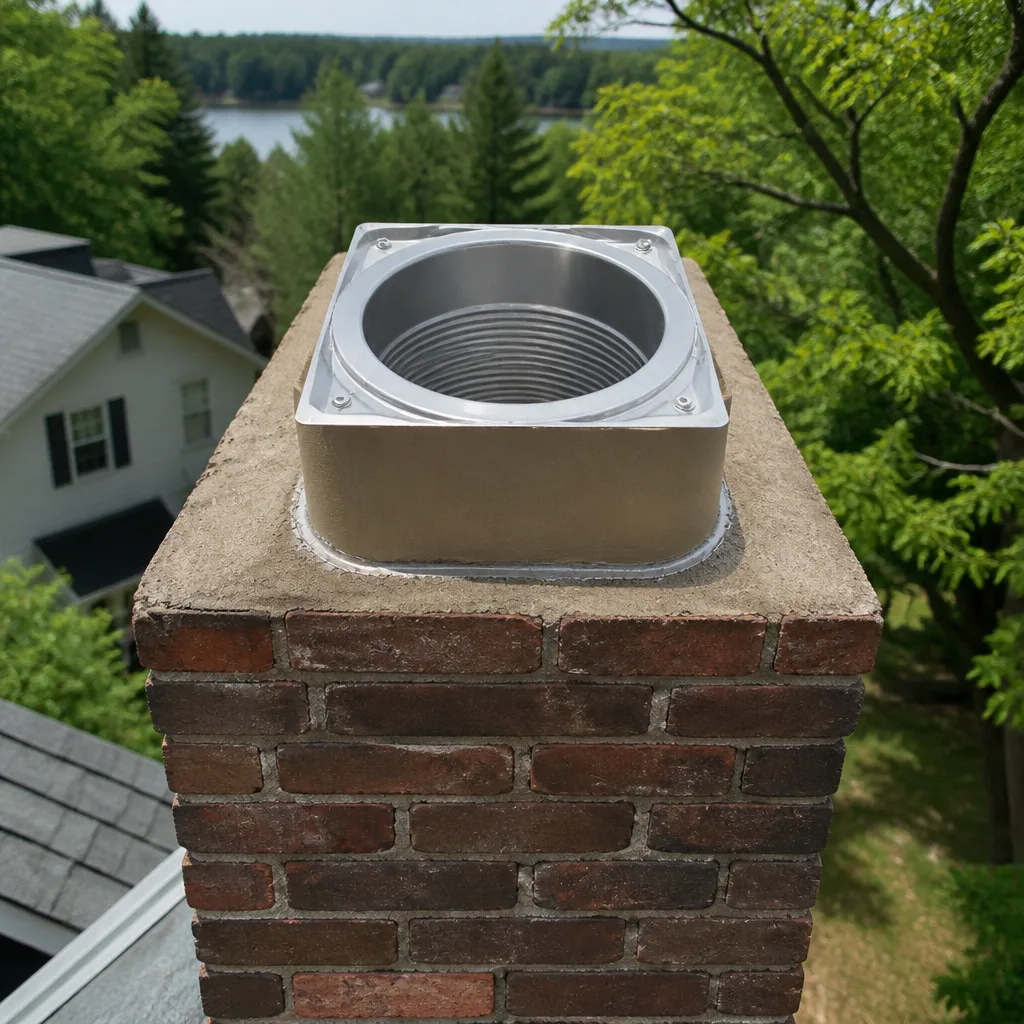 Flue relining
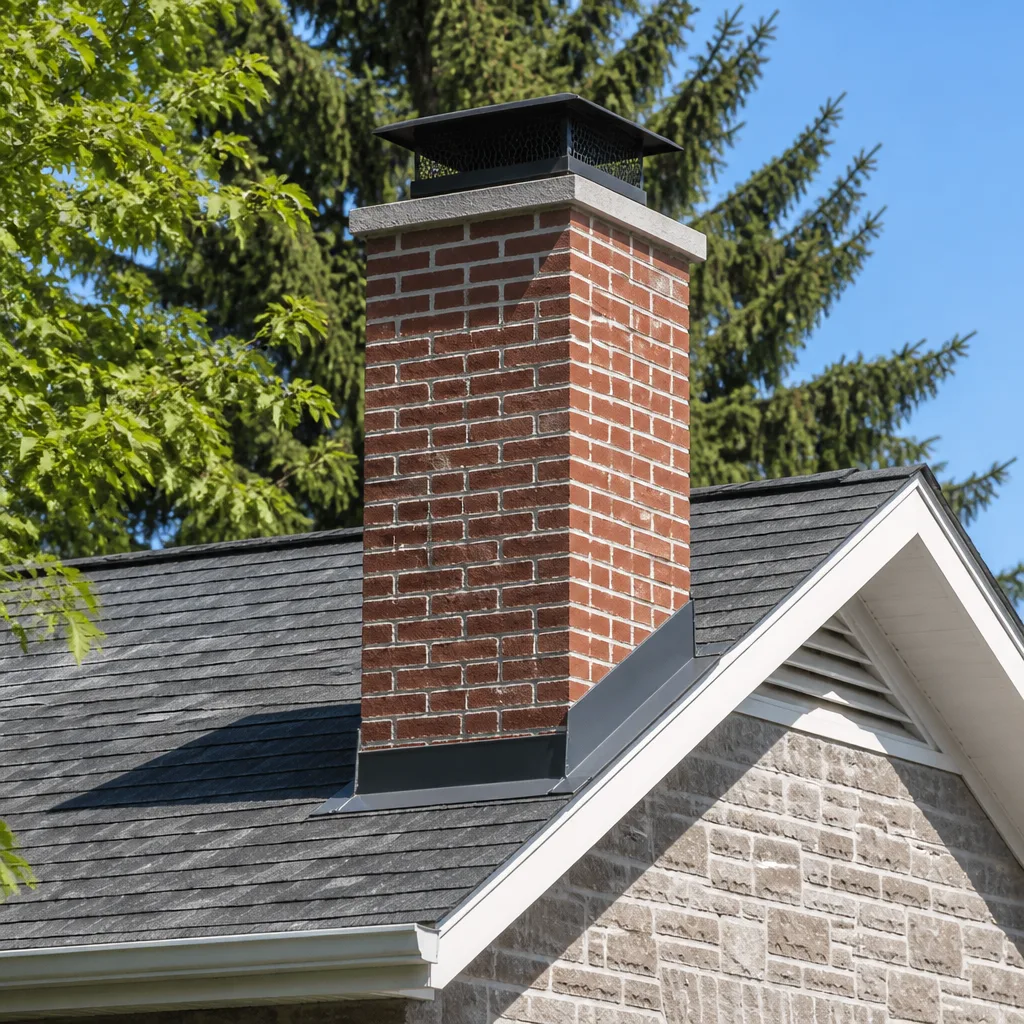 Masonry repair
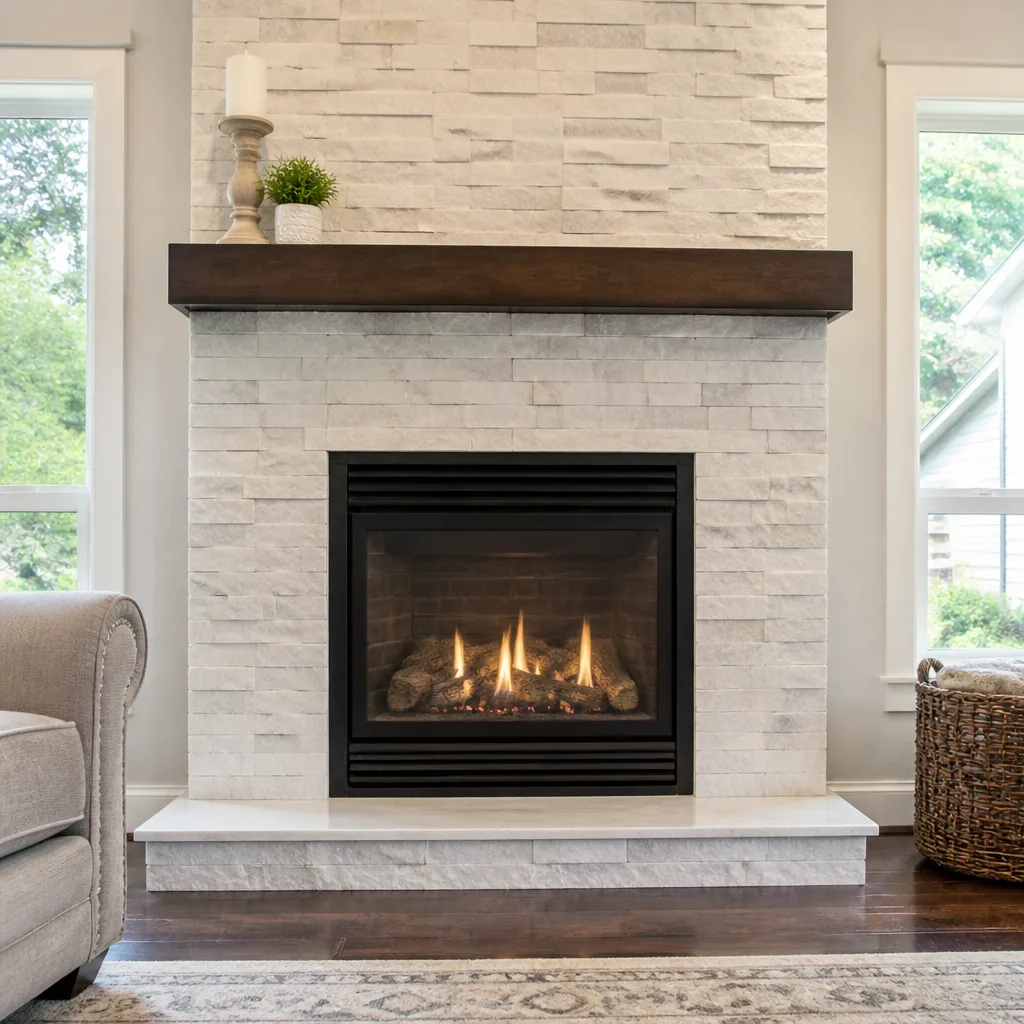 Gas fireplace service
Level 1 sweep and inspection to the NFPA 211 annual standard - flue, crown, cap, and flashing checked and photographed
Chimney sweep logs do not sweep chimneys. They loosen some creosote - which then falls where a brush and vacuum still have to collect it.
Chimney Cleaning Warning Signs: A Commerce City Homeowner’s Reference Guide
A smoky living room isn’t a draft problem until it is. The same symptom can mean a dirty flue, a failed damper, or a blocked liner, and treating the wrong cause wastes money while leaving the hazard exactly where it was. Most homeowners in Commerce City read fireplace behavior as either “normal” or “something’s wrong” with nothing in between, which is why problems get missed for seasons at a time. This guide decodes what each warning sign actually indicates about the specific problem causing it, separating the smells, stains, and smoke patterns that mean schedule a cleaning from the ones that mean stop using the fireplace tonight.
Quick Answer
The main warning signs that a chimney needs cleaning are a strong smoky or tar-like odor even when the fireplace is cold, glazed or shiny creosote on the firebox walls, smoke rolling into the room instead of up the flue, and white staining or cracked masonry on the exterior. Any of these means the flue is restricted, coated, or damaged and needs a professional inspection before the next fire. Stop using the fireplace immediately if you smell gas, see soot falling back into the firebox in volume, or notice smoke that won’t clear after several minutes.
Styles & brands we work with
- Sweep & inspection
- Caps & crowns
- Flue relining
- Masonry repair
- Gas fireplace service
Table of Contents
- The Smell Test: What Chimney Odors Actually Tell You
- Visible Signs Inside the Firebox
- Exterior Signs You Can Spot From the Ground
- Operational Signs During a Fire
- Stop Using It Now vs. Schedule a Cleaning This Season
- Why Commerce City Conditions Accelerate Buildup
- What a Proper Inspection Actually Covers
- When Warning Signs Point to Repair, Not Just Cleaning
The Smell Test: What Chimney Odors Actually Tell You
Your nose is the cheapest diagnostic tool you own, and it’s more accurate than most homeowners realize. Different chimney problems produce genuinely different smells, and learning to tell them apart is the difference between a routine chimney sweep and an emergency call. Here’s how we break it down.
Creosote odor
A sharp, smoky, almost campfire smell that lingers in the room long after the fire is out usually means creosote buildup on the flue walls. When the chimney is cold and the smell is strongest, that’s a sign the coating is thick enough to off-gas. Creosote in its early stages is flaky and easy to brush out. Once it glazes, it hardens into a shell that needs more than a standard sweep to remove.
Animal intrusion odor
A musty, urine-like, or distinctly “animal” smell from the firebox often means birds, squirrels, or raccoons have nested in the flue or on the smoke shelf. Commerce City’s open prairie edges and new development corridors push wildlife toward rooflines, and an uncapped chimney is an open door. This smell usually comes with scratching sounds or nesting debris falling into the firebox.
Moisture odor
A damp, earthy, or mildew smell means water is getting into the chimney system. That could be a failed crown, cracked flashing at the roofline, or a missing cap letting rain straight down the flue. Moisture and creosote together create acidic conditions that eat away at mortar and firebrick, so this smell should never be ignored.
Backdraft or combustion odor
A sharper, gassy, or “exhaust” smell that appears when the furnace or water heater runs is a backdrafting warning. Combustion gases meant to go up the flue are pushing back into the living space instead. This one is a safety issue, not a maintenance issue, and warrants stopping use and calling for an inspection.
Visible Signs Inside the Firebox
The firebox is where the earliest warning signs show up, and it’s the one place every homeowner can look without climbing anything. Open the doors, shine a flashlight up and around the firebrick, and check for these.
- Glazed, shiny, or tar-like creosote on the walls. This is stage-three creosote, and it’s the most combustible form. It looks like black glass or hardened tar rather than fluffy soot.
- Spalling firebrick. Firebrick that’s flaking, crumbling, or has pieces breaking off is losing structural integrity. That’s often a moisture or heat-stress problem, not a cleaning problem.
- Mortar dust or grit on the firebox floor. Fresh mortar dust that reappears after you sweep it out means joints are failing somewhere above, and the chimney is shedding material into the firebox.
- Soot streaks or “tiger stripes” on the firebox walls. These indicate the fire isn’t drawing evenly, sometimes from a partial blockage or an improperly sized flue.
- Rust or corrosion on the damper or firebox hardware. A sign of chronic moisture, usually from a missing cap or failed crown above.
If the creosote looks glossy rather than dusty, that alone is a reason to stop burning until we’ve looked at it. Glazed creosote is the fuel that turns a routine chimney fire into a serious one.
Exterior Signs You Can Spot From the Ground
You don’t need to get on the roof to catch most structural warning signs. A pair of binoculars and a slow walk around the house will tell you a lot about the health of the chimney above.
White efflorescence on the chimney
A chalky white stain on the exterior brick is efflorescence, and it’s the fingerprint of moisture moving through the masonry. Water gets in, dissolves salts from the brick, and pushes them back out as it dries. Left alone, that cycle destroys the brick from the inside. In Commerce City, where summer hail and freeze-thaw cycles in fall and spring stress masonry hard, efflorescence is one of the most common things we see on older homes.
Cracked or crumbling crown
The crown is the concrete cap at the very top of the chimney, and its whole job is to shed water away from the flue. When it cracks or pulls away from the flue tile, water gets straight in. A cracked crown is one of the most repair-worthy exterior signs because it’s cheap to address early and expensive to ignore.
Damaged flashing at the roofline
Flashing is the metal seal where the chimney meets the roof. Rusted, lifted, or tar-patched flashing lets water run down the chimney chase and into the attic or ceiling. From the ground, look for gaps, rust staining on the roof deck below, or dark streaks running down the chimney’s sides.
Missing or damaged cap
A chimney cap keeps rain, snow, birds, and squirrels out of the flue. If it’s bent, rusted through, or gone entirely, everything above finds its way in. A properly fitted cap from a brand like Olympia Chimney or Copperfield protects the whole system, and it’s often the single cheapest fix a homeowner makes.
Operational Signs During a Fire
How the fireplace behaves while it’s burning tells you as much as how it looks when it’s cold. These are the signs to watch for while a fire is going.
- Sluggish draft. The fire lights slowly, smolders, or struggles to establish. Physically, this means the flue is restricted (creosote, debris, or a collapsed liner) or too short for the firebox size. The smoke has nowhere to go.
- Smoke rollout into the room. This is the classic sign homeowners misread as “the house is too tight.” It usually means a blocked or undersized flue, a failed damper, or negative pressure from another appliance pulling air down the chimney. Each cause has a different fix, which is why guessing wastes money.
- Excessive spark output. Sparks shooting from the top of the chimney usually mean creosote is burning off the flue walls, which is a chimney fire starting. It can also indicate a missing spark arrestor screen on the cap.
- Smoke hanging in the firebox after several minutes. Some smoke at startup is normal. Smoke that keeps hanging after five minutes means the flue isn’t drawing properly and shouldn’t be ignored.
- Excessive smoke visible from outside. Thick, dark smoke rolling from the top of the chimney for more than a few minutes at fire-up is a sign the flue is choked.
If you see any of these while a fire is burning, let the fire die down under supervision. If smoke keeps rolling into the room, put the fire out, open a window, and call us before you light another one.
Stop Using It Now vs. Schedule a Cleaning This Season
Not all warning signs are equally urgent. Sorting them into “stop now” and “book a cleaning” is the practical skill that keeps your family safe without canceling a whole heating season for a minor issue.
Stop using the fireplace immediately if:
- You smell gas when the fireplace or gas appliance is running.
- Smoke rolls into the room and won’t clear after five minutes of a fire going.
- You can see soot or debris falling back into the firebox in volume.
- You notice symptoms like headaches or dizziness that clear when you leave the house and return when you come back (a possible carbon monoxide concern).
- You hear loud popping, rumbling, or roaring from the flue during a fire (a chimney fire in progress).
- The chimney has visible damage – a partial collapse, a large crack through the flue tiles, or flashing that’s fully detached.
Schedule a cleaning when:
- You smell creosote when the fireplace is cold but have no other symptoms.
- You see soot streaks on the firebox walls after a season of fires.
- You’ve burned more than a cord of wood since the last sweep.
- You notice the chimney cap is rusted or missing.
- You see white efflorescence on the exterior brick.
- You’re buying a home in Commerce City and want the chimney checked before closing.
The rule we give homeowners: if in doubt, stop burning until we’ve inspected. A short delay is cheap. A chimney fire is not.
Why Commerce City Conditions Accelerate Buildup
Chimney problems aren’t evenly distributed by geography. Commerce City sits on the high plains east of Denver, and the specific conditions here shape what we find in flues.
High-altitude combustion
At Commerce City’s elevation, wood burns differently than at sea level. Fires tend to be less efficient, and cooler flue temperatures mean creosote condenses on flue walls faster than it does in lower-elevation climates. That’s part of why our recommended cleaning cadence leans toward the annual end of the spectrum for anyone burning regularly.
Dry, windy winters
Commerce City’s winters are cold and windy, but humidity is generally low. That sounds good for masonry until you factor in the freeze-thaw cycles – snow or rain gets into a hairline crack on a mild afternoon, freezes overnight, and widens the crack. Small exterior defects get bigger here faster than they do in wetter, steadier climates.
Prairie dust and hail
Dust from the open plains and the frequency of spring and summer hail both stress the crown, cap, and flashing. Hail in particular pocks and cracks concrete crowns that have already started to fail. If your neighbor’s roof got hail damage, it’s worth having your chimney crown checked too.
Newer construction and tighter homes
Many Commerce City neighborhoods have homes built to tight modern air-sealing standards. Tighter homes are more sensitive to negative pressure, which is why backdrafting and sluggish draft show up here even in chimneys that are clean and otherwise healthy. Sometimes the fix is a proper outside air supply, not a cleaning.
What a Proper Inspection Actually Covers
A proper inspection goes well beyond a glance up the flue. Here’s what we actually check when we come out to a Commerce City home, and what you should expect from any inspection you pay for.
- Firebox and hearth. We look at the firebrick, mortar joints, and damper for cracks, spalling, and rust.
- Smoke chamber. This is the transition zone above the damper. Creosote often accumulates here in a way you can’t see from the firebox.
- Flue interior. We check the flue tiles or liner for cracks, gaps, and heavy glazed creosote. This is where a chimney fire usually starts and where carbon monoxide can leak into the house if the flue is compromised.
- Chimney exterior. Crown, cap, flashing, and masonry condition, checked from the roofline.
- Attic and roofline penetrations. We check for water staining or signs of rust on the chase, which tell you the chimney is leaking somewhere above.
- Appliance connections. For gas appliances, wood stoves, or inserts, we verify the connector and venting meet code.
We identify the problem before we quote the fix, and that starts with a proper inspection. If you want the sweep and inspection done in one visit, that’s exactly what our Chimney Sweep Commerce City service is built for.
When Warning Signs Point to Repair, Not Just Cleaning
Some warning signs are maintenance. Others are structural. The distinction matters, because a cleaning won’t fix a cracked flue tile or a failed crown, and a repair that doesn’t address the underlying damage is wasted money.
Here’s how we sort the two:
- Cleaning territory: visible soot, flaky creosote, mild smell, occasional spark output, and a fire that draws reasonably well.
- Repair territory: glazed creosote on tile seams, cracked or missing flue tiles, spalling firebrick, a crumbling crown, damaged flashing, or a flue that’s too small for the fireplace.
For damaged flue tiles, we use HeatShield cerfractory resurfacing when the tile is intact enough that a full liner isn’t needed. That restores deteriorated flue interiors without tearing the system apart. When the flue is compromised beyond resurfacing, a DuraFlex liner system is the standard we install – it’s the same product line certified chimney professionals specify nationwide. For chimney repair above the roofline, we work with Famco and Copperfield components for caps, dampers, and crowns.
The point of decoding warning signs is to get the right fix, not the biggest one. A chimney that only needs a sweep should get a sweep. A chimney that needs a liner should get a liner. The inspection tells us which, and we tell you clearly.
Common Mistakes to Avoid
- Treating smoke rollout as a draft problem. Most homeowners assume a cold flue. It’s usually a partial blockage or a damper that’s failing. Guessing wastes a season of fires and leaves the hazard in place.
- Burning through a seasonal creosote smell. A cold-fireplace smell that gets stronger over the season means buildup. Waiting until spring to address it means a full heating season of fires running on an increasingly coated flue.
- Assuming a newer Commerce City home has a clean chimney. Construction debris, birds, and even plastic sheeting from the build can end up in the flue. Newer homes get inspected too, especially in new build neighborhoods.
- Hiring a sweep that doesn’t inspect. A sweep who brushes the flue and leaves without checking the crown, cap, flashing, and firebox hasn’t actually looked at the system. Ask what the inspection covers before booking.
- Ignoring exterior efflorescence. The white chalky stain is easy to dismiss as harmless. It’s a moisture problem that’s actively damaging masonry from the inside.
- Using hardware-store caps and dampers. Big-box caps and dampers fail faster and fit worse. Professional-grade parts from brands like Olympia Chimney and Famco exist for a reason.
- Skipping the inspection after a chimney fire. Even a small fire can crack flue tiles. The chimney needs a professional look before the next fire, not a guess that it seems okay now.
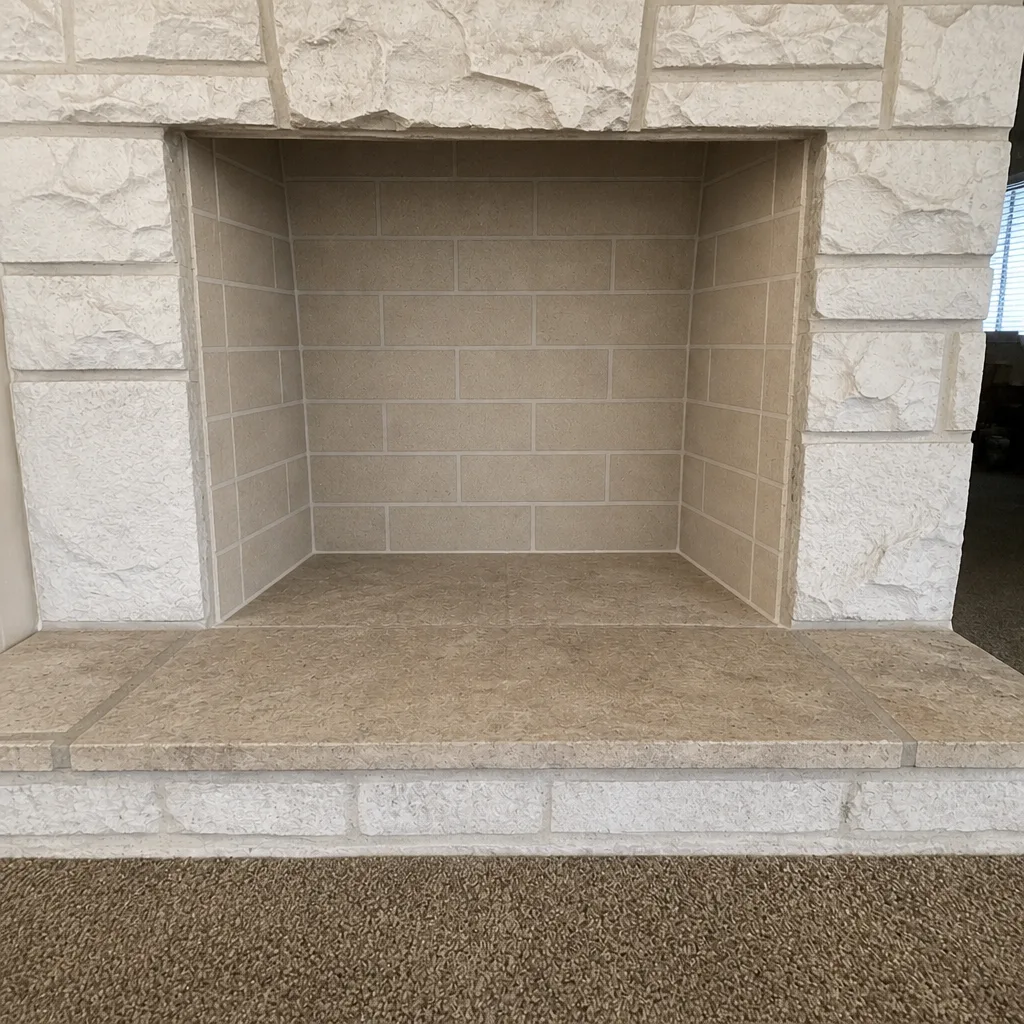
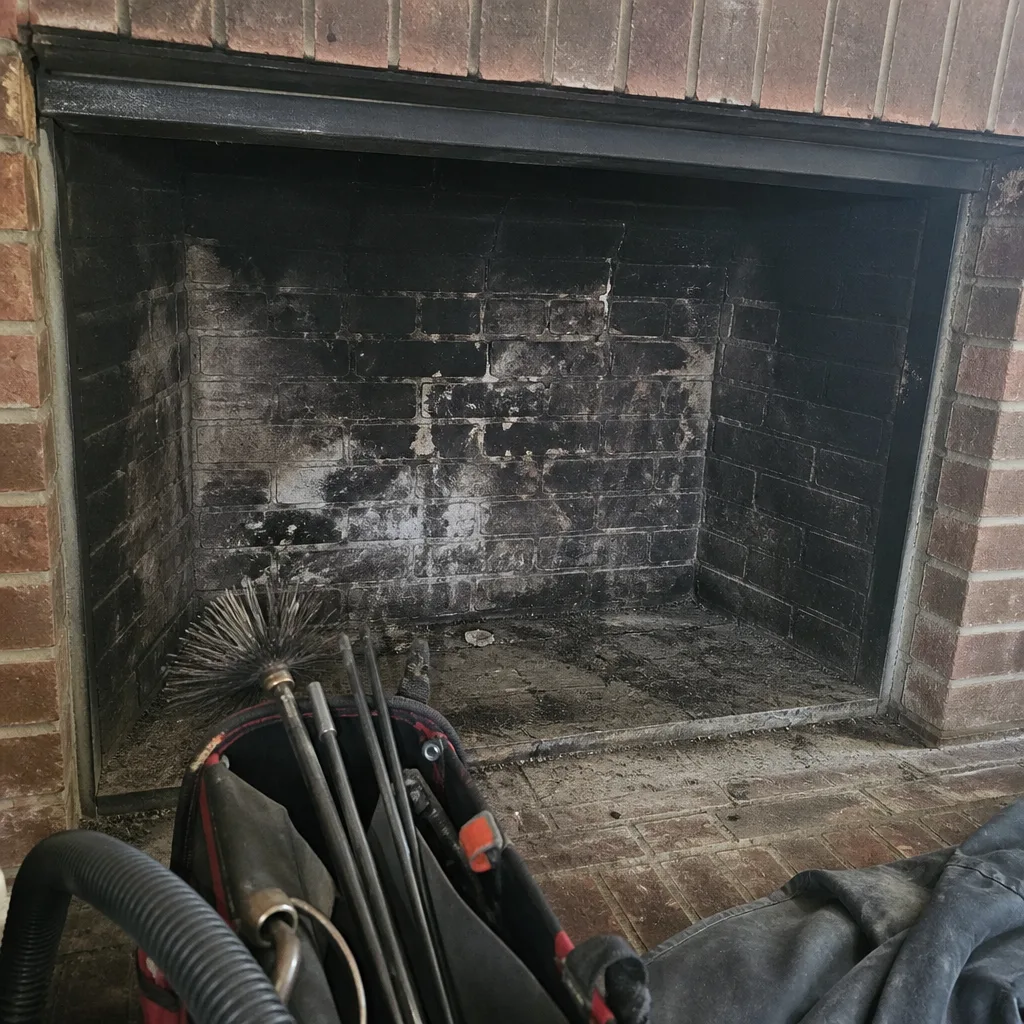
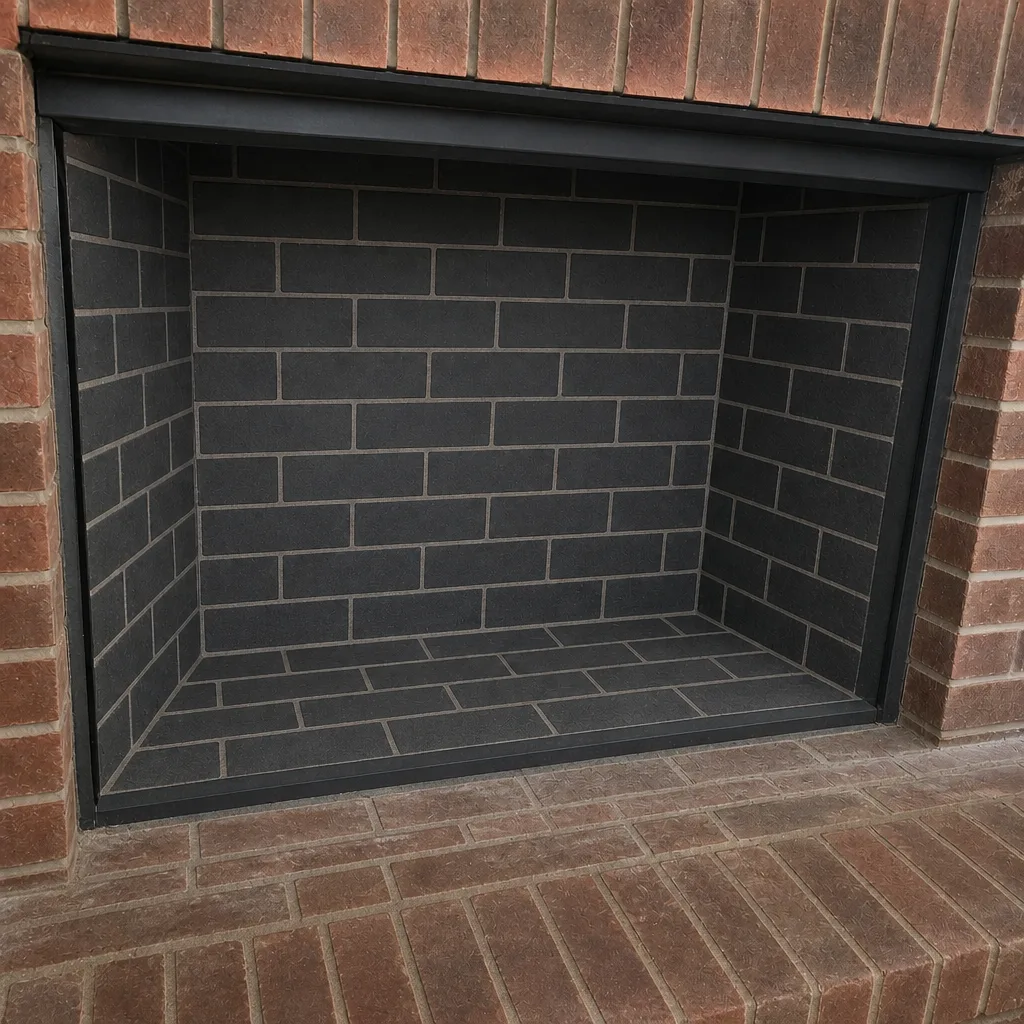
See the difference
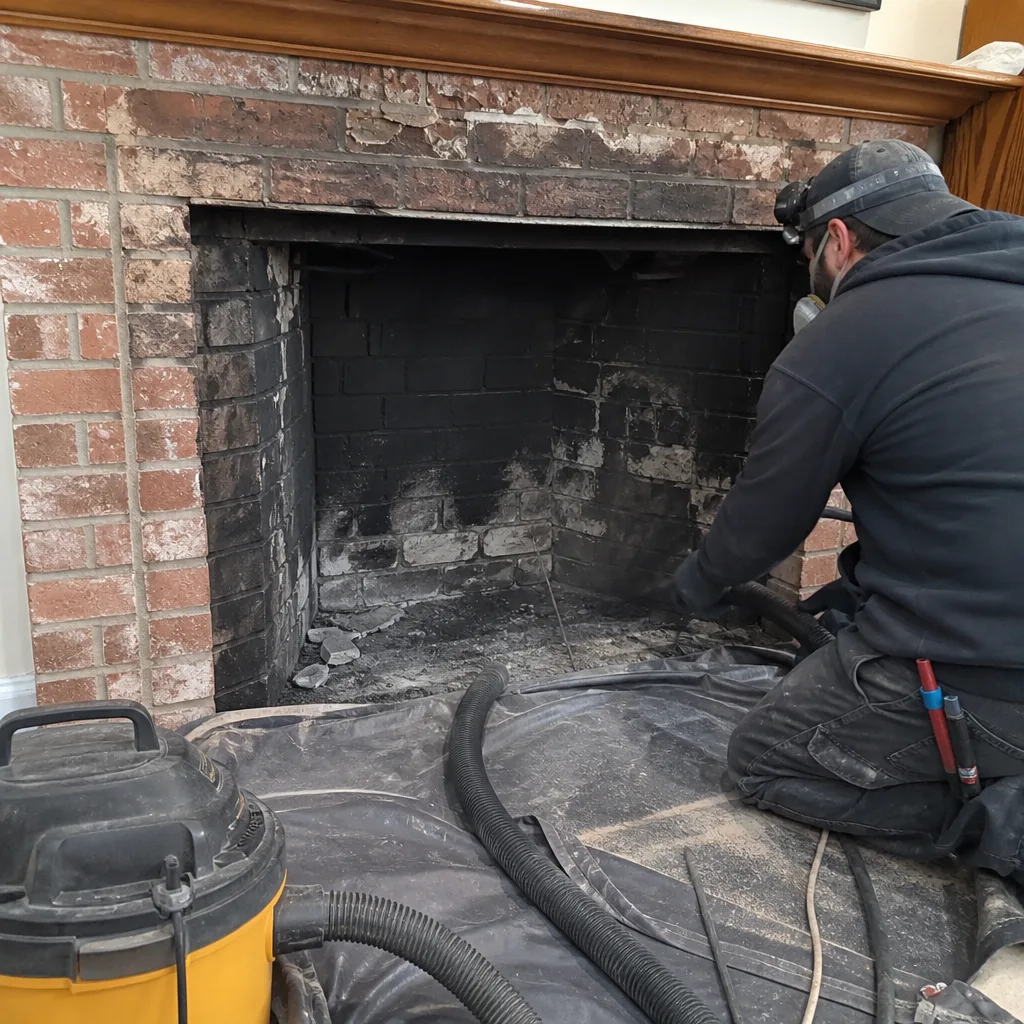 Before
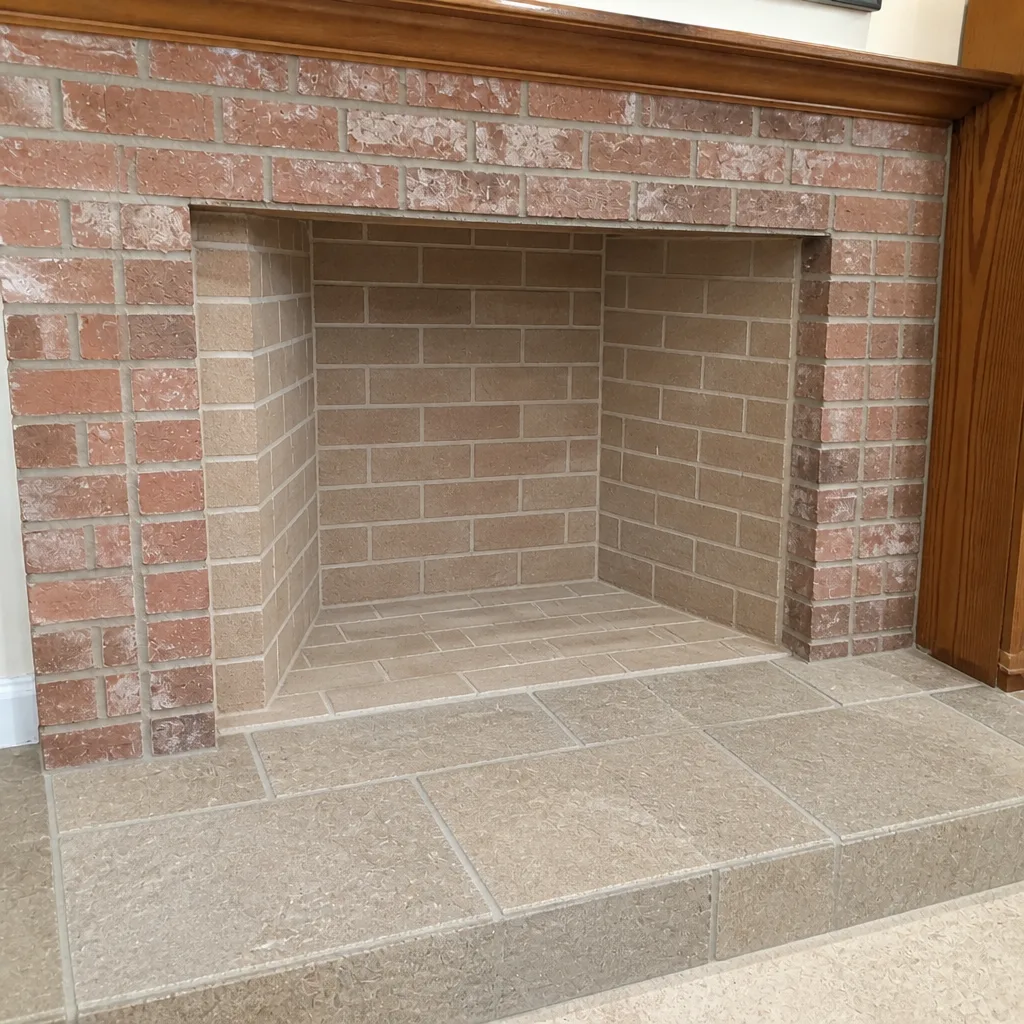 After
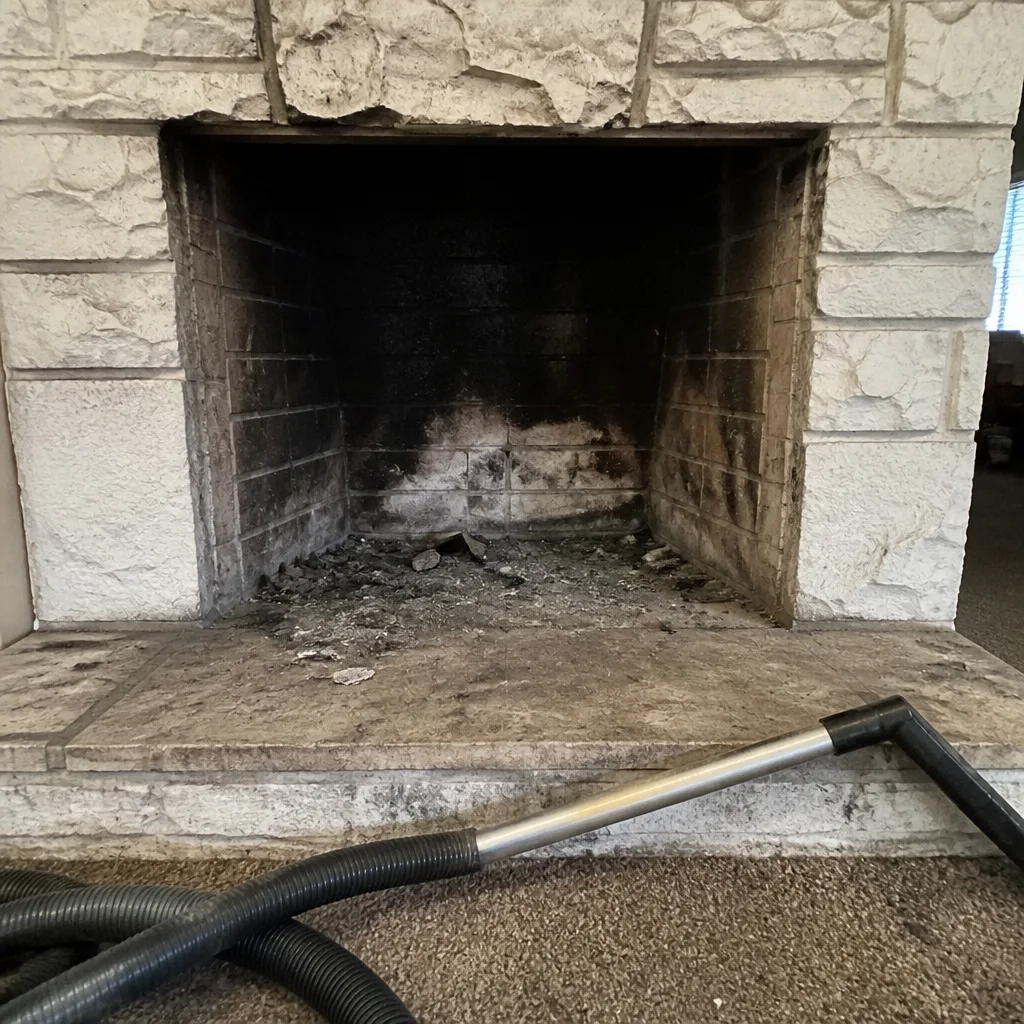 Before
 After
 Before
 After
When to Call a Professional
Call us before your next fire when you notice any of the following: a smoky smell that lingers when the fireplace is cold, glazed creosote visible on firebox walls, smoke rolling into the room during fires, white staining or cracks on the chimney’s exterior, or a cap that’s missing, bent, or rusted. Call immediately if you smell gas, if smoke won’t clear, if you hear roaring or popping from the flue, or if you notice symptoms that improve when you leave the house and return when you come back. Don’t guess at the cause of a symptom. Chimney Sweep Commerce City offers free estimates in Commerce City. Call (855) 617-2952. We answer 24/7. Fast dispatch from 7am to 7pm, Sunday through Friday.
Frequently Asked Questions
Once a year for most homes, or after roughly a cord of wood has been burned. Commerce City’s cool, dry winters and high-altitude combustion tend to build creosote faster than warmer, lower climates, so annual sweeps are the safe default for anyone burning regularly. Homes burning only occasionally can typically stretch to a professional inspection each year and a sweep when buildup is confirmed. Call (855) 617-2952 for an exact quote – estimates are free.
Glazed creosote is stage-three creosote, the hardest, shiniest, most combustible form of buildup on a flue wall. It’s the fuel that turns a routine chimney fire into a serious one, and a standard sweep usually can’t remove it. It needs a professional-grade removal method, not a homeowner brush. If you see black glassy coating inside the firebox, stop burning and call (855) 617-2952 for an inspection – estimates are free.
We don’t, because the cleaning tells you half the story. A proper inspection checks the crown, cap, flashing, firebrick, smoke chamber, and flue tiles in addition to the brush work, so we can tell you whether the system is safe to use and whether there’s any repair to plan for. If you hear of a sweep who cleans without inspecting, that’s not a full service. Call (855) 617-2952 to book a sweep plus inspection.
A cold-fireplace smell usually means one of three things: creosote off-gassing, moisture getting into the chimney and reacting with soot, or a small animal that’s found its way in. Each has a different fix. A strong, musty smell points to moisture. A sharp, smoky smell points to creosote. A urine-like or animal smell points to wildlife. Call (855) 617-2952 for an exact quote – estimates are free.
It depends on how much of the flue tile is intact. When the tile is cracked or deteriorated but structurally sound enough for resurfacing, HeatShield cerfractory restores the interior without full liner replacement. When the flue is collapsed, heavily damaged, or too small for the appliance, a DuraFlex liner is the safer route. Our inspection determines which is appropriate, and nothing is recommended without evidence you can see in the report. Call (855) 617-2952 to book the inspection.
The clearest signs are cracked or crumbling crowns, white efflorescence on exterior brick, damaged flashing, spalling firebrick, or cracked flue tiles visible during inspection. A cold-fireplace smell combined with any of these usually means water intrusion, which needs repair, not just cleaning. We look at the whole system before recommending work, so you’re not paying for a liner when a crown repair solves it. Call (855) 617-2952 for a free estimate.
The Bottom Line
Warning signs of a dirty chimney aren’t subtle, but they’re routinely misread as normal fireplace behavior. The smell, the soot, the smoke rollout, the stains on the exterior brick – each points to a specific cause, and getting the cause right is what separates a simple sweep from an unnecessary repair. Commerce City’s high-altitude, dry winters and hail cycles stress chimneys faster than lower-elevation climates, so annual inspections matter more here, not less. When in doubt: stop burning, book an inspection, see the evidence. One call to the same team that inspects, repairs, and installs keeps the whole system accountable from the firebox to the crown.
Call (855) 617-2952 for a free estimate. We answer 24/7. Fast dispatch from 7am to 7pm, Sunday through Friday.
Written by the team at Chimney Sweep Commerce City.