
Last updated November 23, 2026
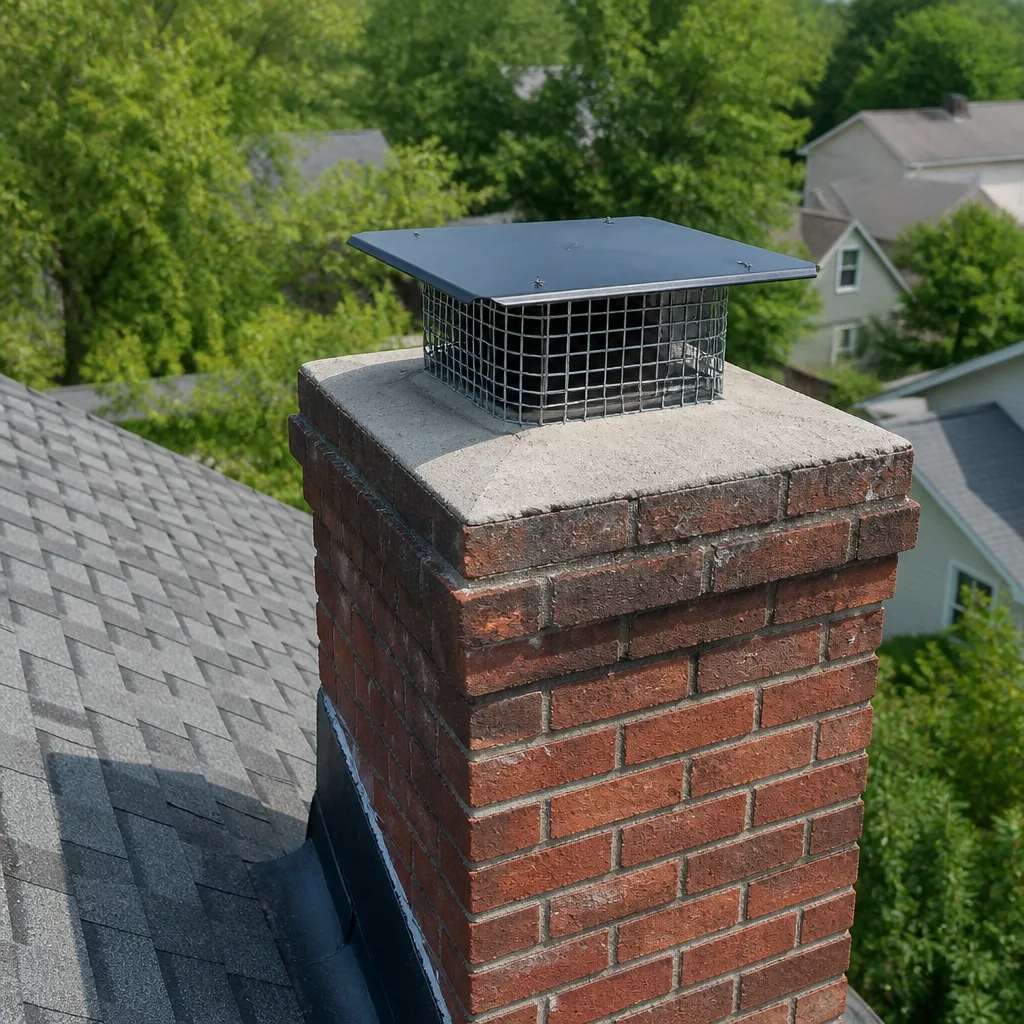 Sweep & inspection
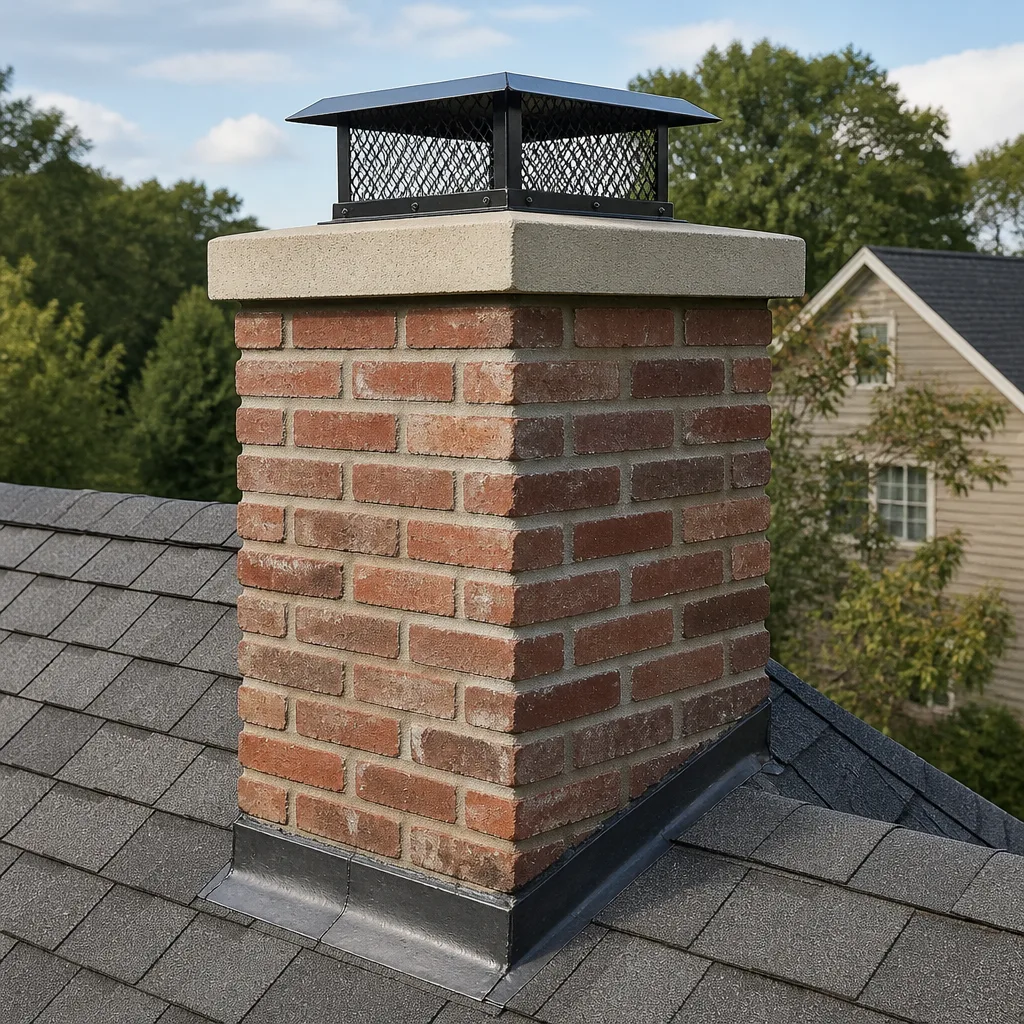 Caps & crowns
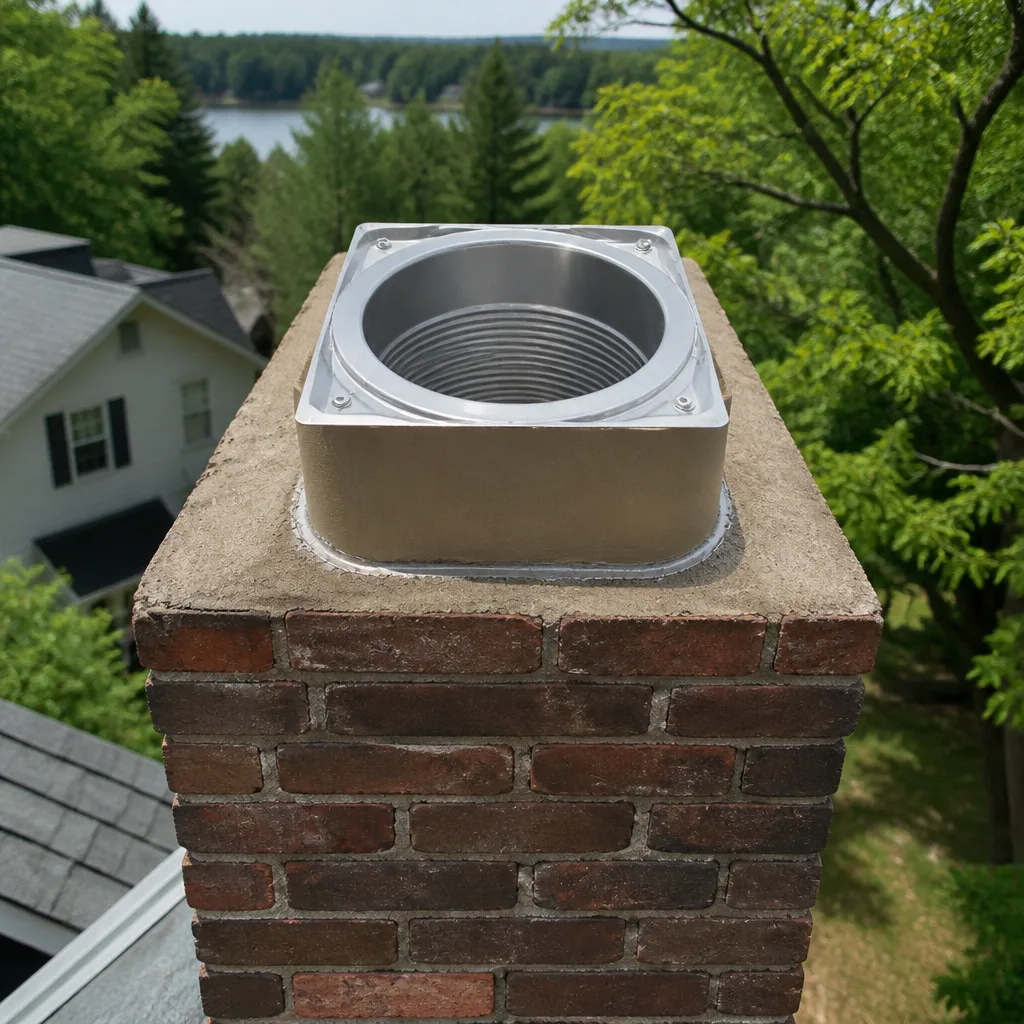 Flue relining
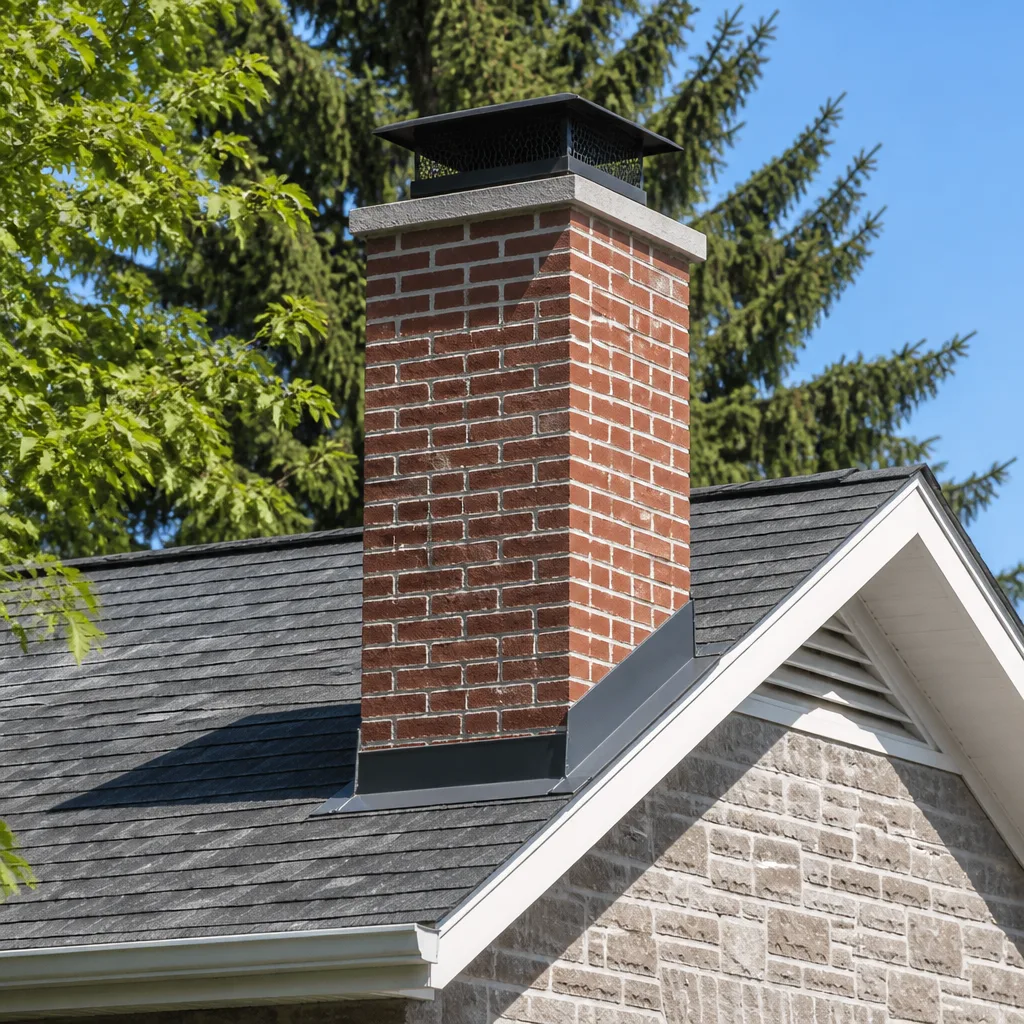 Masonry repair
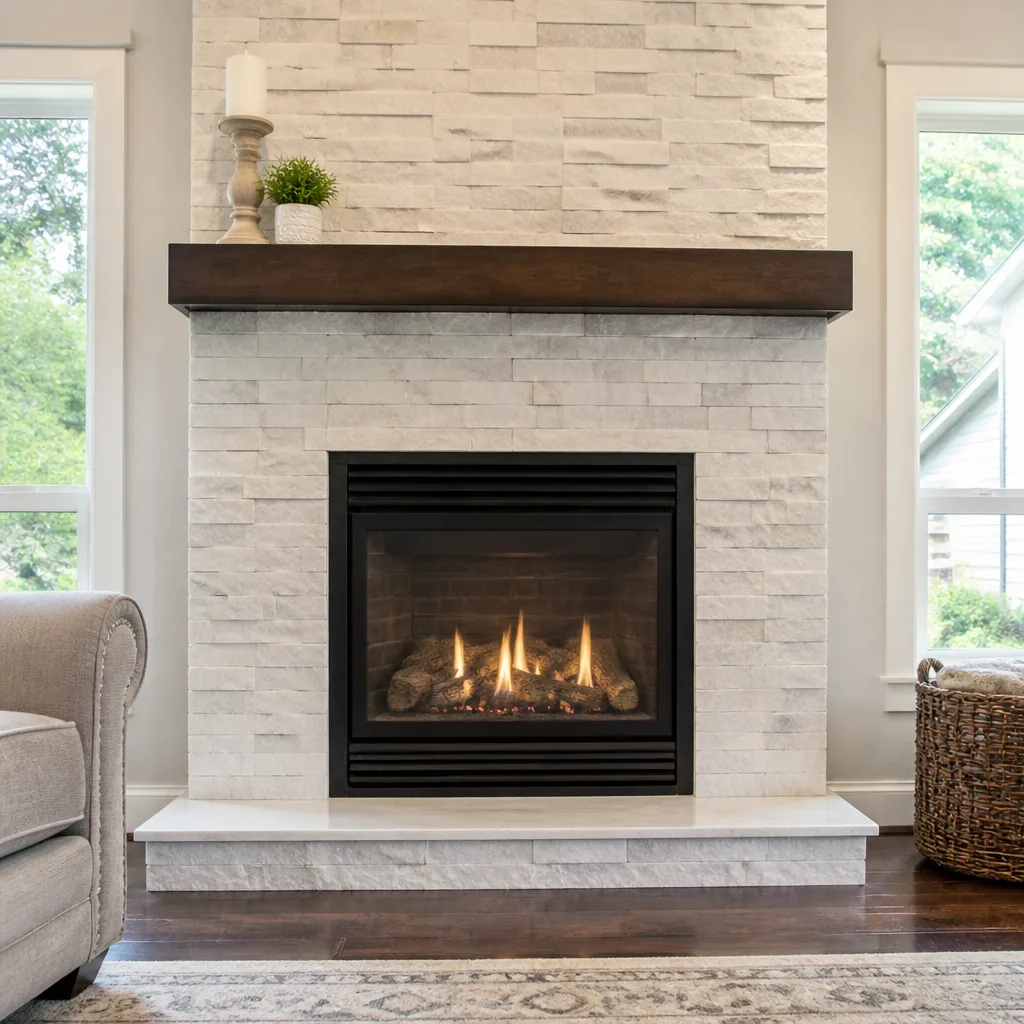 Gas fireplace service
Level 1 sweep and inspection to the NFPA 211 annual standard - flue, crown, cap, and flashing checked and photographed
Chimney sweep logs do not sweep chimneys. They loosen some creosote - which then falls where a brush and vacuum still have to collect it.
Choosing the Right Chimney Cleaning Brand: A Buyer’s Guide for Commerce City
Creosote sweeping logs are sold next to fireplace tools at every big-box store in Commerce City, and their packaging makes them sound like a substitute for a real cleaning. They aren’t. They soften and shrink loose deposits a little, and the fine print on the wrapper says so. Mechanical cleaning is what actually removes the glazed, sticky creosote that causes chimney fires. This guide explains which product brands the trade actually trusts, which retail products are honest substitutes and which are shelf-space filler, and how a Commerce City homeowner should think about the difference.
Quick Answer
The right chimney cleaning brand is the one a certified sweep specifies for the job, not the one with the biggest display at the hardware store. Professional brands like Rutland, ChimneySaver, and Fire Devil appear in trade work because they meet performance standards for creosote treatment, sealing, and flue repair that retail knockoffs don’t. In Commerce City, where hail and freeze-thaw cycles punish chimney tops, the materials on your cap and crown matter as much as the sweep itself.
Styles & brands we work with
- Sweep & inspection
- Caps & crowns
- Flue relining
- Masonry repair
- Gas fireplace service
Table of Contents
- Why chimney product brands matter more than most homeowners expect
- The four professional product categories that actually matter
- Why Rutland, ChimneySaver, and Fire Devil show up in trade work
- What creosote-reducing products can and cannot do
- Galvanized vs. stainless vs. copper: choosing a cap for Commerce City weather
- What homeowners can safely apply between professional visits
- When to call a professional
- Frequently asked questions
Why chimney product brands matter more than most homeowners expect
The chimney is one of the few systems in a home where the wrong product can fail in a way you never see. A miscalibrated sealant on a crown cracks after two winters. A cheap liner degrades from the inside where no one looks until an inspection catches it. Retail shelves are stocked with products that look the part but are formulated down to a price. That’s not a knock on the hardware stores – it’s the reality of how consumer-grade goods are made versus how trade-grade goods are made.
Professional chimney sweeps specify products by performance standard, not by shelf position. The brands that keep appearing in trade work – Rutland, ChimneySaver, Fire Devil, and the liner manufacturers like DuraFlex and Olympia Chimney – are there because they hold up to the conditions chimneys actually face. Those conditions include continuous thermal cycling, acidic condensate from flue gases, and moisture intrusion from the top.
In Commerce City, that last factor carries extra weight. The Front Range gets hail, hard freezes, and rapid thaw. A caulk or crown patch that would serve for years in a mild climate can craze and split in a single season here. The product choice is a durability decision, not a brand-loyalty decision.
There’s another reason product knowledge matters for the homeowner. When you hire a sweep, you’re buying their judgment about which materials fit your system. A sweep who works with trade brands can tell you why one sealant suits a masonry crown and another suits a prefab chase cover. That’s the useful part of the conversation.
The four professional product categories that actually matter
Most homeowners focus on brushes and forget everything else. In practice, four product families drive the outcome of chimney work.
- Rotary cleaning systems. These are the motorized whip and chain assemblies a sweep uses to remove glazed creosote from a flue. Consumer brush kits don’t reach the same deposits. The professional systems are what make a cleaning actually complete rather than cosmetic.
- Chimney sealants. Waterproofing treatments for masonry that let the wall breathe while shedding water. The wrong sealer traps moisture and accelerates spalling. Trade-grade sealants are vapor-permeable by design.
- Crown coatings. The crown is the concrete slab at the very top of the chimney, and it’s the first thing to fail under freeze-thaw. Repair coatings like those from ChimneySaver are formulated to flex with the crown rather than crack off it.
- Liner repair products. HeatShield cerfractory resurfacing, for example, restores deteriorated flue tiles from the inside without a full liner replacement. That capability separates a repair specialist from a cleaning-only operation.
Each of these categories has retail look-alikes. The difference shows up in how long the product lasts and how it behaves under thermal stress. When you’re evaluating a chimney sweep in Commerce City, ask which products they specify for each category. A vague answer is your signal to keep asking questions.
A sweep who works with liner systems like DuraFlex and resurfacing products like HeatShield is set up for the full range of chimney work, from a routine chimney sweep to a full flue restoration. That range matters because problems in one category often surface while you’re working in another. A crown failing from above and a flue tile cracking from below often show up in the same inspection.
Why Rutland, ChimneySaver, and Fire Devil show up in trade work
These three brands cover different parts of the trade, and each earns its place for a specific reason.
Rutland is a long-standing name in chimney maintenance products, from creosote treatments to brushes and cleaning tools. Sweeps reach for it because the formulations are consistent and the product line covers the routine maintenance side of the trade. Rutland’s creosote conditioners are specified for the legitimate purpose discussed later – softening deposits ahead of a sweep, not replacing one.
ChimneySaver is a name you’ll hear around crown and masonry work. Their sealants and crown repair materials are built for the kind of weather exposure that Commerce City chimneys face every season. The products are designed to flex, breathe, and stay put. That matters when the surface they’re applied to expands and contracts dozens of times a winter.
Fire Devil is a trade-standard name in creosote removal chemistry, used by sweeps to convert stubborn glazed deposits into something that can be mechanically removed. The distinction matters because glazed creosote is the third-degree creosote – the kind that ignites. A chemical treatment that loosens it is a prep step, not a finished job.
A sweep working with these products isn’t just choosing brands. They’re choosing materials that behave predictably. Predictable behavior is what you want in a system that carries fire up through your house. When we get called out to look at a failed crown or a spalling chimney in Commerce City, the question we ask first is what was applied last time.
What creosote-reducing products can and cannot do
Creosote-reducing logs and powders have a legitimate use case, but it’s narrower than the packaging suggests. Here’s the honest breakdown.
- What they can do: Chemically alter the structure of light, flaky creosote so it’s easier for a sweep to remove. Reduce the rate at which new deposits build if used consistently between sweeps. Loosen the top layer in moderate buildup.
- What they cannot do: Remove glazed, tar-like creosote. Replace mechanical cleaning. Reach deposits that have already hardened into the flue walls. Clean the smoke chamber or the damper area.
- What they should never be used for: Treating a chimney that hasn’t been inspected. If you don’t know what stage of creosote is in your flue, you don’t know whether a chemical treatment will help or just soften the top layer while the glazed deposit underneath keeps creeping toward ignition temperature.
Glazed creosote is the fire risk. It forms when flue gases cool too quickly and condense on the flue walls in a sticky, tar-like layer. It hardens over time. Once it’s hardened, only mechanical action removes it. A creosote log can’t touch it. Neither can a retail powder.
So what’s the legitimate use? In a chimney that’s been cleaned and inspected and found to have normal light buildup, a creosote conditioner used as directed can slow how fast new deposits accumulate. That’s a maintenance product, not a repair product. It’s the equivalent of brushing your teeth between dentist visits. It doesn’t stand in for the dentist.
If a product promises to “clean your chimney without sweeping,” read the fine print carefully. It usually says something narrower. The gap between the marketing and the fine print is where homeowner money goes to waste.
Galvanized vs. stainless vs. copper: choosing a cap for Commerce City weather
The chimney cap sits at the top of the system, exposed to everything Commerce City weather can throw at it. It’s also the cheapest component to get wrong and the most expensive to keep replacing. Material selection is the whole game.
- Galvanized steel. The budget option. Galvanized coating protects the steel until it’s scratched or worn, then rust starts and spreads. In a hail-and-freeze climate, the coating takes hits. Expect a shorter service life than the other two options.
- Stainless steel. The practical upgrade for Front Range weather. Stainless resists rust through the full thickness of the metal, so hail dents are cosmetic rather than the start of corrosion. This is what most trade-professional cap installations specify for this climate.
- Copper. The long-life option, and it develops a patina over time that some homeowners want and others don’t. Copper resist corrosion very well and stands up to hail better than galvanized. The higher upfront cost is offset by not replacing it every few winters.
The chase cover – the flat lid that covers a prefab chimney chase – has the same material logic. A galvanized chase cover on a Commerce City home will rust through at the seams faster than a stainless one. The seam is where water gets in and freeze-thaw does the rest.
We specify trade brands for cap and crown work because the material quality is what determines longevity. A cap that fits poorly or rusts through in two winters lets water into the flue, and water in the flue accelerates every other failure in the system. If you’re already having chimney repair done, ask specifically what material the replacement cap is made of. A one-word answer is worth hearing.
What homeowners can safely apply between professional visits
Some products are appropriate for homeowner use. Some absolutely are not. The line between them is legible once you know what to look for.
Appropriate for self-application:
- Creosote-reducing logs or powders, used as directed in a chimney that’s been cleaned and inspected and is known to have light buildup only.
- Fireplace glass cleaner for the door glass.
- Ash removal and firebox cleaning, with the ash kept in a metal container away from combustibles.
- Visual inspection of the cap and crown from the ground with binoculars – looking for cracks in the crown, rust on the cap, or obvious damage after a hail event.
Requires a professional:
- Anything involving the flue interior. This includes brushes, rotary systems, and chemical creosote removers. Working inside a flue without the right equipment and training is how people get hurt.
- Crown repair, crown coating, and crown replacement.
- Liner installation or liner repair, including HeatShield resurfacing.
- Chimney sealant application on masonry. The wrong sealant traps moisture and accelerates damage.
- Cap installation, particularly on a steep roofline. This is height work with real fall risk.
- Any inspection that needs to be documented for insurance, real estate, or code purposes.
The safety line here is real. A chimney flue is a confined space with a hot surface history. Falls from a roof are the most common serious injury in this trade. We’re not going to hand a homeowner a step-by-step for work that lands people in the ER. We’ll tell you what to look for from the ground, and we’ll tell you when to call someone trained.
One useful habit between professional visits: after a hail storm or a hard freeze, take five minutes with binoculars and look at the chimney top. Cracks in the crown, dents in the cap, or missing mortar at the top courses are all visible from the ground. Catching them early is cheaper than catching them after a season of water intrusion. For the routine work itself, book a Chimney Sweep Commerce City and let the sweep handle the flue interior.
When to call a professional
Some situations call for a phone call, not a product. If it’s been more than a year since your last sweep, that’s the first trigger. Creosote accumulates by the season, and the 1/8-inch mark is where the fire risk starts climbing. If you’re burning wood regularly in Commerce City, annual is the right cadence. If you’ve had a chimney fire – even a small one you put out yourself – you need an inspection before the next fire. The flue tiles crack under the heat, and a cracked tile is a path for fire into the framing. If you see cracked crown, rusted cap, spalling brick, or white staining on the exterior masonry, call for a look. If your fireplace smells smoky when it’s not in use, that’s usually a sign of a pressure or flue issue worth diagnosing.
If you’ve never had the chimney inspected, or the last inspection was years ago and undocumented, that’s also a call. An inspection that produces photos and notes is what tells you what’s actually happening inside the flue. Chimney Sweep Commerce City offers free estimates in Commerce City – call (855) 617-2952. We answer 24/7. Fast dispatch from 7am to 7pm, Sunday through Friday.
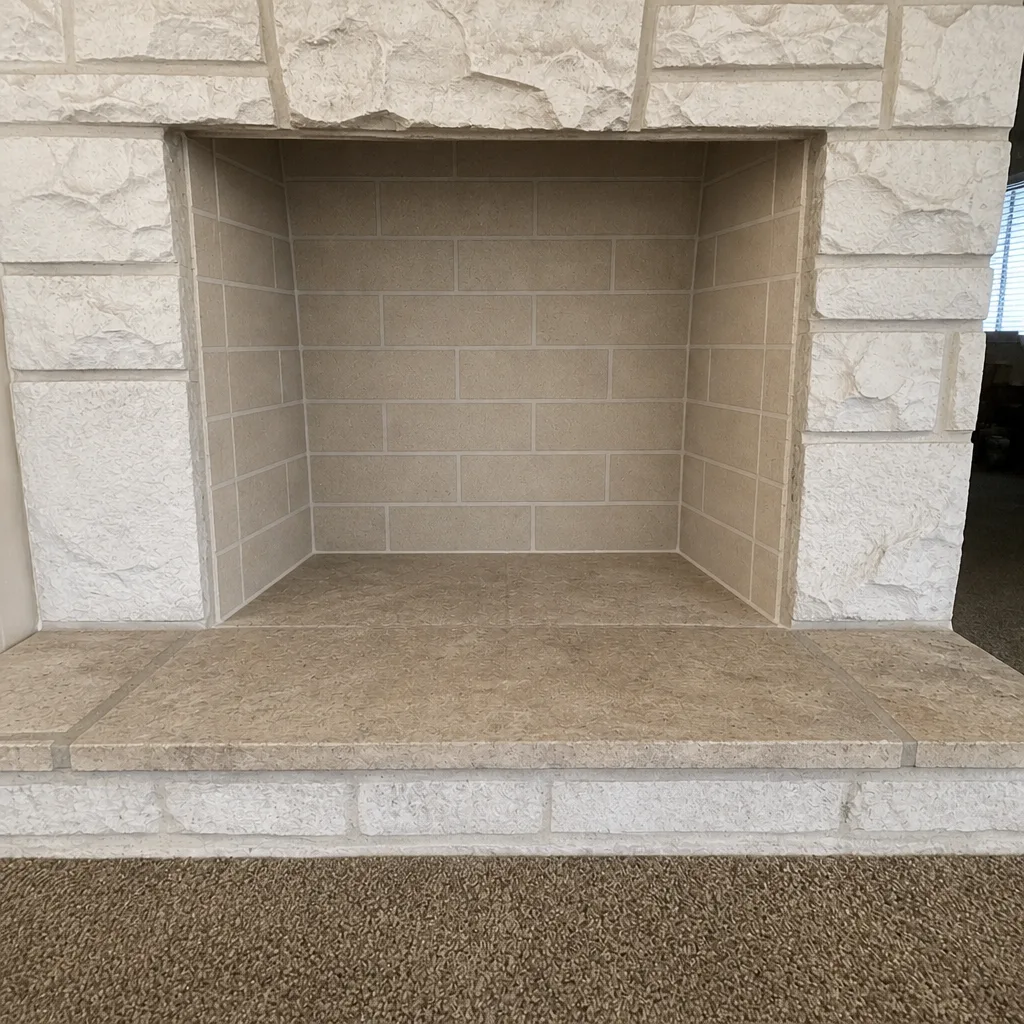
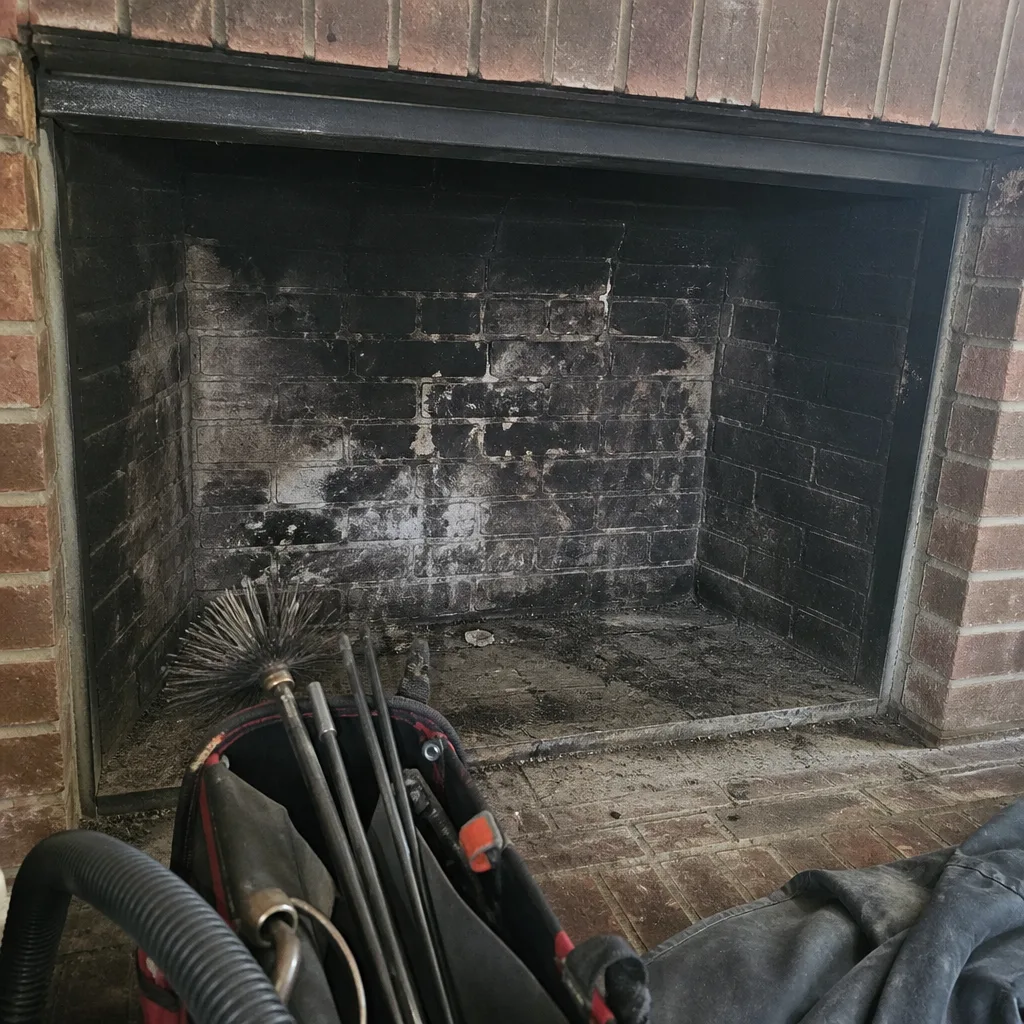
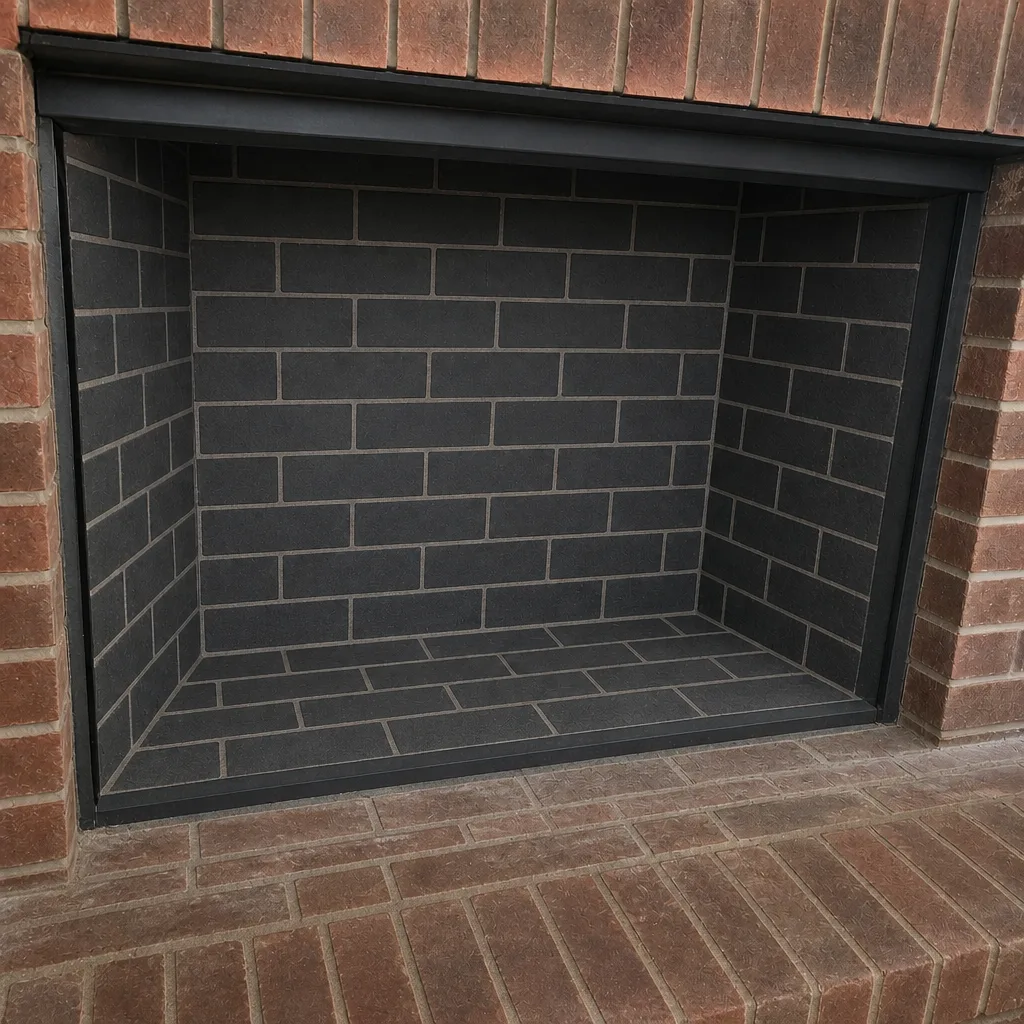
See the difference
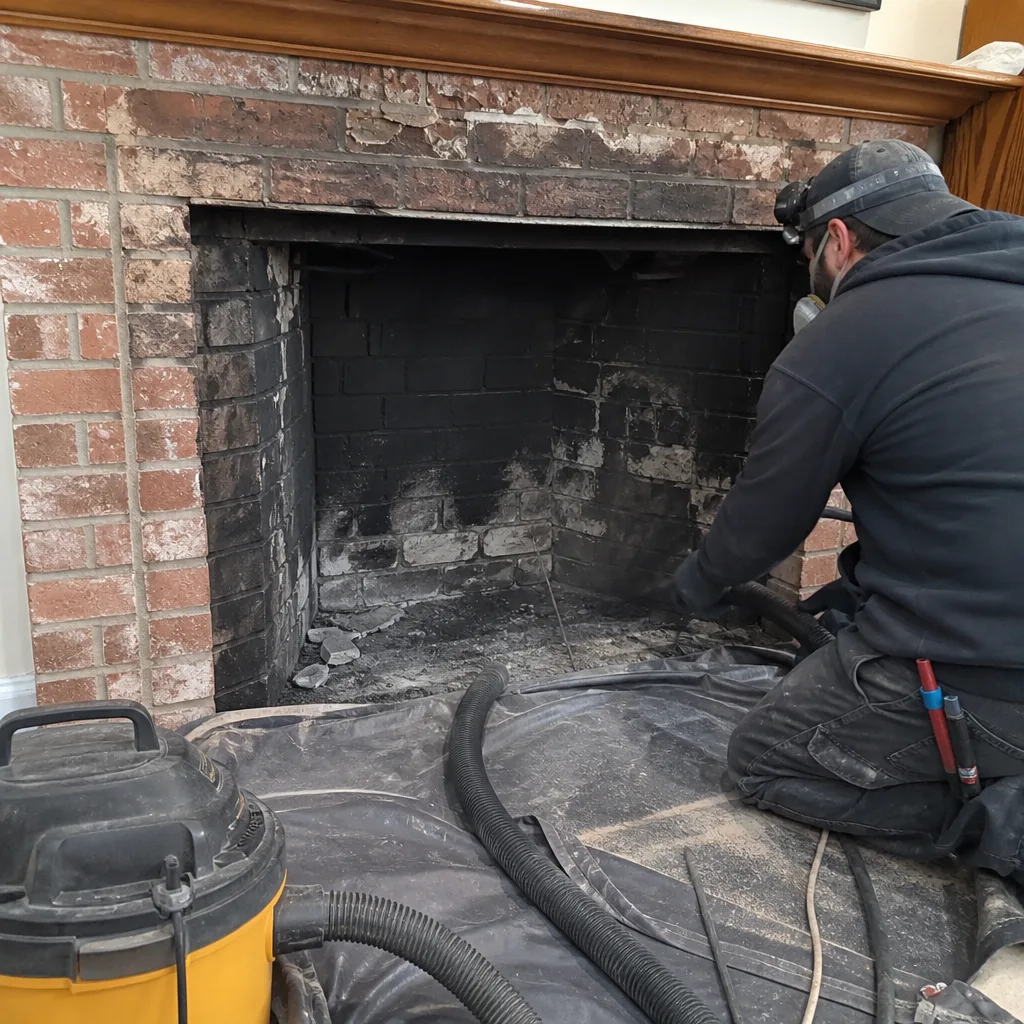 Before
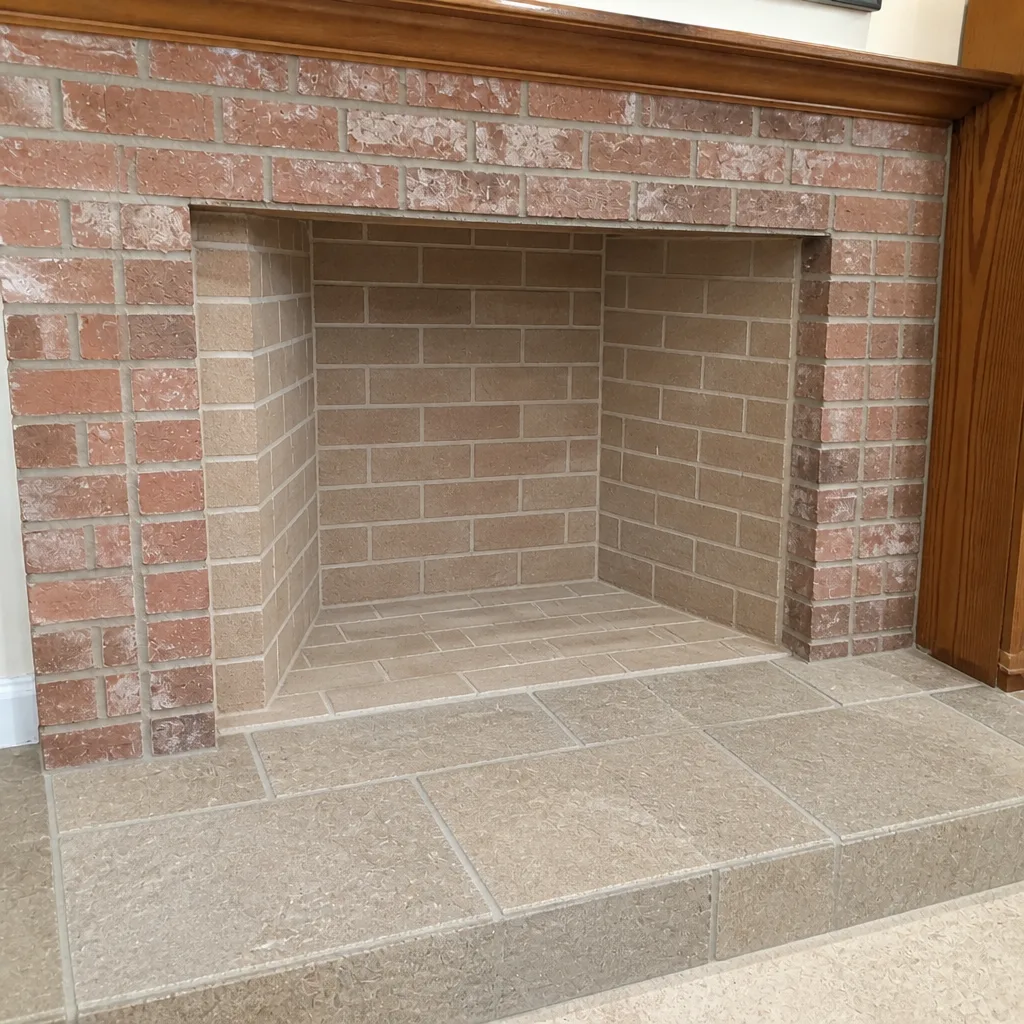 After
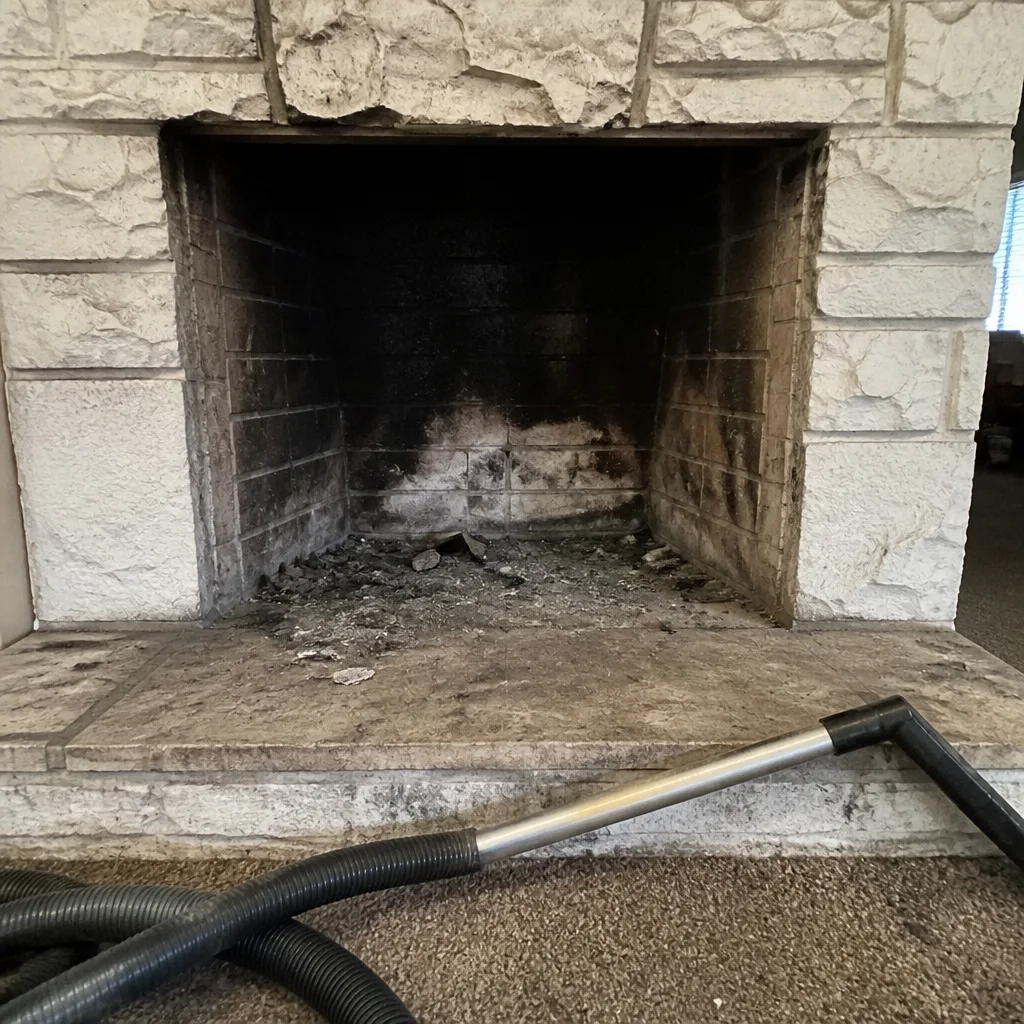 Before
 After
 Before
 After
Common Mistakes to Avoid
- Treating a creosote log as a cleaning. It’s a maintenance product for light buildup in an already-clean chimney. It won’t remove glazed creosote, and it won’t tell you whether your flue has glazed creosote to begin with.
- Buying the cheapest cap at the hardware store. A galvanized cap on a Commerce City chimney is a two-winter part. The hail and freeze-thaw here shortens the life of anything below stainless grade.
- Applying masonry sealant without knowing the wall’s condition. Sealing over spalling or cracked masonry traps moisture and accelerates the damage. A sealed-in problem gets bigger, not smaller.
- Skipping the inspection because the sweep looked fine from outside. The outside of a chimney tells you almost nothing about the flue interior. The flue tiles and the smoke chamber are where the actual condition lives.
- Burning wet or unseasoned wood to “use it up.” Wet wood produces far more creosote per fire than dry wood. The savings on cheap wood show up as a faster buildup in the flue.
- Hiring a sweep who can’t tell you what products they use. If the answer to “what sealant do you specify for my crown?” is a shrug, the work will show it in a couple of seasons.
- Assuming the cap is fine because it’s only a year old. In a hail-heavy year, a new cap can take damage that isn’t visible from the ground. A quick look with binoculars after a storm is worth the five minutes.
Frequently Asked Questions
There isn’t a single “best brand” – there are trade-grade brands suited to specific jobs. Rutland covers brushes and creosote treatments, ChimneySaver covers crown and masonry sealants, Fire Devil covers creosote chemistry, and DuraFlex covers liner systems. A certified sweep selects from these by job, not by brand loyalty. If a sweep can’t explain why they’re using a specific product for your chimney, ask a second question. For a specific recommendation on your system, call (855) 617-2952. We answer 24/7. Fast dispatch from 7am to 7pm, Sunday through Friday.
They modestly reduce loose creosote deposits in a chimney that’s already been cleaned, and that’s the limit of what they can do. They do not remove glazed creosote, they do not clean the smoke chamber, and they don’t substitute for mechanical cleaning. The fine print on the packaging usually says so. If your chimney has glazed deposits, only a sweep with rotary equipment can remove them.
Both are solid choices for this climate, and stainless is the more common trade specification. Stainless resists corrosion through the full thickness of the metal, so hail damage stays cosmetic. Copper costs more upfront but lasts longer and develops a patina some homeowners prefer. Galvanized is the option to skip here – it rusts faster under hail and freeze-thaw.
No, crown repair and crown coating should be done by a trained technician. The crown is exposed to the most weather stress of any chimney component, and the wrong product or wrong application makes the problem worse rather than better. Crown coatings need to flex with the concrete as it expands and freezes, and that takes a product formulated for the job. Call (855) 617-2952 for an inspection. We answer 24/7. Fast dispatch from 7am to 7pm, Sunday through Friday.
A cleaning addresses creosote and debris. A liner addresses a damaged or improperly sized flue. The distinction shows up during a camera inspection – if the flue tiles are cracked, spalling, or missing, a liner is the fix. If they’re intact and the chimney just needs cleaning, a sweep does the job. HeatShield resurfacing can sometimes restore deteriorated flue tiles without a full liner replacement, which is why the product matters. Call (855) 617-2952 and we’ll do the inspection and show you what’s there. We answer 24/7. Fast dispatch from 7am to 7pm, Sunday through Friday.
Copper is worth it if you plan to stay in the home long-term and want to avoid repeated replacement. For most Commerce City homeowners, stainless is the practical upgrade – it resists hail and freeze-thaw well and costs less upfront. Galvanized caps are the common failure point we see on homes in this climate, and they typically don’t last as long as the homeowner expects.
Both work on the same principle and have the same ceiling: they soften light, flaky deposits in a chimney that’s already been mechanically cleaned. Neither touches glazed creosote. If you burn wood regularly in Commerce City and want to slow buildup between annual sweeps, a creosote conditioner used as directed is reasonable. If you don’t know what stage of creosote is in your flue, call for a sweep first so you’re not treating the wrong layer.
The Bottom Line
The right chimney product brand is the one specified by a sweep who knows the job, not the one with the widest display at the hardware store. Professional brands like Rutland, ChimneySaver, Fire Devil, DuraFlex, and HeatShield appear in trade work because they hold up to real conditions. In Commerce City, that means hail, hard freezes, and rapid thaws that wear out retail-grade materials faster than the homeowner expects. Creosote-reducing products have a narrow, legitimate use between professional cleanings. They are not a substitute for a sweep, and they will never touch the glazed creosote that causes chimney fires. If you want a proper inspection, a fireplace repair, or a cap that lasts more than two winters, start with a call. Call (855) 617-2952 for a free estimate. We answer 24/7. Fast dispatch from 7am to 7pm, Sunday through Friday.
Written by the team at Chimney Sweep Commerce City.