
Last updated November 23, 2026
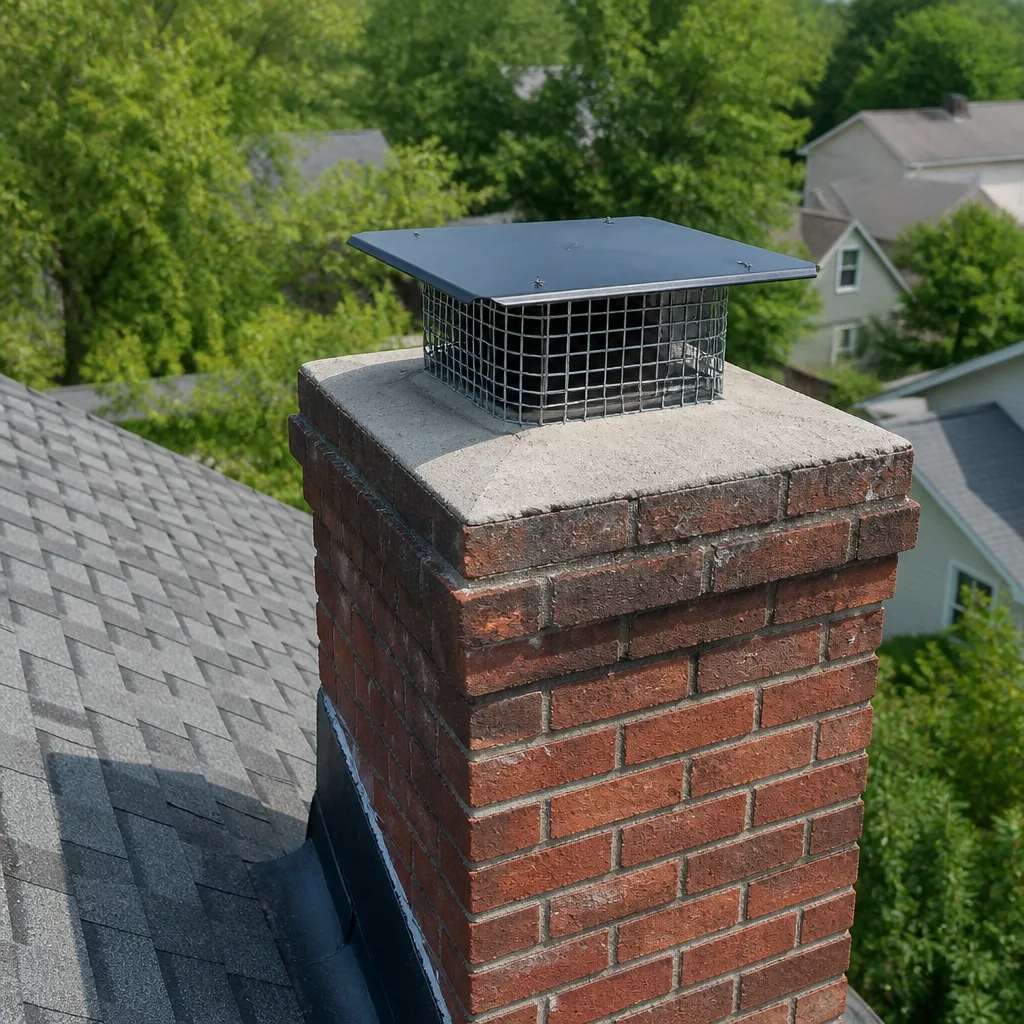 Sweep & inspection
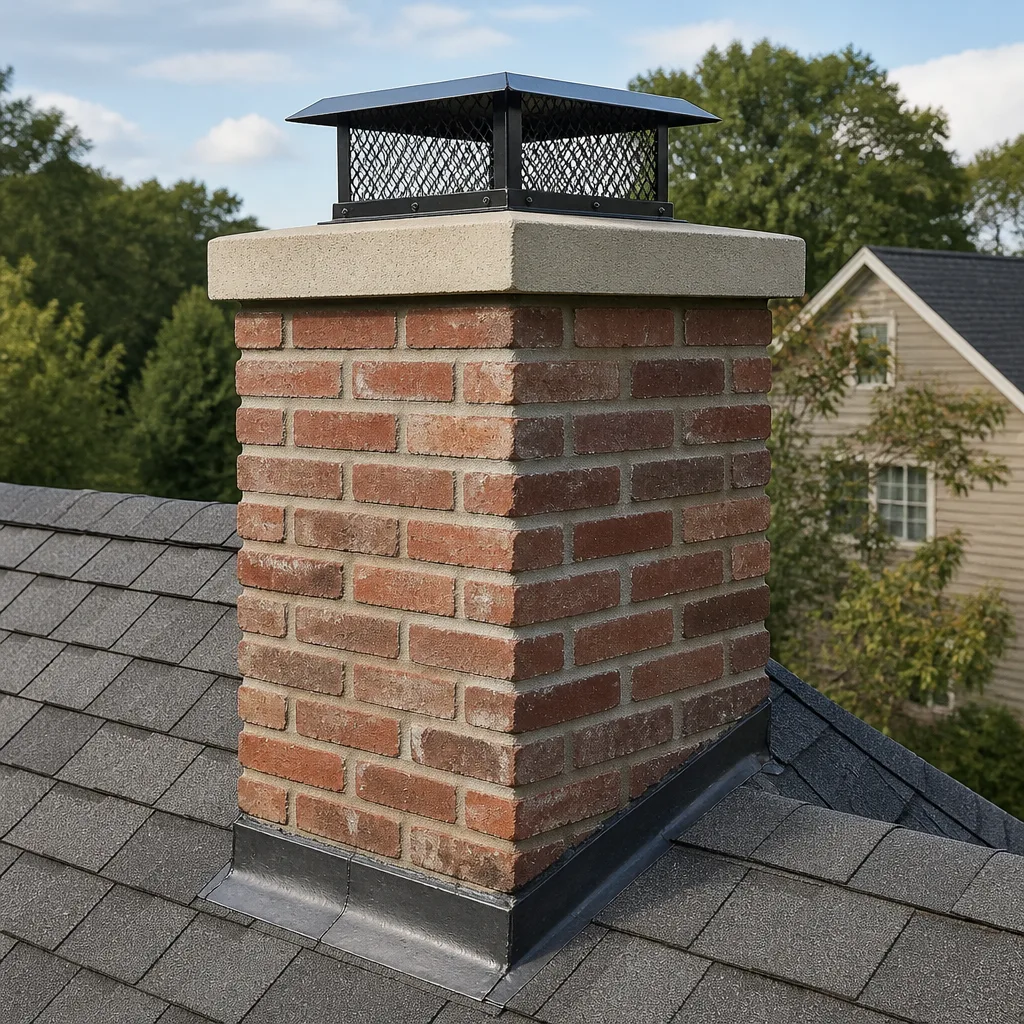 Caps & crowns
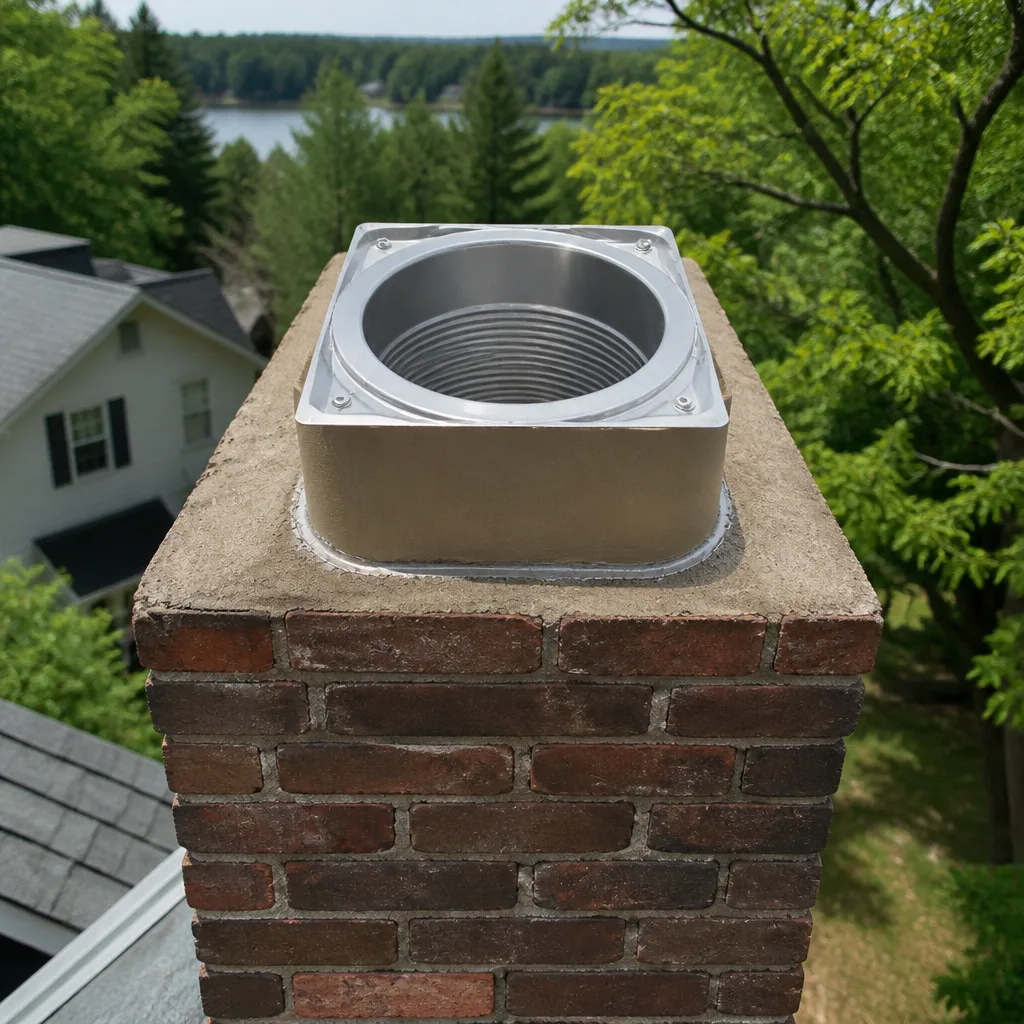 Flue relining
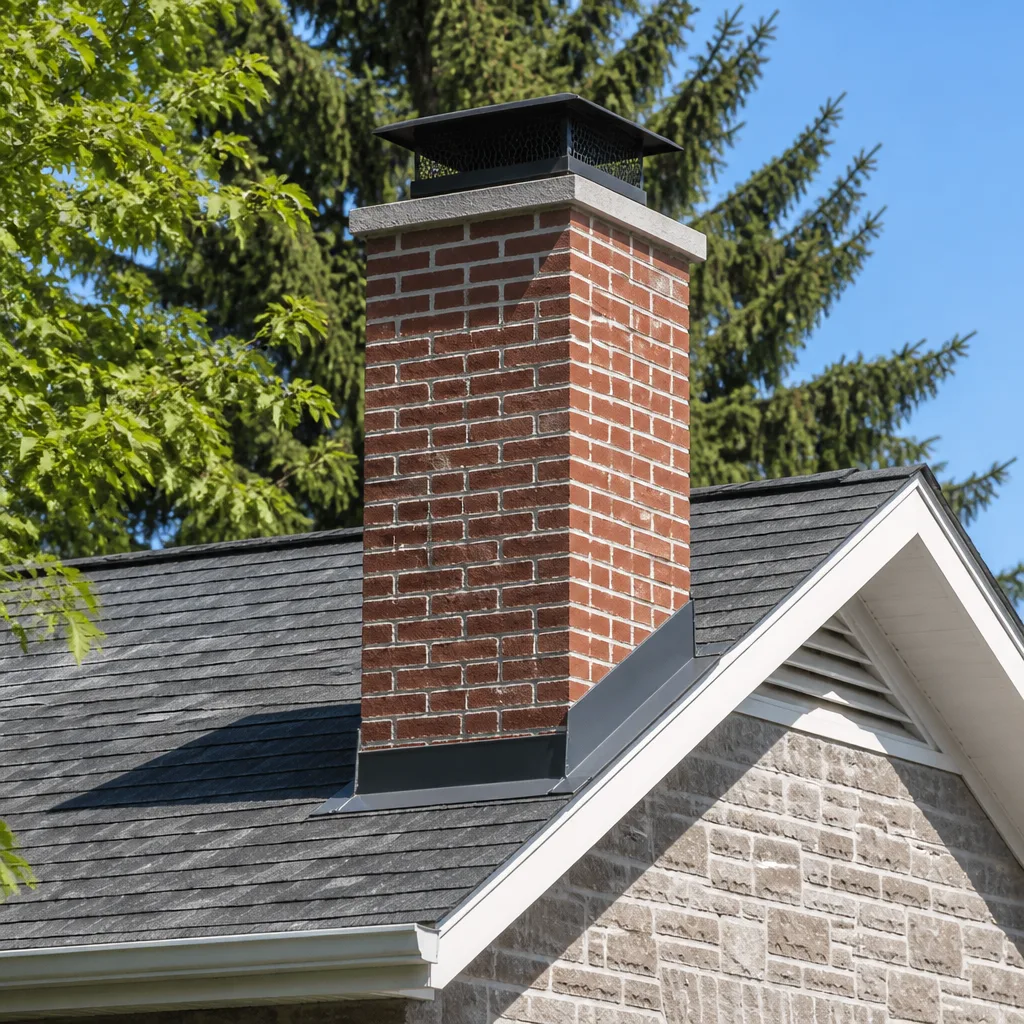 Masonry repair
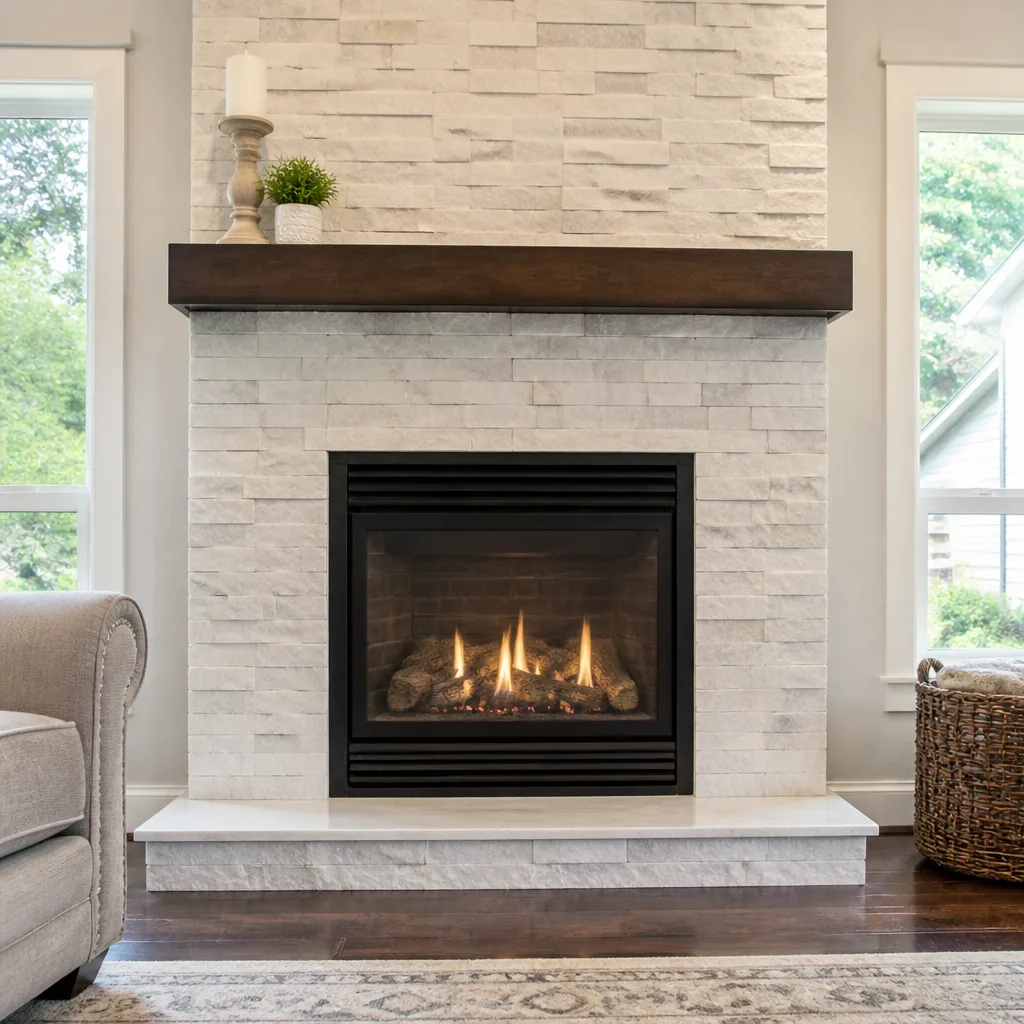 Gas fireplace service
Level 1 sweep and inspection to the NFPA 211 annual standard - flue, crown, cap, and flashing checked and photographed
Chimney sweep logs do not sweep chimneys. They loosen some creosote - which then falls where a brush and vacuum still have to collect it.
How to Hire a Chimney Cleaning Contractor in Commerce City: A Step-by-Step Guide
CSIA certification takes dedicated training and testing. A business license from Adams County doesn’t. Most homeowners can’t tell the difference until something goes wrong, and by then the technician is off the roof and the money is spent. That gap between a licensed operator and a certified chimney professional is the single most useful thing to understand before you hire anyone in Commerce City. This guide walks through exactly which credentials to ask for, which insurance questions actually matter, how to read a quote and a service report, and the red flags that separate a specialist from a generalist with a brush and a ladder.
Quick Answer
To hire a chimney cleaning contractor in Commerce City, verify three things before you book: current CSIA Certified Chimney Sweep status, general liability coverage and workers’ compensation for anyone who will be on your roof, and a written inspection report delivered after the work. Ask for specific insurance limits in writing, refuse same-day repair pressure without photo or camera documentation, and confirm the contractor services both older masonry chimneys and newer prefab units common in Commerce City subdivisions.
Styles & brands we work with
- Sweep & inspection
- Caps & crowns
- Flue relining
- Masonry repair
- Gas fireplace service
Table of Contents
- Why Hiring the Right Chimney Contractor Matters in Commerce City
- Step 1: Ask for the Right Credentials
- Step 2: Get Specific on Insurance
- Step 3: Find Out If They Know Commerce City’s Chimney Stock
- Step 4: Read the Quote Like a Professional
- Step 5: Watch How They Work On-Site
- Step 6: Read the Post-Service Report
- Common Mistakes to Avoid
Why Hiring the Right Chimney Contractor Matters in Commerce City
Commerce City homeowners deal with a specific set of conditions that make chimney care different from what you’d expect in a milder climate. Long, cold winters mean the fireplace runs hard for months. The freeze-thaw cycle along the Front Range puts stress on masonry every season. Homes with wood-burning fireplaces and gas appliances vented through a chimney have two maintenance tracks to manage, and a generalist handyman rarely understands both. Add in the range of housing stock, from older brick ranches to newer builds with factory-built prefab fireplaces, and you get a market where the quality of the contractor matters more than the price on the invoice.
We’ve seen the pattern often enough to recognize it. A homeowner books whoever answers the phone first, the technician sweeps and leaves, and six months later there’s a repair problem that costs several times what a proper inspection would have caught early. The flue is the most overlooked fire-safety system in the house. A sweep isn’t a luxury cleaning, it’s a maintenance event that should generate a documented picture of your chimney’s condition. Hiring someone who treats it that way is the whole game.
The market in Commerce City includes genuine specialists, generalists who added chimney work to a broader handyman service, and a handful of operators who sweep without inspecting. This guide is about learning to tell them apart before the appointment, not after. A proper chimney sweep starts with a real look at the flue, not just a brush down the stack.
Step 1: Ask for the Right Credentials
Credentials tell you whether someone has been trained to a standard or simply bought a brush and a shop vacuum. The two that matter most in residential chimney work are the CSIA Certified Chimney Sweep credential and NFI certification. They verify different things, and a good contractor may hold one, both, or neither. Knowing what each covers lets you weigh the answers.
CSIA Certified Chimney Sweep. The Chimney Safety Institute of America credential is earned through a proctored exam covering codes, venting, inspection standards, and safety. It requires periodic recertification, which means the holder is tested again rather than certified once and forgotten. Ask for the certification number and confirm it’s current. A certified sweep can also perform inspections to industry standards because the training covers the evaluation side of the trade, not just the cleaning.
NFI certification. The National Fireplace Institute certifies technicians by fuel type: wood, gas, and pellet. NFI verification matters most when you have a gas fireplace, a gas log set, or a pellet appliance, because the venting and combustion characteristics differ from wood. A technician NFI-certified for wood isn’t automatically qualified on gas. If your setup involves a gas appliance vented through the chimney, ask which NFI category they’re certified in.
What certification does not tell you. Neither credential is a standalone business license. A contractor still needs local business registration and the insurance described below. Certification confirms training; insurance protects you if something goes wrong on your roof. You need both.
Other signals worth checking:
- Membership in a trade association, which usually implies continued education.
- Ability to explain why an inspection standard applies to your setup, not just recite the term.
- Willingness to put the certification number in writing on the quote.
Step 2: Get Specific on Insurance
“We’re fully insured” is a phrase, not a coverage document. A technician on your roof is a real liability exposure, and the only thing that protects you is verifying the coverage exists and is adequate. Two separate policies matter here, and they protect against different problems.
General liability. This covers damage to your property: a cracked flue tile from careless sweeping, a dropped tool through a window, water damage from a botched job. Ask for the policy’s liability limit, not just a yes. The limit should be high enough that a serious property claim wouldn’t leave you chasing the contractor personally. Get the answer in writing rather than accepting a verbal “we’ve got it covered.”
Workers’ compensation. This one protects you if the technician is injured on the job. Without workers’ comp, an injured worker can pursue the homeowner directly for medical costs. That’s why the question is worth asking even though it feels awkward. A contractor who carries workers’ comp will provide a certificate without hesitation. One who doesn’t may deflect or say the crew is “all subcontractors,” which transfers the risk right back to you.
Here’s the specific set of questions to ask:
- Can you send a certificate of insurance showing your general liability limit?
- Do you carry workers’ compensation for everyone who comes to my property?
- Are the technicians employees or subcontractors, and who insures each?
- Will you name me as an additional insured if I request it?
If any of these produce a vague answer, treat it as information about how the operation is run. The local pro should be licensed and insured as their state requires, and they should be able to prove it quickly.
Step 3: Find Out If They Know Commerce City’s Chimney Stock
A contractor who works across a wide service area may not know the specific construction you’re living in. Commerce City has a real mix, and the flue problems differ by type. Older brick ranch homes, many built in the mid-twentieth century, often have original masonry chimneys with clay tile liners that have decades of thermal cycling behind them. Newer subdivisions east of I-270 lean heavily on prefab fireplaces with factory-built flue systems that follow the manufacturer’s specific venting requirements.
The questions below reveal whether a contractor actually works in this housing stock or just drives through it:
- How often do you work on original masonry chimneys in older Commerce City neighborhoods versus prefab units in newer subdivisions?
- How do you handle factory-built fireplaces where the manufacturer’s venting specs differ from generic masonry practice?
- What do you commonly see in homes this age, and what does that mean for a routine sweep?
- How does the Front Range freeze-thaw cycle affect masonry here, and what should I watch for on the crown?
Answers that reference specific construction detail rather than general statements tell you the contractor has hands-on knowledge of the local housing. Answers that sound like a brochure tell you the opposite. The Commercial City pattern we see most often is a masonry chimney with a deteriorating crown on an older ranch home, paired with a prefab unit in a subdivision that needs its venting inspected against the original specs. A contractor who recognizes both is a contractor who knows this market.
This is also where the scope of a provider’s capabilities matters. A specialist who handles chimney repair and cap and crown work in-house is accountable for what they find. If the sweep uncovers crown damage, the same company can address it without a referral gap. That single-company accountability is worth more than a slightly lower sweep price.
Step 4: Read the Quote Like a Professional
A good quote tells you what will be done, how, and against what standard. A bad quote is a single line and a price. The difference matters most when repairs get added after the sweep, which is exactly when vague quotes turn into expensive conversations. Read the quote before you book and refuse to approve repair work without documentation.
What a genuine quote includes:
- The scope of the sweep, stated on its own line rather than bundled into a flat “service.”
- A separate line-item for the inspection, including which inspection standard it follows.
- Any add-ons itemized with a reason: a camera inspection of the flue, a cap assessment, a crown check.
- A clear statement that the written estimate sets the final price before any additional work proceeds.
- No pressure to approve repairs on the spot without a written report or camera evidence.
What should raise a flag:
- Vague line items like “full chimney service” that can’t be broken down on request.
- No written inspection report offered as part of the standard sweep.
- Same-day repair pressure before you’ve seen documentation of the problem.
- A quoted repair number with no photo or camera evidence behind it.
- Different pricing for identical jobs depending on when you call, which usually means the number is being made up as the call goes.
It’s fair to ask why a repair is being recommended. A specialist expects the question and answers with evidence. A generalist may pitch a line replacement that a proper inspection wouldn’t support. Our rule is simple: we identify the problem before we quote the fix, and that starts with an inspection you can verify. Cap and crown problems, liner condition, and flue tile deterioration should all be documented before a dollar of repair work is quoted.
Step 5: Watch How They Work On-Site
Job-site behavior tells you a lot about whether the contractor runs a professional operation. Watch for a few specifics. Drop cloths and a sealed work area mean the technician expects soot and dust and has planned for it. A camera inspection performed before the repair conversation means the recommendation will be grounded in evidence. A technician who inspects the flue, photographs what they find, and shows you the images is a technician who treats the job as diagnostic, not just maintenance.
The materials matter too. Professional-grade products like DuraFlex liner systems, HeatShield cerfractory resurfacing, Famco dampers, and Copperfield caps and crowns are specified by certified chimney professionals because they meet the standards the trade depends on. Big-box substitutes may fit, but the specification is the difference between a fix that holds and one that doesn’t. When a repair is recommended, ask what material will be used and why. A specialist has an answer grounded in the product’s role, not a price point.
We do want to be clear about one thing: liner installation and flue resurfacing are genuinely high-stakes work. The flue is what contains combustion byproducts and heat, and getting a liner wrong can create a fire hazard that’s invisible from the living room. This is not a DIY territory, and any contractor who suggests otherwise is telling you something important about how they work. When the recommendation is a liner, HeatShield application, or structural repair, ask for the documentation and the material specification, then let a trained professional do the work. The same caution applies to the connection points where the chimney meets the appliance and to any gas line involved in a gas appliance install.
Step 6: Read the Post-Service Report
A thorough sweep should produce paperwork you can file and refer back to. The report is the record of your chimney’s condition on a given date, and it’s what a future contractor or a home sale inspection will rely on. A sweep with no report is a service with no accountability. Here’s what a complete report should include.
- The date of service and the technician’s identification or certification number.
- The inspection level performed and what it covered.
- Condition findings by component: firebox, damper, smoke chamber, flue, crown, cap, and exterior masonry.
- Photo or camera documentation for any flagged issue.
- Clear recommendations separated into what can wait and what should be addressed before the next burn season.
- A statement of materials used if any repair or installation was performed.
The report tells you what to do next. If it flags a crack in the flue tile, a deteriorated crown, or a cap that’s no longer sealing, you now have a specific issue to address rather than a vague warning. If it says the chimney is in good shape, you have a documented baseline for the next sweep. Either way, the paperwork is what makes the service worth its price. Ask for it before you pay, and if a technician can’t produce one, treat that as the answer to the certification question too.
For homes that also need work inside the firebox, the report should distinguish between a sweep-level finding and a repair that falls under fireplace repair. That’s part of the point of a single-company specialist. The team that finds the problem can fix it without handing you off.
Common Mistakes to Avoid
- Hiring on price alone. The lowest quote usually reflects the least time and the least documentation, and the repair bill that follows costs more than the difference.
- Accepting “fully insured” without a certificate. Verbal coverage claims are worth nothing on the day someone is injured on your roof.
- Approving same-day repairs before seeing evidence. A repair conversation should follow the camera inspection and the written report, not replace it.
- Booking a sweep without an inspection. A sweep that doesn’t produce a condition report is maintenance without diagnosis, and it hides problems that a proper look would catch.
- Assuming every prefab fireplace is the same. Factory-built units east of I-270 follow manufacturer venting specs, and a contractor who treats them like masonry chimneys is working outside the installation standard.
- Forgetting the cap and crown. The top of the chimney takes the freeze-thaw beating, and a failing crown or a missing cap is how water gets into masonry in Commerce City.
- Letting a non-specialist do the repair. A handyman who sweeps may not have the training or the specified materials for a liner or HeatShield resurfacing, and the accountability gap shows up later.
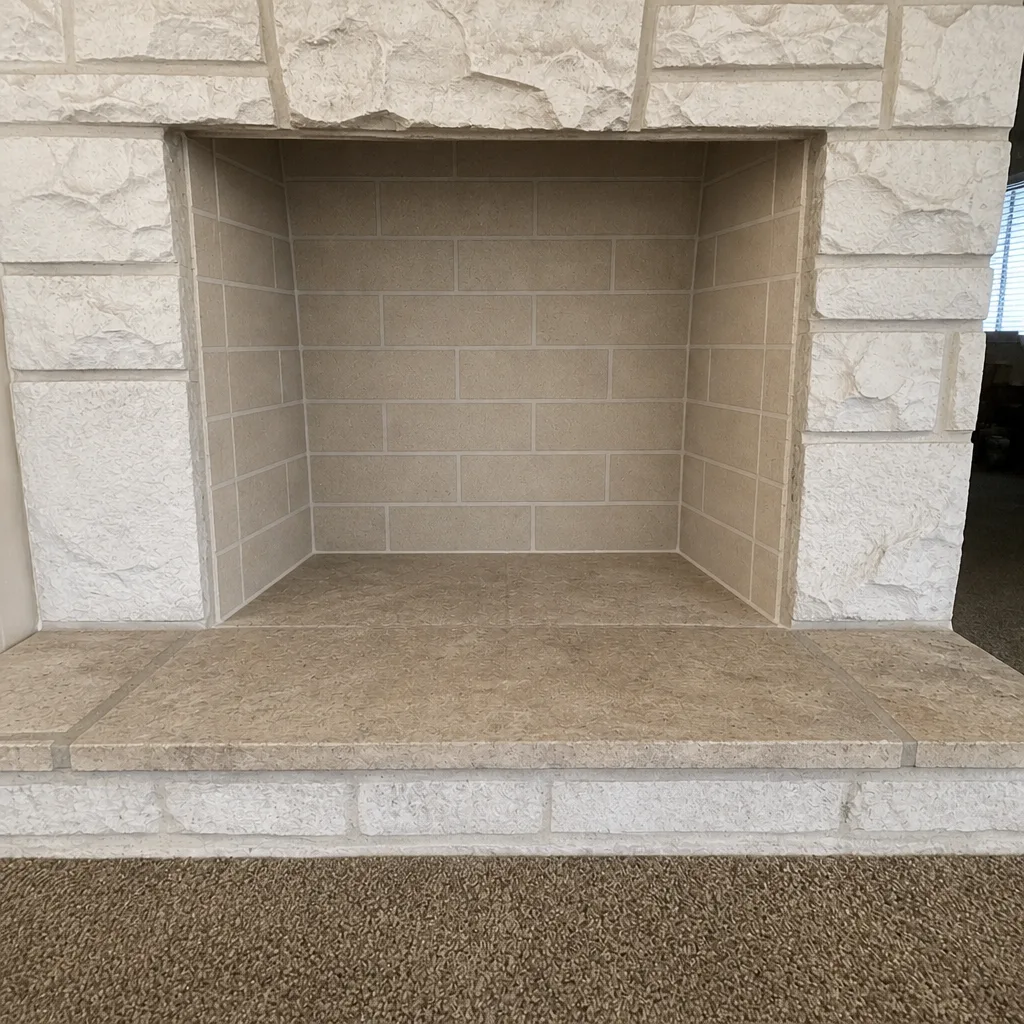
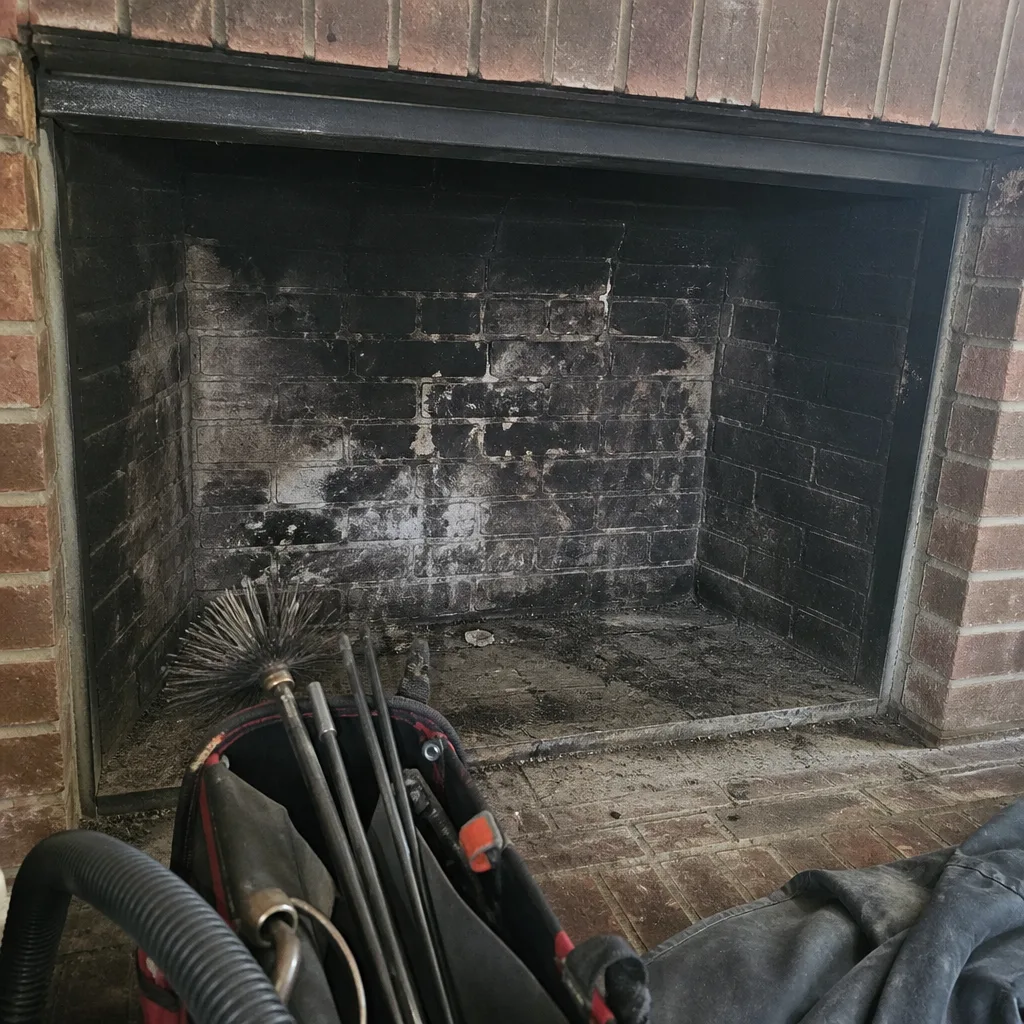
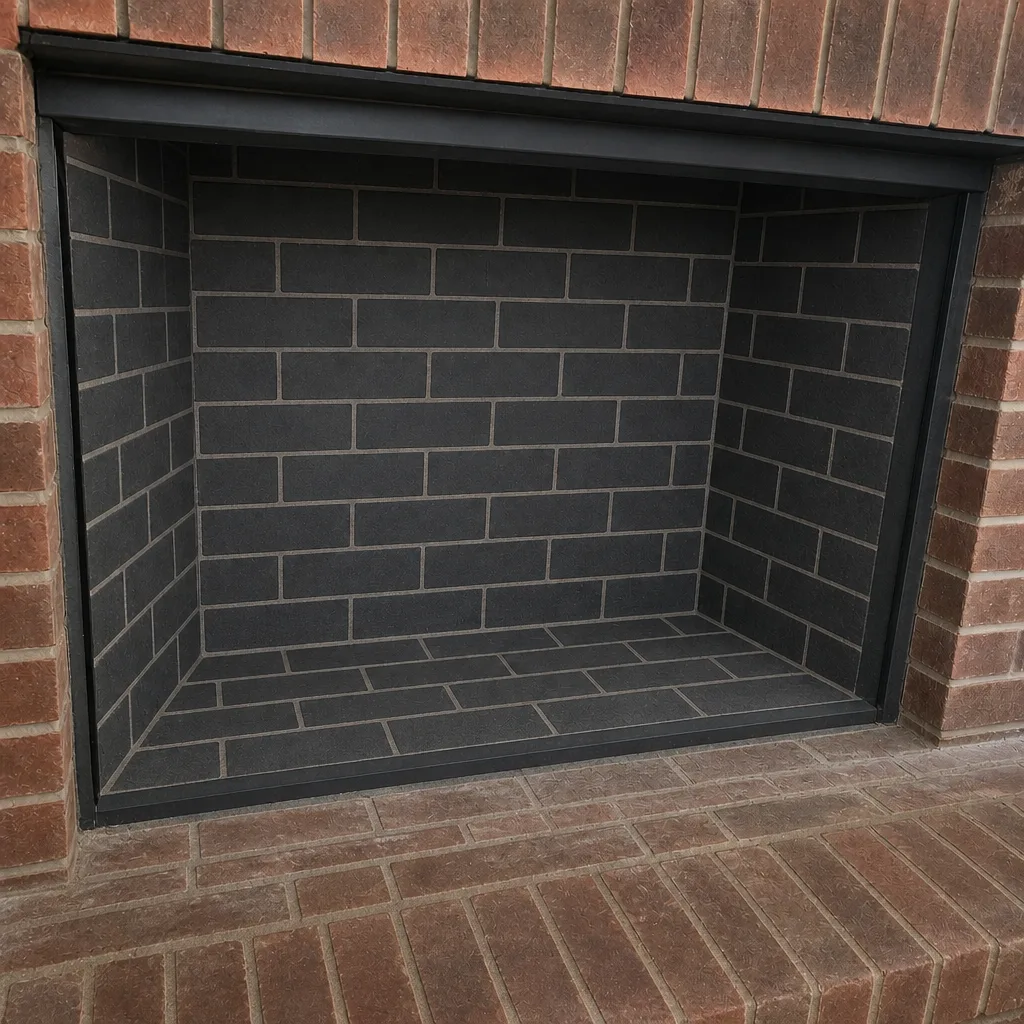
See the difference
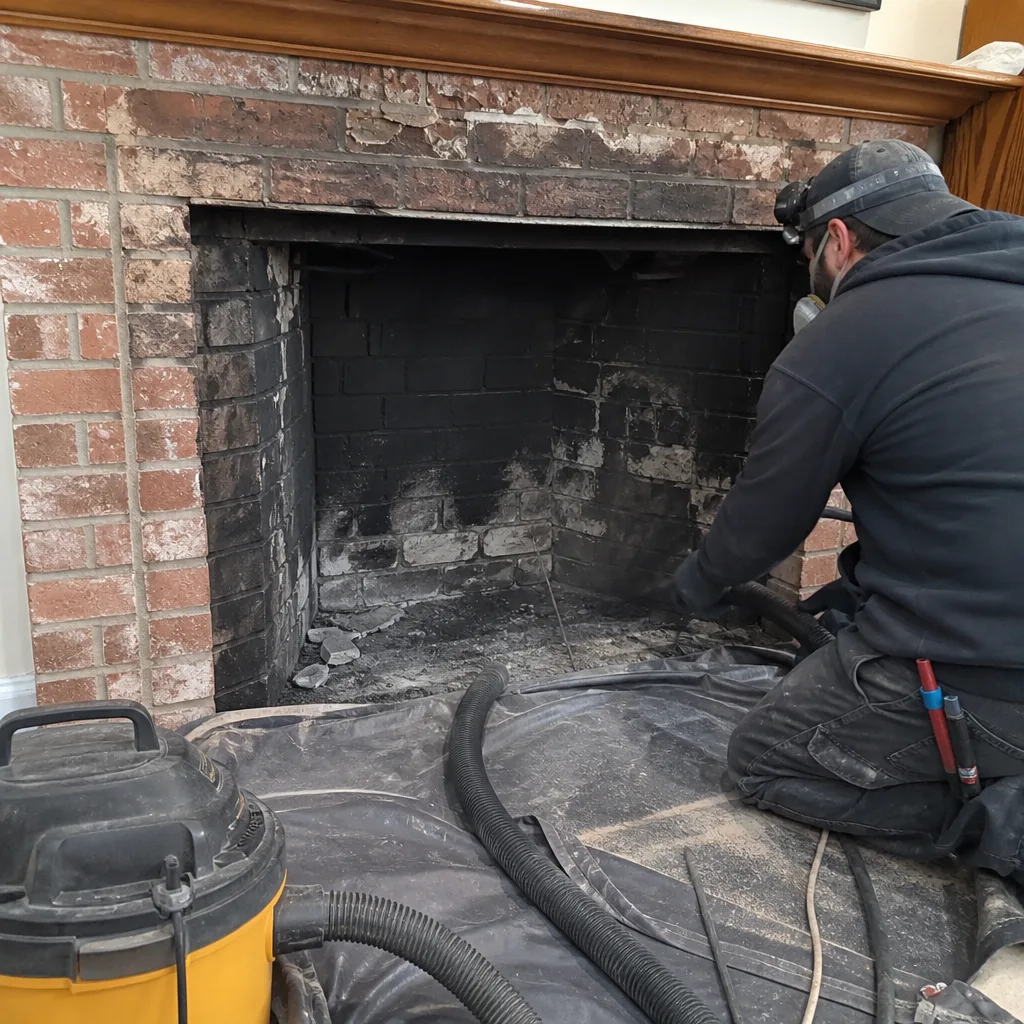 Before
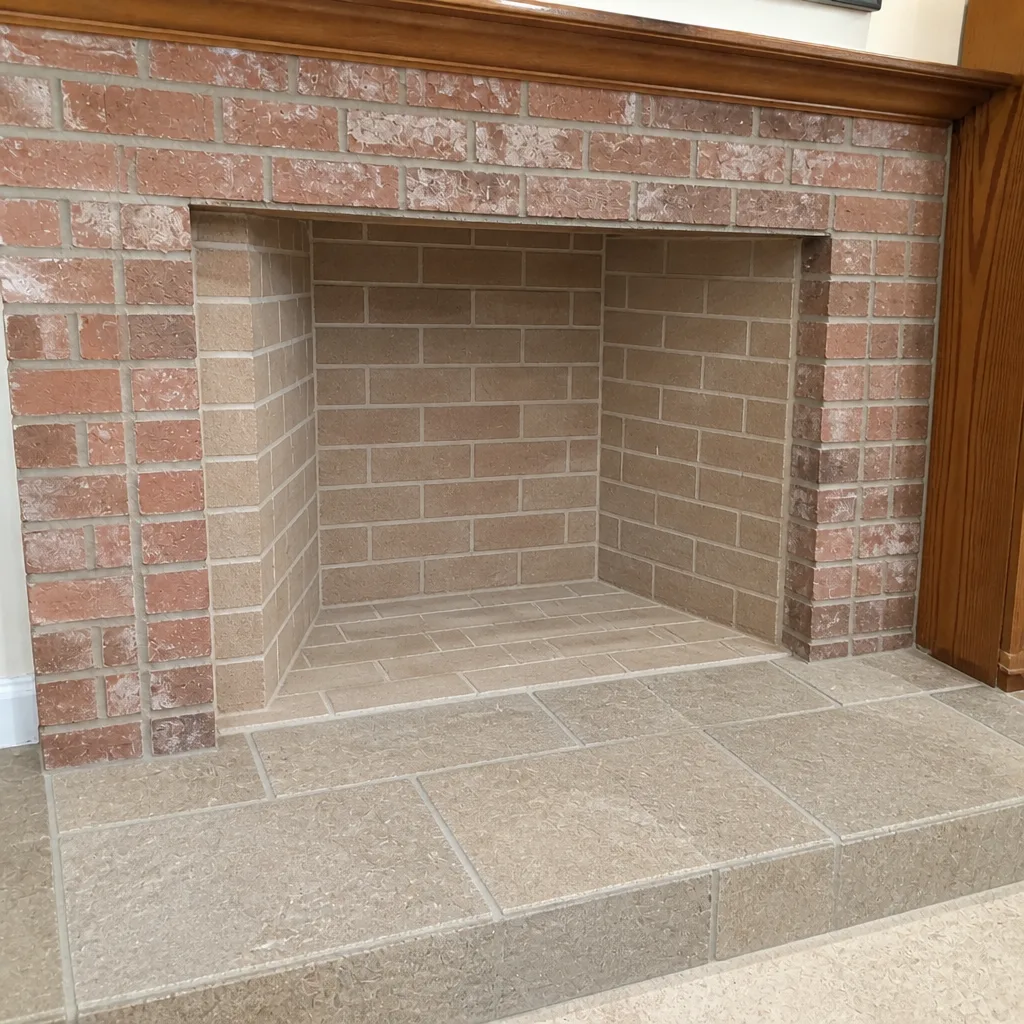 After
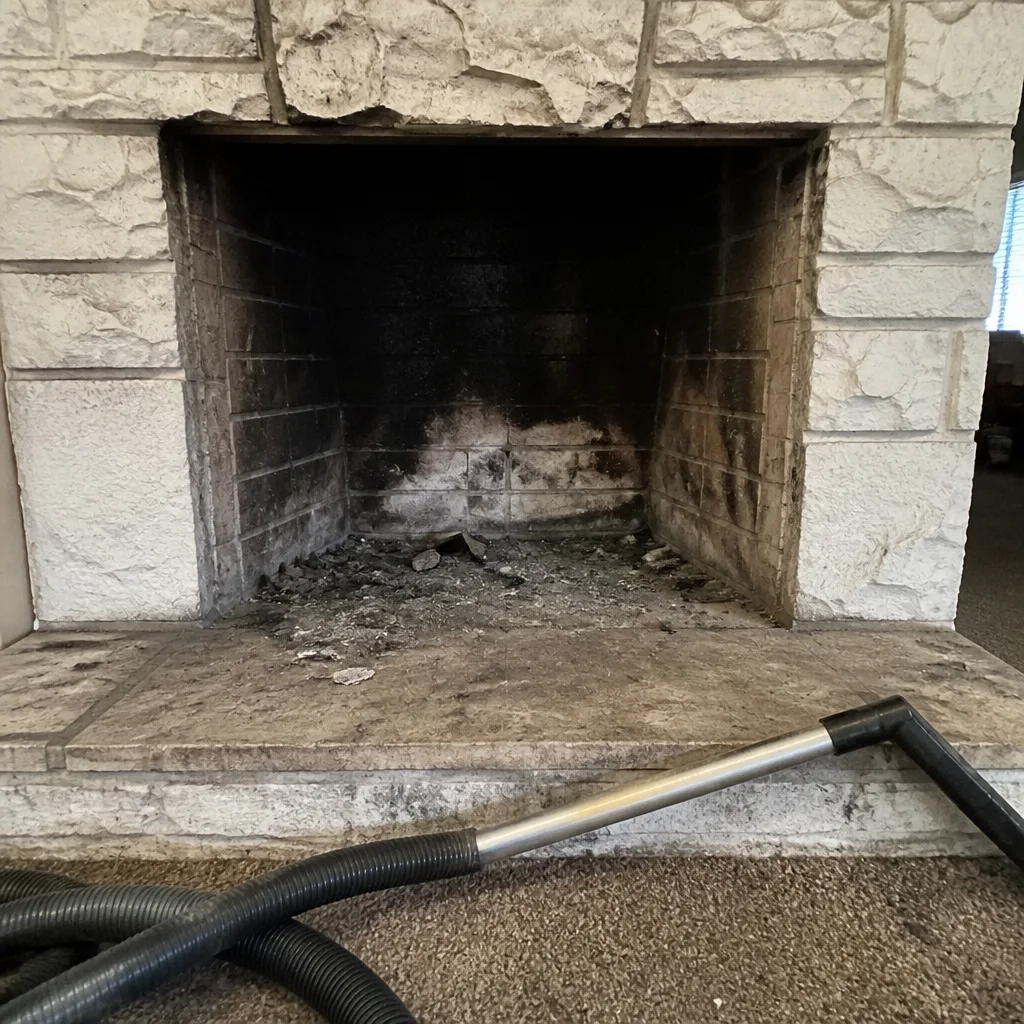 Before
 After
 Before
 After
When to Call a Professional
Some situations call for a trained professional rather than a homeowner check. You need a contractor when the flue has never been inspected, when a fireplace has sat unused through a season, when you’re moving into a home and have no service history, or when you see or smell anything unusual at the firebox: soot falling back into the room, a damper that no longer seats, staining on the masonry, or an odor that doesn’t clear. These are all signs a proper inspection should sort out before the next burn. If a prior contractor flagged a repair and you never got documentation, that’s also a reason to book a specialist who will document the condition and tell you plainly what can safely wait.
Chimney Sweep Commerce City offers free estimates in Commerce City. Call (855) 617-2952. We answer 24/7. Fast dispatch from 7am to 7pm, Sunday through Friday.
Frequently Asked Questions
A typical chimney sweep in the Commerce City area runs in the range of a scheduled maintenance service, and the written estimate you receive before booking sets the final price. Cost depends on the type of chimney, whether a camera inspection is included, and whether the flue has a clear access point. We quote per job and itemize each line so a sweep and an inspection aren’t bundled into one vague number. Call (855) 617-2952 for an exact quote, estimates are free.
Only if a proper inspection shows the existing liner is cracked, deteriorated, or improperly sized for the appliance. A liner recommendation should come with camera evidence you can see, plus a clear explanation of what the current liner’s condition means for fire safety. If the evidence isn’t there, the liner isn’t needed yet. Call (855) 617-2952 for an inspection before you commit to any liner work.
Ask for current CSIA Certified Chimney Sweep status with a certification number, and NFI certification if you have a gas or pellet appliance. Pair that with proof of general liability insurance and workers’ compensation for anyone on your roof. The CSIA credential verifies training and inspection standards; the insurance verifies that you’re protected if something goes wrong. Ask for both in writing before booking.
Most wood-burning chimneys need sweeping once a year, and more often if the fireplace is used heavily through the winter. Gas appliances vented through a chimney also need annual inspection. Scheduling a sweep before the burn season starts gives you the inspection results in time to address any repair before the first fire. Call (855) 617-2952 to book a sweep, estimates are free.
Creosote builds up on the flue walls with every fire, and it’s flammable. An unswept chimney carries a higher fire risk, and a blocked flue can push carbon monoxide back into the home. Regular sweeping removes the buildup and lets a trained technician catch deterioration early. The inspection is where the real value sits, because it’s the only reliable way to know the condition of the flue. Call (855) 617-2952 to schedule before the season.
A full-scope specialist handles the sweep, the inspection, and the recommended repair or installation in the same company. That matters because the team that identifies the problem is accountable for the fix. Look for a contractor who works with professional-grade materials like DuraFlex liners, HeatShield resurfacing, and Copperfield caps and crowns, and who confirms the specification before install. Call (855) 617-2952 to discuss the scope of work.
The Bottom Line
Hiring a chimney contractor in Commerce City comes down to verifying what you can’t see from the driveway. Ask for CSIA certification and NFI status where it applies. Get the insurance limits in writing, not just the phrase. Confirm the contractor knows the difference between an older masonry chimney and a prefab unit in a subdivision. Read the quote, watch the on-site process, and insist on a written report with documentation for any recommended repair. When the flue is in question, call a specialist who can show you the evidence and tell you honestly what can wait. That’s how you protect a home through a long Colorado winter.
Call (855) 617-2952 for a free estimate. Chimney Sweep Commerce City provides chimney sweeping, chimney inspection, fireplace repair, chimney repair, and chimney cap and crown installation using professional-grade materials from brands including DuraFlex, HeatShield, Gelco, Olympia Chimney, Famco, and Copperfield. From the firebox to the crown, fully serviced. We answer 24/7. Fast dispatch from 7am to 7pm, Sunday through Friday.
Written by the team at Chimney Sweep Commerce City.