
Last updated November 23, 2026
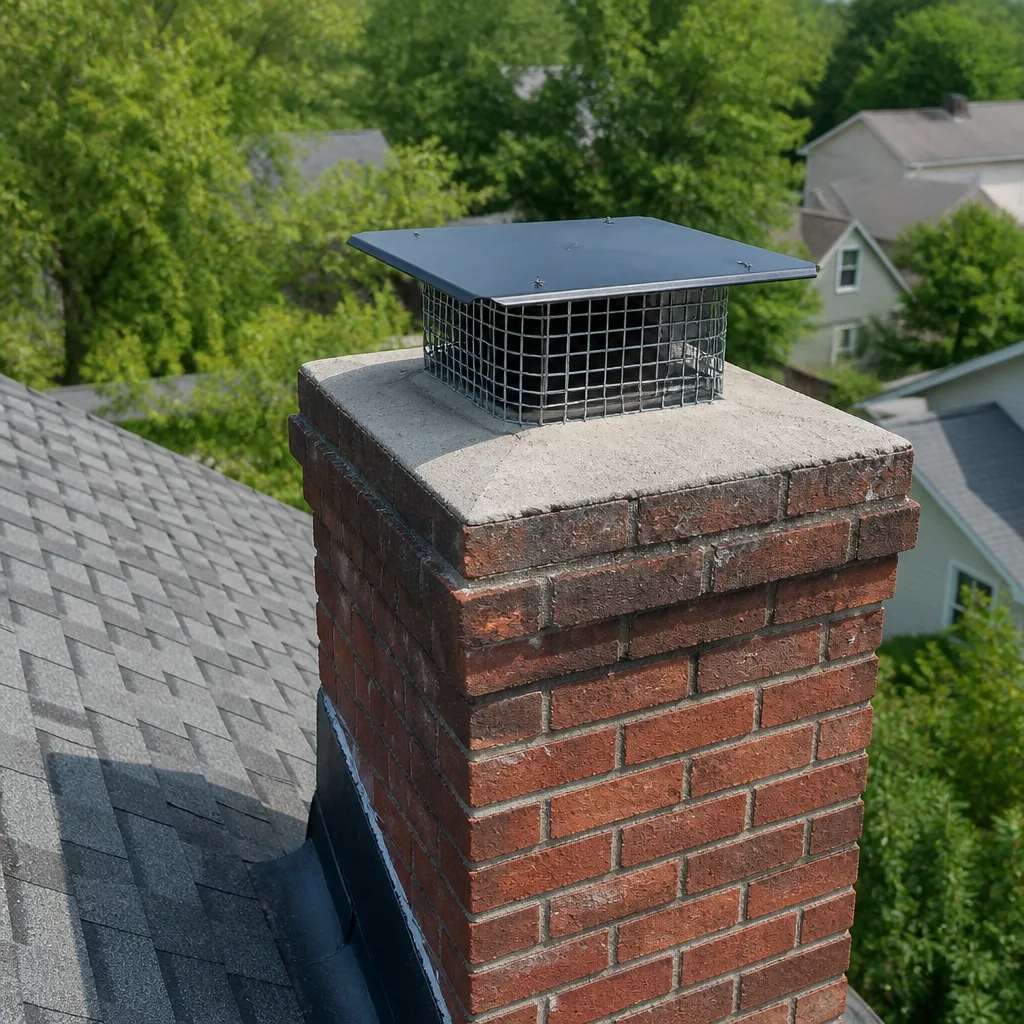 Sweep & inspection
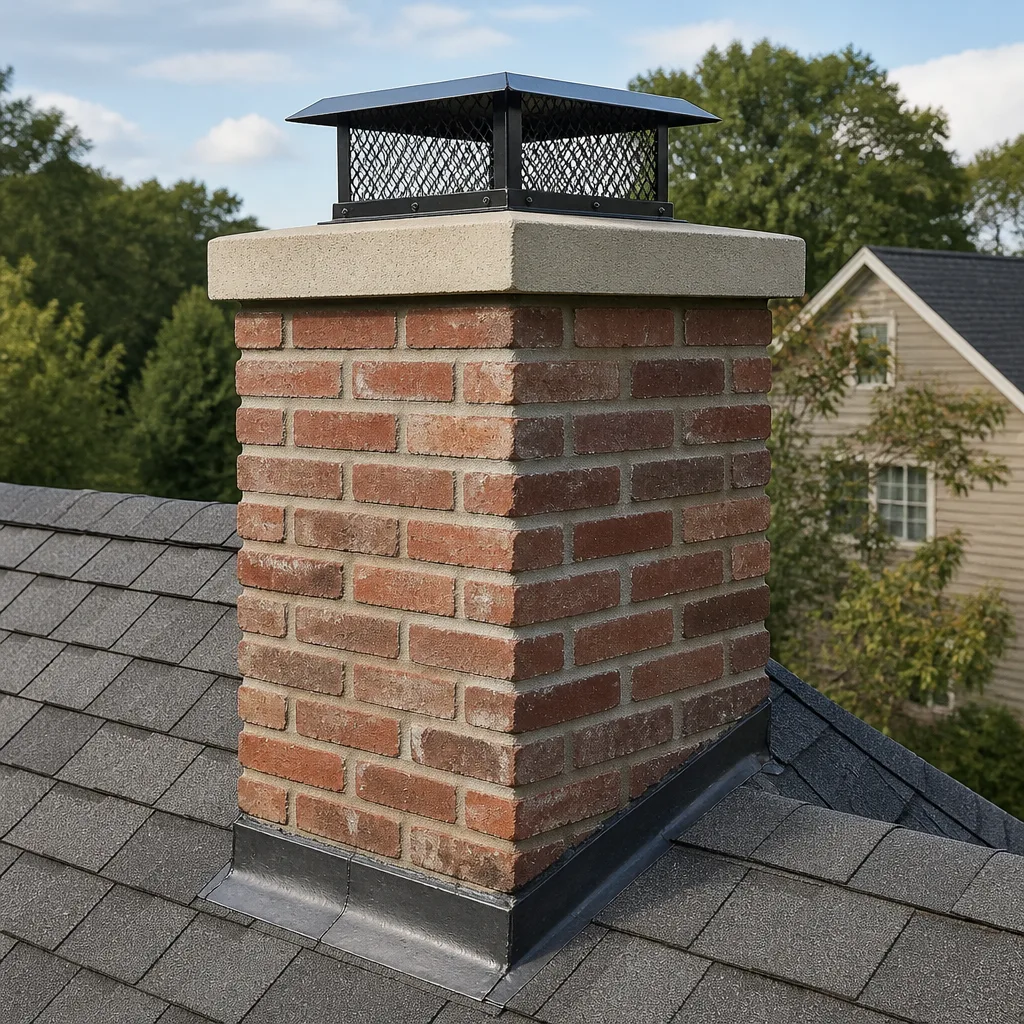 Caps & crowns
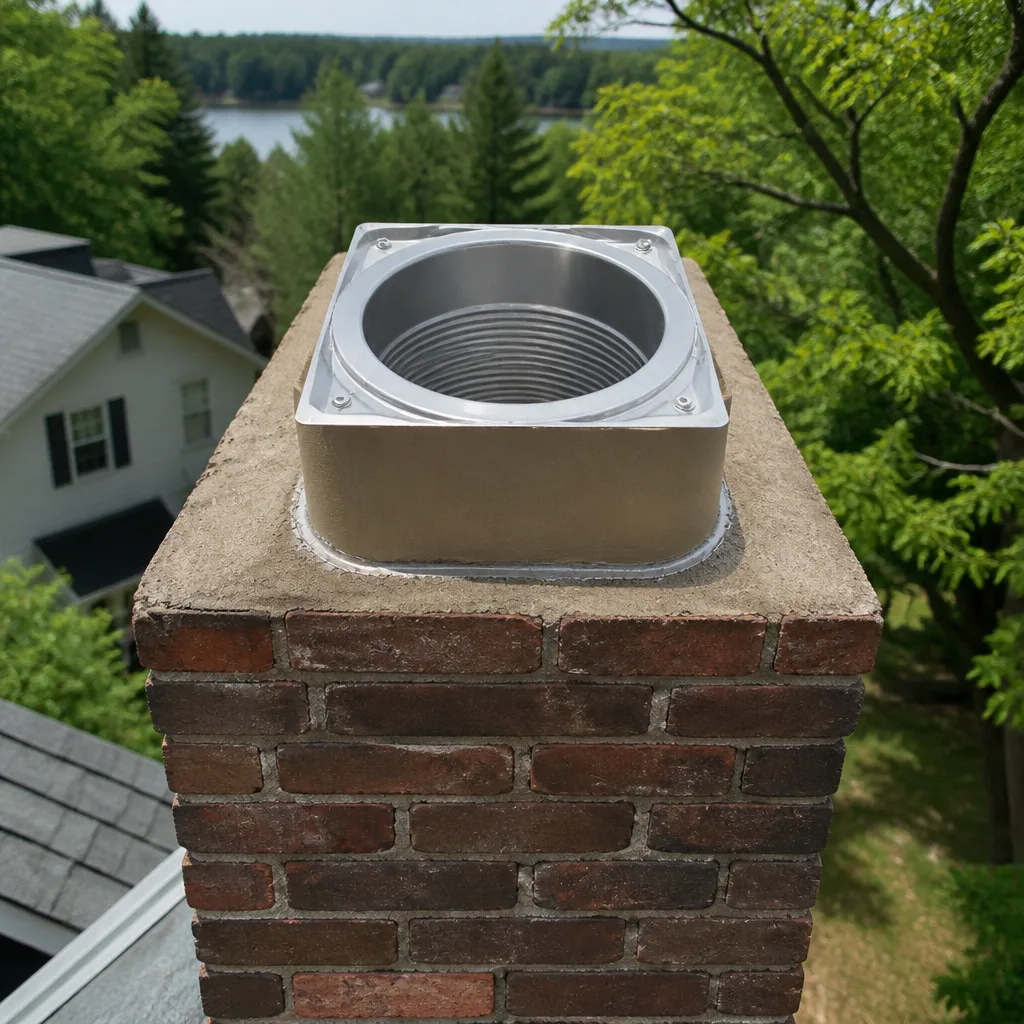 Flue relining
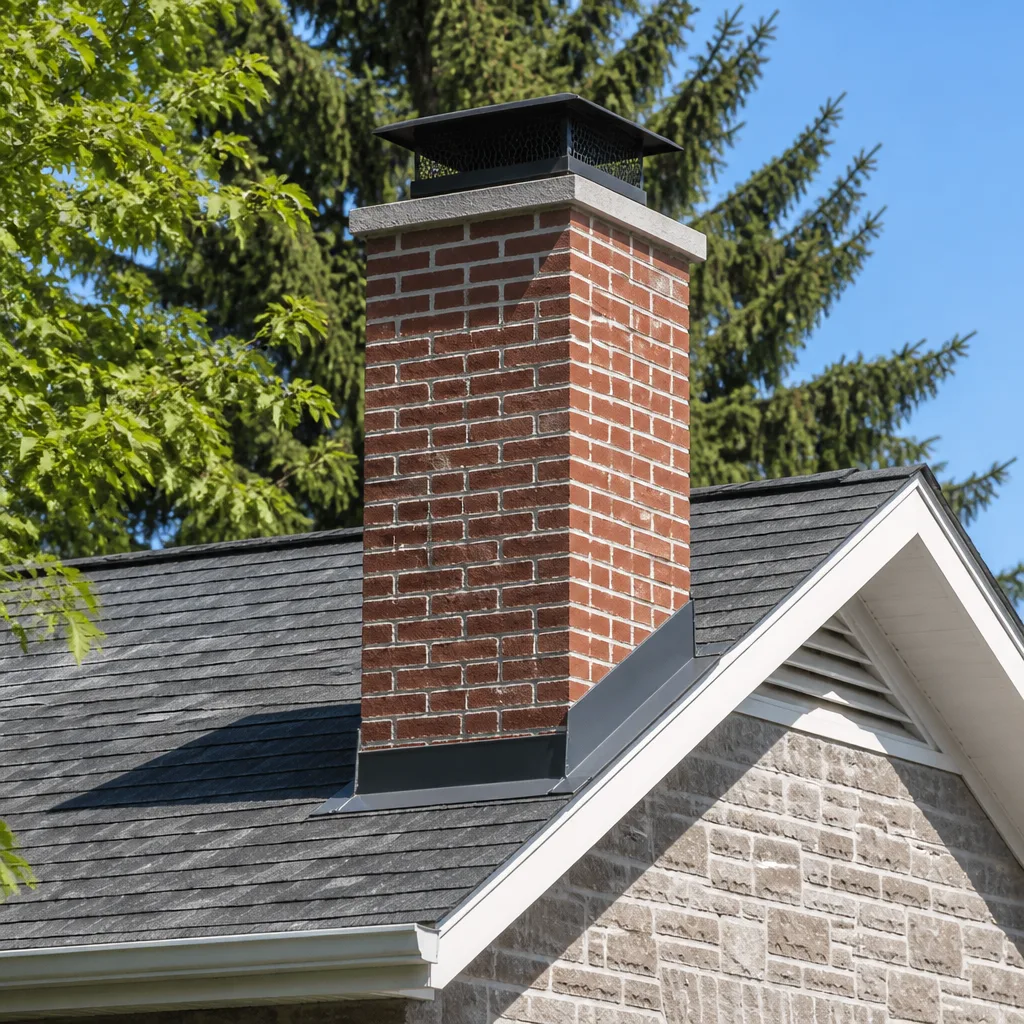 Masonry repair
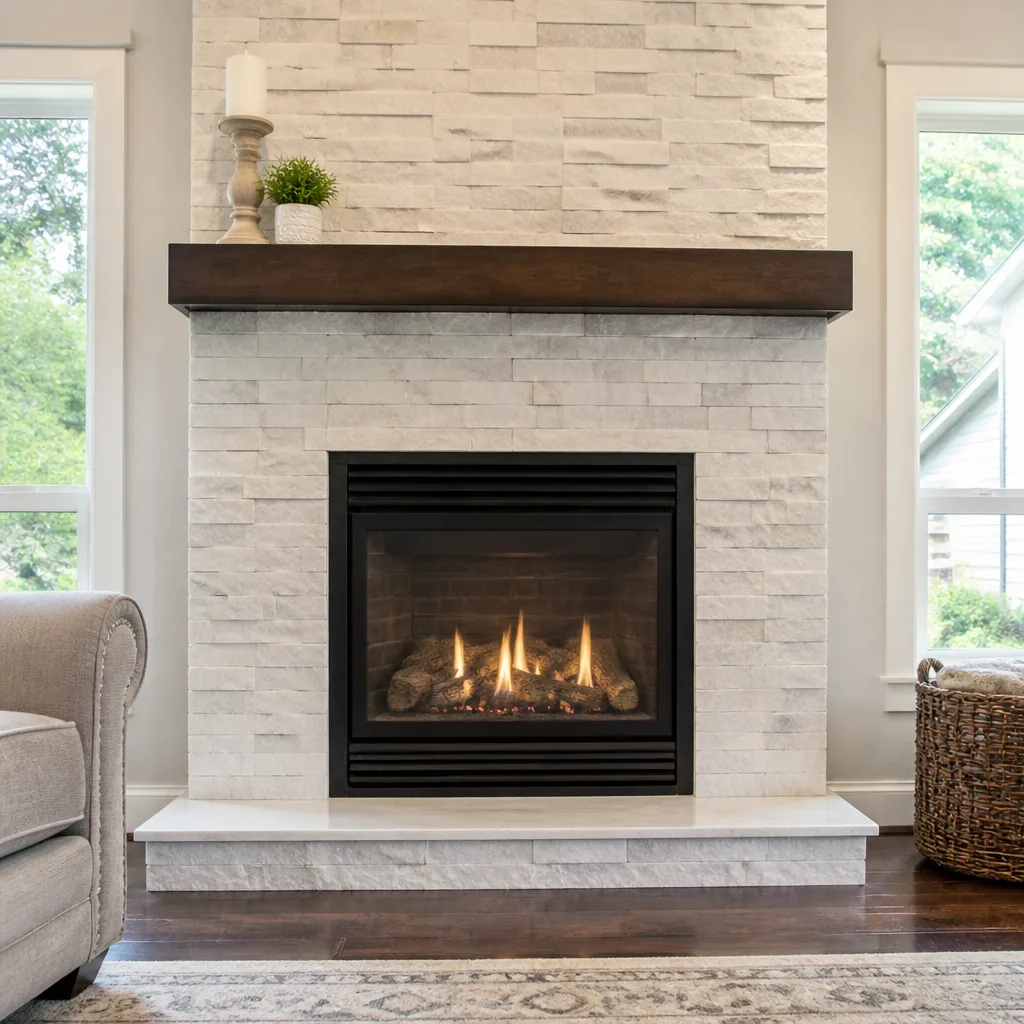 Gas fireplace service
Level 1 sweep and inspection to the NFPA 211 annual standard - flue, crown, cap, and flashing checked and photographed
Chimney sweep logs do not sweep chimneys. They loosen some creosote - which then falls where a brush and vacuum still have to collect it.
DIY vs Professional Chimney Cleaning: The Commerce City Homeowner’s Decision Guide
A chimney brush kit from a home improvement store removes loose soot. It doesn’t remove Stage 2 or Stage 3 creosote, doesn’t inspect the liner, and doesn’t tell you whether your flue is safe to use. That gap between “looks clean” and “is safe” is where most of the confusion starts for homeowners in Commerce City. This guide lays out exactly what a do-it-yourself sweep can handle, what it can’t, and how to tell which category your chimney falls into before you climb a roof or book a service.
Quick Answer
DIY chimney cleaning is only defensible for a narrow group: a homeowner with a low-use, well-maintained gas or wood appliance, a documented recent professional inspection, the right equipment, and real familiarity with the flue. For most Commerce City households, the variables that make a professional sweep worth the cost – creosote stage, liner condition, cap and crown integrity, and the inspection record – shift the calculation away from DIY. A brush kit cleans soot. A professional sweep cleans, inspects, and tells you what the flue needs next.
Styles & brands we work with
- Sweep & inspection
- Caps & crowns
- Flue relining
- Masonry repair
- Gas fireplace service
Table of Contents
- What a DIY Brush Actually Removes (And What It Doesn’t)
- The Creosote Stages That Decide the Conversation
- The Inspection Gap: Why Cleaning Without Inspection Misses the Real Risk
- Equipment Reality: Consumer Kits vs Professional Rotary Systems
- Safety and Liability When You Clean Your Own Chimney
- DIY Scenarios That Are Actually Defensible
- Commerce City Factors That Change the Calculus
- A Step-by-Step Decision Framework
What a DIY Brush Actually Removes (And What It Doesn’t)
A consumer chimney brush is a mechanical scraper. It removes loose soot, light fly ash, and the softest top layer of creosote from the flue walls it can reach. That’s a real result. It’s also the smallest part of what a sweep is for.
What a hand brush cannot do is break down the glazed, tar-like deposits that cling to flue tile after a season or two of cool, inefficient fires. Creosote hardens in layers. The first layer is soot and dust that brushes off easily. The second layer is flaky and brittle and comes off with effort. The third layer is the problem: a shiny, hardened glaze that bonds to the tile surface. Brushing it with a consumer nylon or poly brush mostly slides over it. Removing Stage 3 creosote requires either chemical treatment designed to soften the glaze or mechanical descaling with a rotary system built for the job.
Here’s what a brush kit does and doesn’t touch:
- Removes: loose soot, fly ash, and soft Stage 1 creosote.
- Struggles with: flaky Stage 2 creosote in the upper flue and at the smoke chamber transition.
- Does not remove: glazed Stage 3 creosote, which requires chemical or rotary mechanical treatment.
- Does not inspect: flue tile cracks, joint gaps, liner seams, cap integrity, crown cracking, or the smoke shelf and damper area.
- Does not contain: the fine soot that escapes into the living space without a sealed vacuum rig.
The smoke chamber is a good example of what gets missed. It’s the sloped transition between the firebox and the first flue tile, and its corbeled shape catches creosote that a straight brush can’t address. Pros use specialized chamber brushes and, where the surface has deteriorated, HeatShield cerfractory resurfacing to restore it. That’s structural work, not cleaning work. It’s the kind of thing a homeowner discovers only after a professional inspection puts a camera on it. If you’re weighing whether to book a Chimney Sweep Commerce City visit or buy a kit, the honest starting point is knowing which creosote stage you’re dealing with – and that answer comes from looking up the flue, not guessing.
The Creosote Stages That Decide the Conversation
Creosote forms when wood smoke cools before it exits the flue. Cooler flue temperatures, unseasoned wood, and smoldering fires all push more of it onto the walls. The Colorado climate in Commerce City adds its own twist: a shoulder season with sharp temperature swings means homeowners often burn short, low fires that never get the flue hot enough to draft cleanly. Those are exactly the conditions that build creosote fastest.
The three stages are the single most useful thing to understand before deciding on DIY:
- Stage 1 – soot and dust. Soft, powdery, brushes off with a standard brush. This is what a consumer kit handles.
- Stage 2 – flaky, brittle deposits. Removable with a proper brush and effort, but the upper flue and smoke chamber are hard to reach from the roof with a hand-pushed rod, and difficult to verify without a camera.
- Stage 3 – glazed, hardened creosote. Baked onto the tile. Brushing won’t remove it. Requires chemical softening treatment or rotary mechanical descaling by a technician trained to do it without damaging the flue.
Stage 3 creosote is the reason chimney fires happen. It’s fuel sitting inside the flue, and it ignites at a temperature a hot fire can reach. A brush that slides over it hasn’t made the chimney safe – it’s made it look clean. In our experience, most homeowners who think they’re a “brush it once a year” case discover they’re a Stage 2 or Stage 3 case only after the flue is actually inspected. If you’re cleaning your own chimney, that’s the piece to understand first: you can remove what you can see, and the dangerous deposits are the ones you can’t easily see.
If you’re noticing draft problems, smoke spilling into the room, or a smell that lingers after the fire is out, that’s a signal to stop burning and have the chimney looked at. Our chimney sweep visits start with an assessment of creosote stage before any cleaning begins, so the plan matches what’s actually in the flue.
The Inspection Gap: Why Cleaning Without Inspection Misses the Real Risk
Cleaning and inspection are not the same job. Cleaning removes deposits. Inspection answers the safety question: is the flue intact, is the liner intact, does the venting meet the appliance, and are the cap and crown protecting the structure?
A homeowner with a brush is answering only the first question, and even then partially. The problems most likely to cause a fire or a carbon monoxide problem are the ones you find by looking, not brushing:
- Flue tile cracks and joint gaps – gaps between tile sections let heat and gases escape into the chimney structure.
- Liner deterioration – corroded or cracked liners in older masonry flues and failing prefab liners are a hazard a brush can’t reveal.
- Smoke chamber deterioration – the corbeled chamber surface erodes with acid and moisture over time.
- Cap damage – a missing or damaged cap lets rain, birds, and debris into the flue, and water accelerates every other problem on this list.
- Crown cracking – a cracked crown channels water into the chimney structure and rots the mortar from the top down.
- Appliance connections – a gas appliance vented through the flue has its own venting requirements, and those need to be checked, not assumed.
This is the category of problem that consumer cleaning most consistently misses. It’s also the category our chimney repair work responds to most often: cracked crowns, degraded smoke chambers, failed liners. All of it shows up in an inspection before it shows up in a fire. Our technicians have up to 15 years of experience and approach the flue as an inspection first, a cleaning second. The inspection record is the document that tells you what your chimney actually needs – and it’s the thing you can’t produce from a roof brush.
Equipment Reality: Consumer Kits vs Professional Rotary Systems
A retail chimney brush kit runs a homeowner a modest amount – a brush head, a few flexible rods, sometimes a shop vacuum adapter. That cost is real, and it’s the most common justification for going DIY. What the price doesn’t show is the gap between what that kit does and what a professional rig does.
Here’s the comparison that matters:
- Consumer kit: single brush head, hand-pushed rods, no containment. Removes surface soot with effort and sends fine soot into the room. No camera, no rotary power, no chemical application.
- Professional rotary system: power-driven rotary brush on a flexible shaft, sized to the flue. Spins against the tile to break loose Stage 2 and mechanically descale what a hand brush slides past.
- Containment rig: sealed vacuum and HEPA containment that keeps soot out of the living space. This is the difference between a sweep and a cleanup project.
- Inspection equipment: video camera on a rod or flexible reel to check the full flue run, joints, and cap from the inside.
- Chemical treatment: staged creosote softeners applied to Stage 3 glaze before mechanical descaling, so the rotary work doesn’t damage the tile.
The rotary system is the piece homeowners underestimate. It’s not a bigger brush – it’s a different tool class, spinning at controlled speed with a head matched to the flue diameter. On a moderate chimney, that’s the difference between a flue that looks clean and a flue that is clean. Our crews use professional-grade rotary equipment and work with the brands chimney specialists specify: DuraFlex liners for critical venting work, HeatShield for smoke chamber and flue resurfacing, Gelco and Copperfield components for caps, crowns, and terminations. That’s not a marketing detail – it’s the reason a professional sweep produces a result a consumer kit can’t reach.
Safety and Liability When You Clean Your Own Chimney
Here’s the part that doesn’t fit on a product label. If you clean your own chimney and a fire occurs afterward, the record of what was done and what condition the flue was in is yours alone. There’s no inspection report, no documentation of creosote stage, no record that the liner was checked. In the event of an insurance claim or an investigation, that absence is a real problem, and it’s not a hypothetical one – insurers look for maintenance records when a chimney fire is involved.
The practical case is stronger than the liability case. Cleaning a chimney involves working at height, opening a flue that can contain hidden hazards, and handling soot that gets into the air. A homeowner on a roof with a brush and no fall protection is taking on risk that has nothing to do with the chimney at all. Inside, the smoke chamber and damper area can conceal a deteriorated surface that crumbles on contact.
None of this means DIY is reckless. It means the calculation has to include what happens after: the flue you can’t see, the liner you didn’t inspect, and the record you didn’t create. A professional visit produces a picture of the chimney – cleaning, inspection, and a documented condition. That’s the case for the professional sweep, and it’s not really about the brushing.
DIY Scenarios That Are Actually Defensible
DIY chimney cleaning is defensible in a narrow set of circumstances. Here’s the short list:
- A low-use gas fireplace with a clean, inspected liner. A gas appliance burns clean compared to wood. If a professional inspection within the last cycle confirmed the liner and venting are sound, and the annual cleaning is light soot removal, a homeowner with the right brush can reasonably do it.
- A recent professional inspection on record. The inspection is what makes DIY defensible. Without it, you don’t know what you’re cleaning.
- Documented experience and the right equipment. A homeowner who has been shown the flue, understands creosote stages, owns a rotary-capable kit or a proper brush sized to the flue, and uses containment to keep soot out of the house is in a different category than a first-timer.
- A low-burn-season wood stove with a short flue run and easy roof access. A single-story, straight flue with a well-maintained cap and a light soot load is the least risky DIY case on the wood side.
Outside those scenarios, DIY starts to break down. If you burn wood regularly through the winter, if you’ve never had an inspection, if the cap is missing or damaged, if the crown is cracked, or if the appliance is a gas unit you haven’t had checked, the cleaning is secondary – the inspection is the job. And once an inspection is happening, the cleaning is the cheaper part of the visit. That’s the honest math. A homeowner who has an inspection on record and a light soot load can make DIY work. Most Commerce City homeowners who call us don’t fall into that category, and that’s not a knock on them – it’s how chimneys age.
Commerce City Factors That Change the Calculus
Commerce City has its own set of conditions that push the DIY calculation toward professional service for most households.
Burn season and temperature swings. Commerce City’s winters are cold, but the shoulder seasons – October and April especially – are the ones that build creosote fastest. Short, low, cool fires during those swings produce more creosote per cord than a hot winter fire does. A homeowner who burns through the shoulder season is a higher-creosote-stage case than they might expect.
Older housing stock and masonry chimneys. Many Commerce City neighborhoods have masonry chimneys that have been through decades of freeze-thaw cycles. Freeze-thaw is hard on crowns and mortar joints. A cracked crown channels water into the chimney, and water is what destroys the structural integrity that makes a chimney safe. A sweep visit that turns up a cracked crown isn’t a cleaning – it’s a cap and crown job, and that’s the kind of thing a homeowner often doesn’t see until an inspection catches it.
Prefab and masonry mixed service. The Commerce City market includes a mix of older masonry chimneys and prefab units in newer construction. Prefab units have their own venting requirements and their own failure points – a failed prefab liner is a fire-safety issue that consumer cleaning doesn’t address. DuraFlex liner work is the repair most often needed on both, and it’s not a DIY job.
One company for the full lifecycle. The Commerce City homeowner’s real advantage in choosing a specialist is coverage: the same team that inspects is the one that repairs and installs, whether that’s a fireplace repair, a flue resurfacing with HeatShield, or a cap and crown replacement. No referral chain, no gap between the person who found the problem and the person who fixes it. That’s the case for a professional visit in Commerce City specifically, where a sweep often turns up a crown or cap issue that needs a same-company follow-up.
A Step-by-Step Decision Framework
If you’re deciding between DIY and a professional sweep, run through this in order:
- Do you have a professional inspection on record from the last cycle? If no, book the inspection first. The answer to every question below depends on it.
- What’s the creosote stage? If it’s Stage 1 and the inspection was recent, DIY is defensible. Stage 2 or Stage 3 means a professional sweep with rotary equipment.
- Is the appliance low-use (gas) or high-use (wood)? A low-use gas unit with a sound, inspected liner is the most defensible DIY case. Regular wood burning is the least.
- Is the cap and crown intact? If either is damaged, cleaning won’t fix the problem. That’s a repair visit, not a cleaning.
- Can you verify the flue from top to bottom? If you can’t see the full flue run, you can’t confirm the cleaning worked. A camera inspection answers the question; a brush doesn’t.
- Do you have containment equipment? If not, DIY soot ends up in the house, and that’s its own problem.
Two or more “no” answers puts you in professional territory. That’s most Commerce City households, and it’s a reasonable place to land. A sweep visit costs less than a failed flue, and the inspection report is worth keeping. If you’re not sure which category you fall into, call and ask – we’ll talk through what a visit involves before you book.
Common Mistakes to Avoid
- Cleaning without inspecting. A cleaned flue that hasn’t been inspected is a guess. The inspection is the point of the visit, and skipping it leaves the real hazards unaddressed.
- Assuming “looks clean” means “is clean.” Stage 3 creosote glazed onto the tile looks clean from the firebox. It’s the deposit most likely to ignite a chimney fire.
- Buying a consumer kit and calling it a sweep. A retail kit handles Stage 1. Every deposit past that needs equipment the kit doesn’t include.
- Ignoring the cap and crown because the flue looks fine. Water intrusion from a damaged crown is what kills a chimney over time, and it’s invisible from inside the house.
- Cleaning a chimney you haven’t had inspected in years. If you don’t know the liner condition, cleaning is the wrong first step. Inspection comes first, always.
- Burning through the shoulder season without adjusting the cleaning schedule. Cool, smoldering shoulder-season fires build creosote faster than mid-winter burns, and Commerce City’s temperature swings make that easy to miss.
- Skipping the record. If you do clean it yourself, document the date and condition. An inspection report is a record, and a homeowner’s memory isn’t.
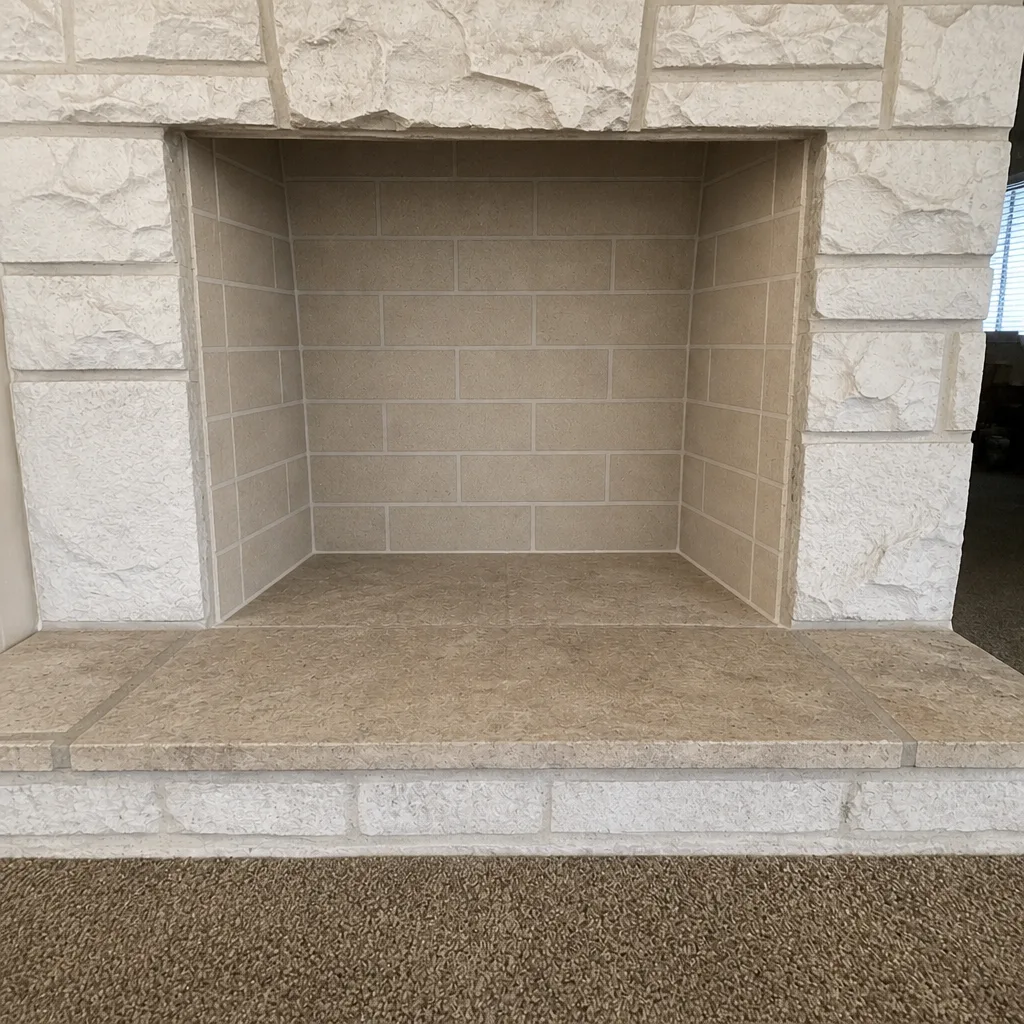
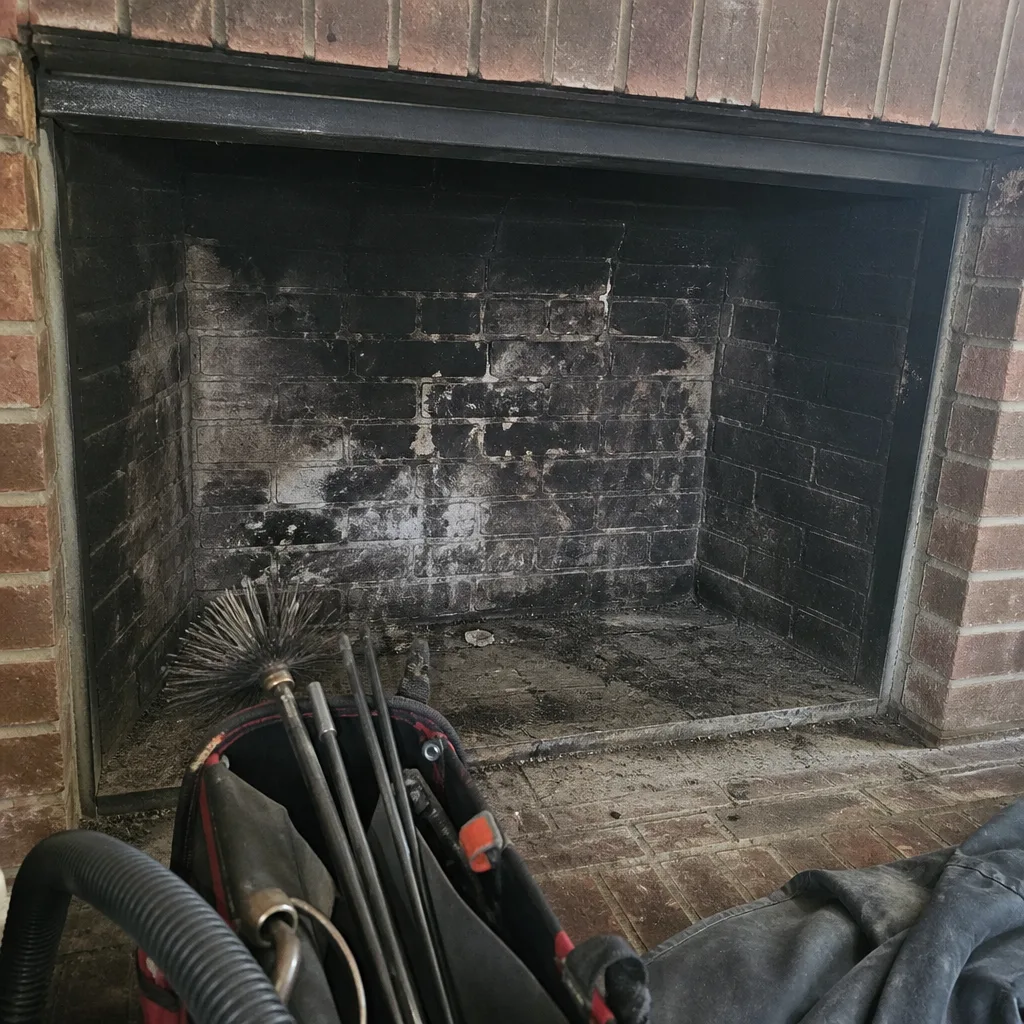
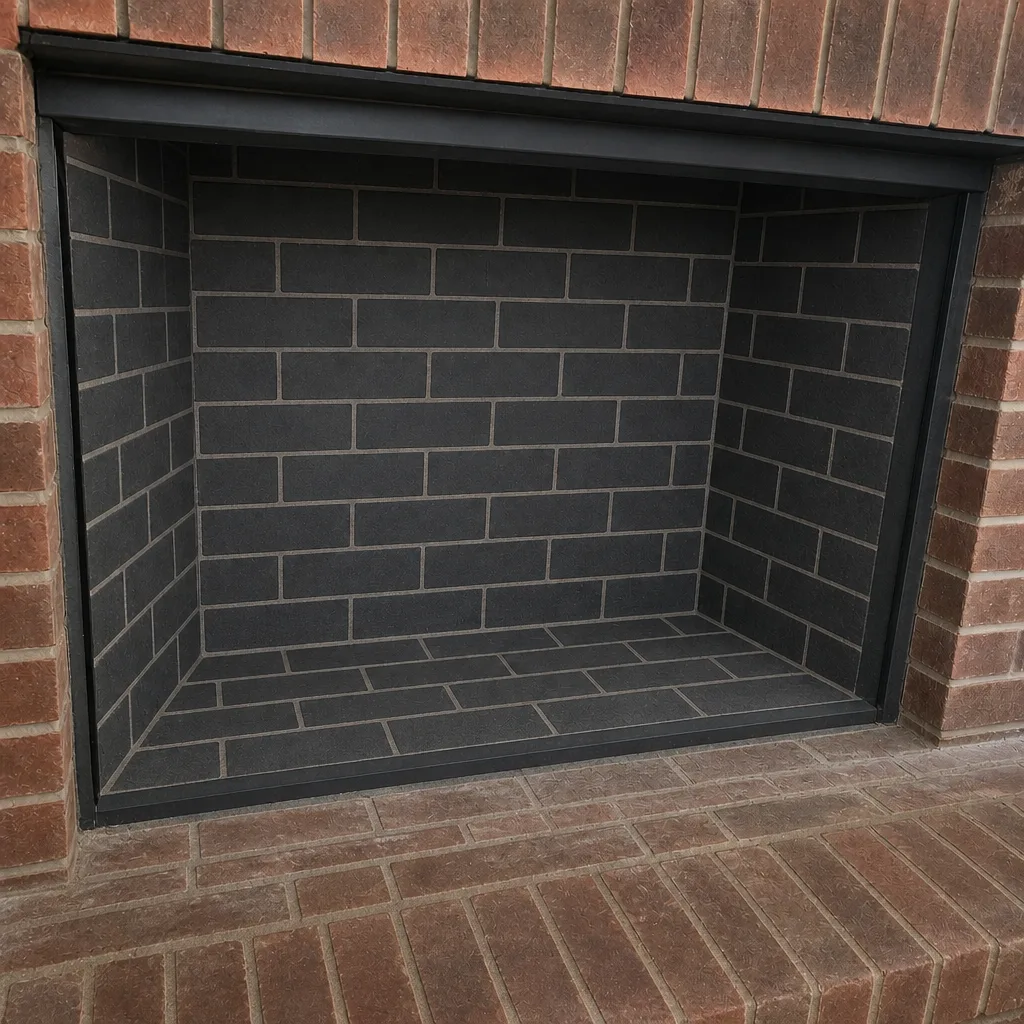
See the difference
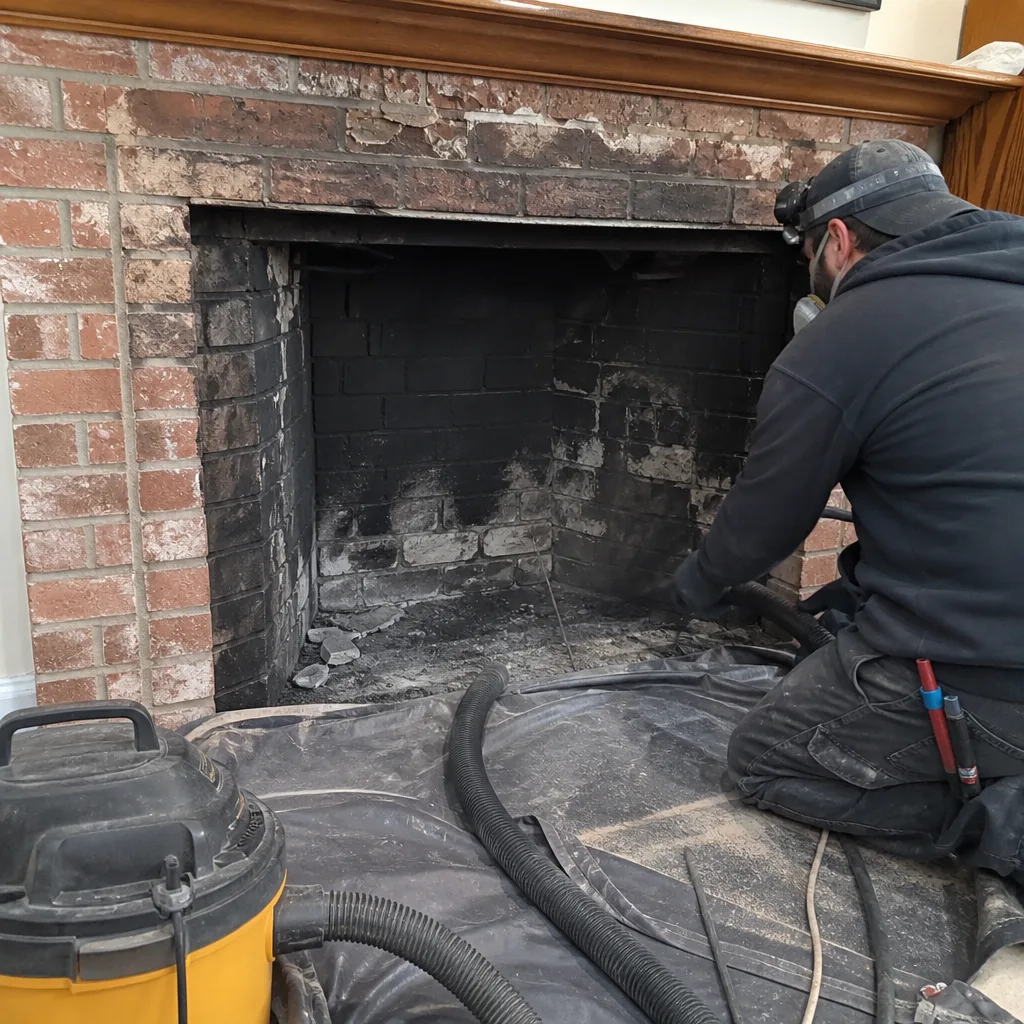 Before
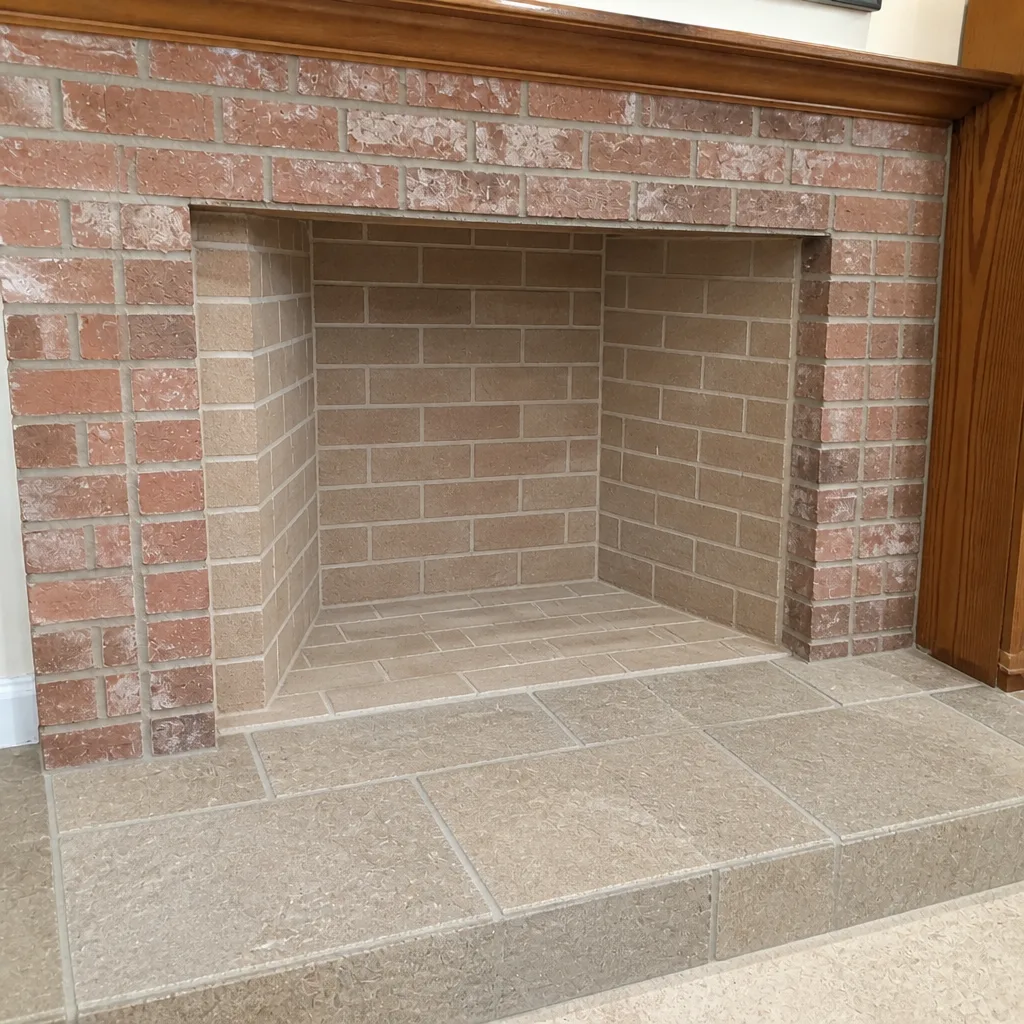 After
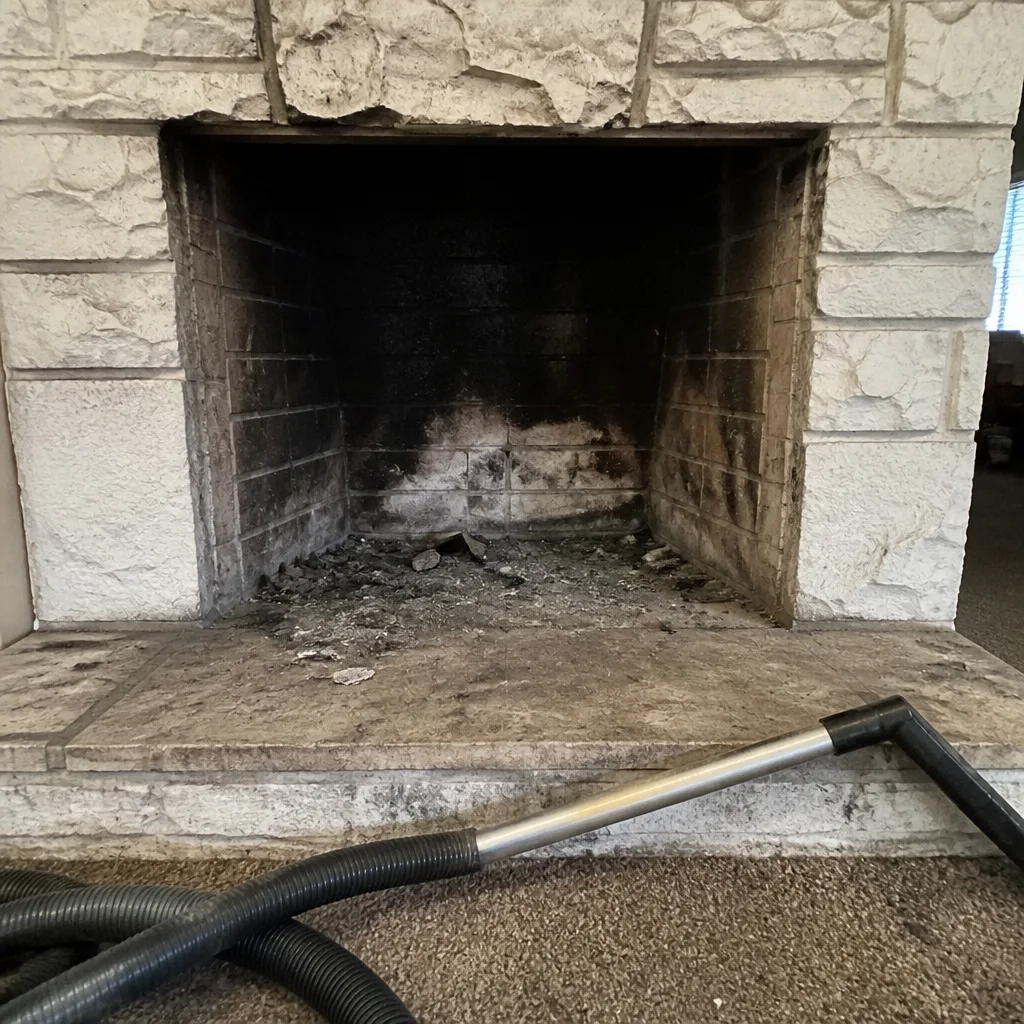 Before
 After
 Before
 After
When to Call a Professional
Call a professional when any of these is true: you don’t have an inspection on record from the last year; you burn wood regularly through the season; you’ve noticed draft problems, smoke spilling, or a lingering smell after the fire is out; the cap is missing, damaged, or you can’t see it from the ground; or the crown is cracked. Call if the flue has never been inspected since you’ve owned the house. Call if the appliance is gas and hasn’t been checked. And call if you’re not sure – the answer is usually yes. Chimney Sweep Commerce City offers free estimates in Commerce City. Call (855) 617-2952. We answer 24/7. Fast dispatch from 7am to 7pm, Sunday through Friday.
Frequently Asked Questions
You can clean your own chimney only if a recent professional inspection confirmed the liner is sound and the creosote load is light Stage 1 soot. Without that inspection, DIY cleaning is a guess, and the deposits most likely to cause a fire are the ones you can’t easily see. Call (855) 617-2952 for an exact quote on a sweep – estimates are free.
A hand brush removes loose soot and soft Stage 1 creosote. A professional rotary system spins a power-driven brush against the tile to descale Stage 2 deposits and, with chemical treatment, Stage 3 glaze that a hand brush slides over. The two tools work on different deposit classes, not just different effort levels.
Insurance policy language varies, and we don’t give coverage advice. What we can tell you is that insurers commonly ask for maintenance records when a chimney fire is investigated, and a DIY cleaning leaves no inspection record. A professional visit produces a documented condition report you can hand to your insurer if needed. Call (855) 617-2952 with any questions about what a visit involves – estimates are free.
A wood-burning chimney is typically cleaned once a year with regular use, and more often if you burn heavily or through the shoulder season. A low-use gas appliance still needs an annual inspection even when cleaning is light. The right interval depends on creosote load, which inspection determines.
Pricing depends on the flue, the creosote stage, and whether the visit includes an inspection – there’s no single rate that fits every chimney. We set the price per job by written estimate before work begins. Call (855) 617-2952 for an exact quote – estimates are free.
Creosote keeps accumulating, and Stage 3 glaze is what ignites in a chimney fire. Skipping a year also means skipping the inspection that would catch a cracked crown, a failed cap, or a deteriorated liner – the problems that get more expensive the longer they sit. Call us to book a sweep before the season starts.
The Bottom Line
DIY chimney cleaning is defensible for one narrow case: a homeowner with a low-use appliance, a recent professional inspection on record, the right equipment, and real familiarity with the flue. For everyone else in Commerce City, the cleaning is the cheap part of the visit and the inspection is the reason to book. A brush removes soot; it doesn’t remove Stage 3 creosote, doesn’t check the liner, and doesn’t produce a record. If you’re not sure which category you’re in, that’s the answer to the question – call and get the inspection that tells you. From the firebox to the crown, one company covers the sweep, the inspection, the repair, and the hardware. Our technicians have up to 15 years of experience and use the professional-grade brands chimney specialists specify: DuraFlex, HeatShield, Gelco, Olympia Chimney, Famco, and Copperfield.
Call (855) 617-2952 for a free estimate. We answer 24/7. Fast dispatch from 7am to 7pm, Sunday through Friday.
Written by the team at Chimney Sweep Commerce City.