
Last updated November 23, 2026
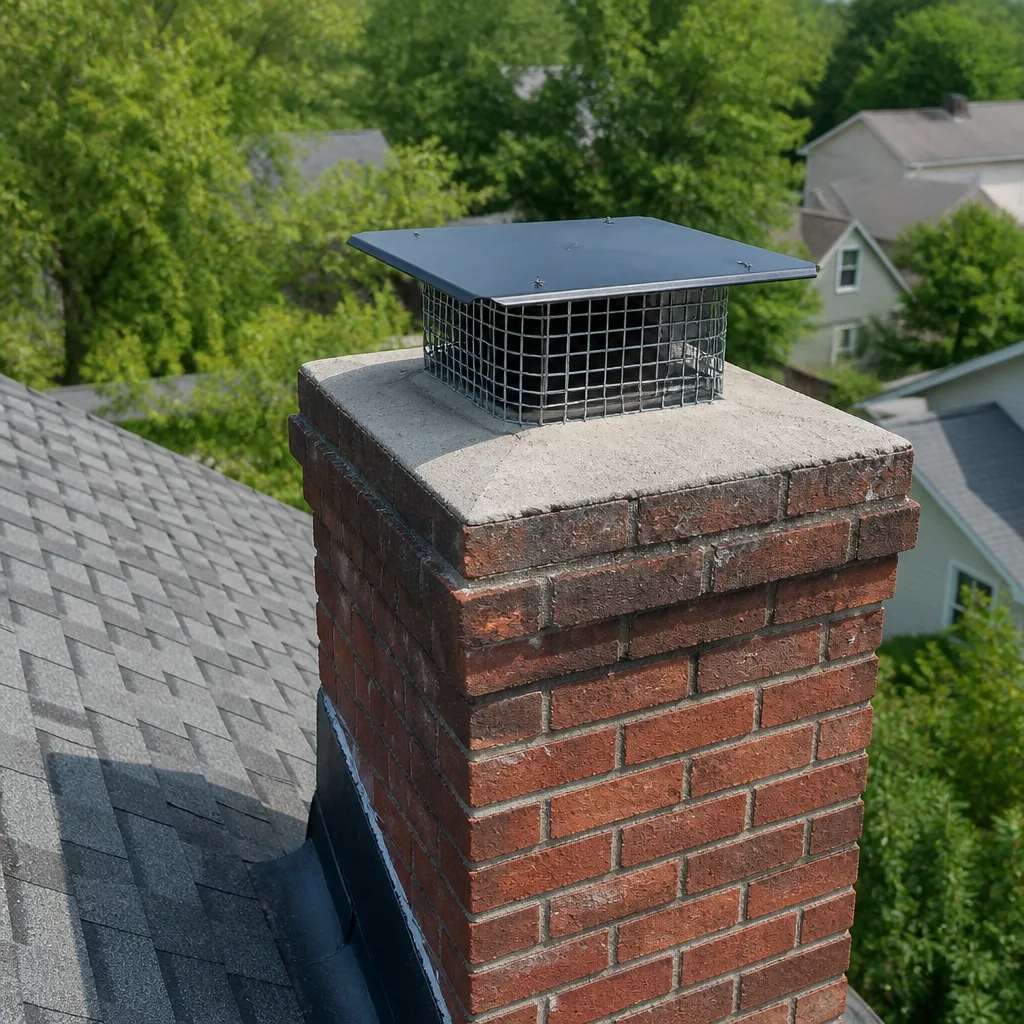 Sweep & inspection
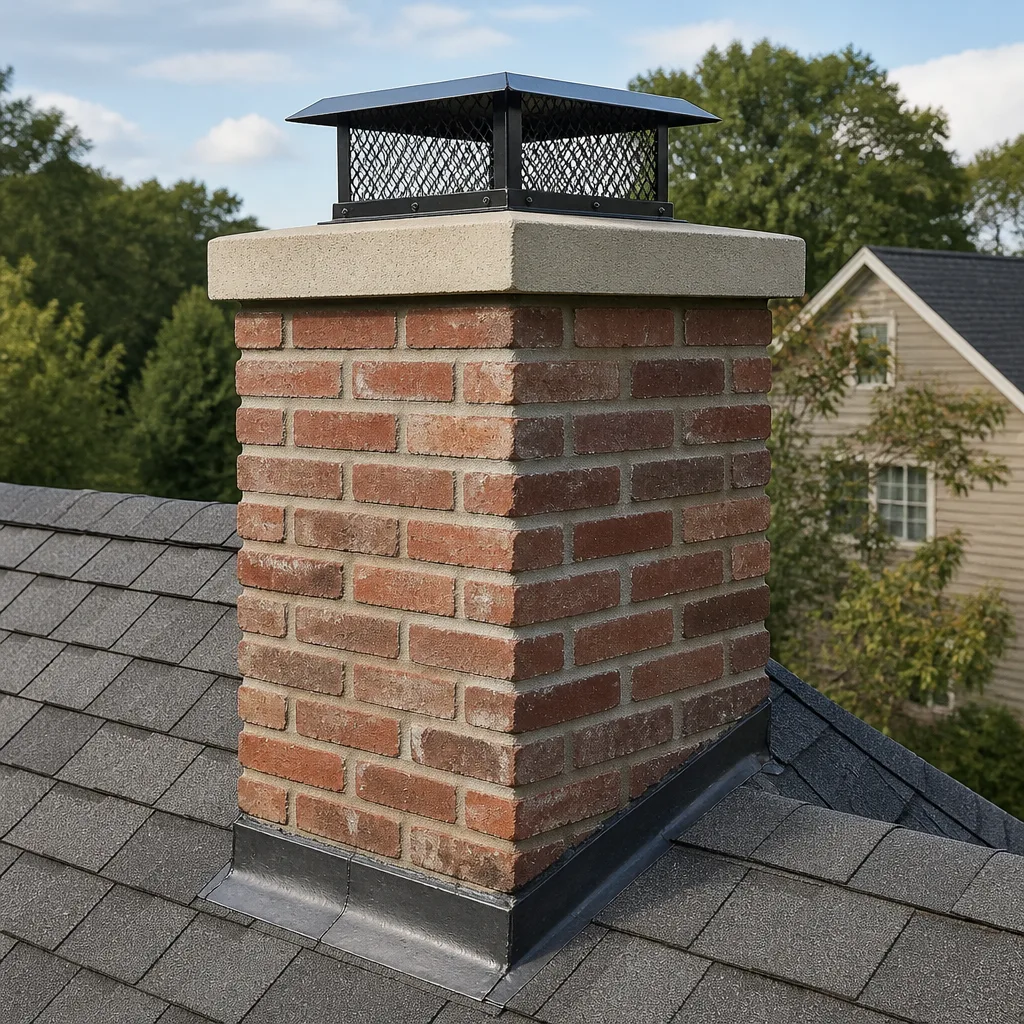 Caps & crowns
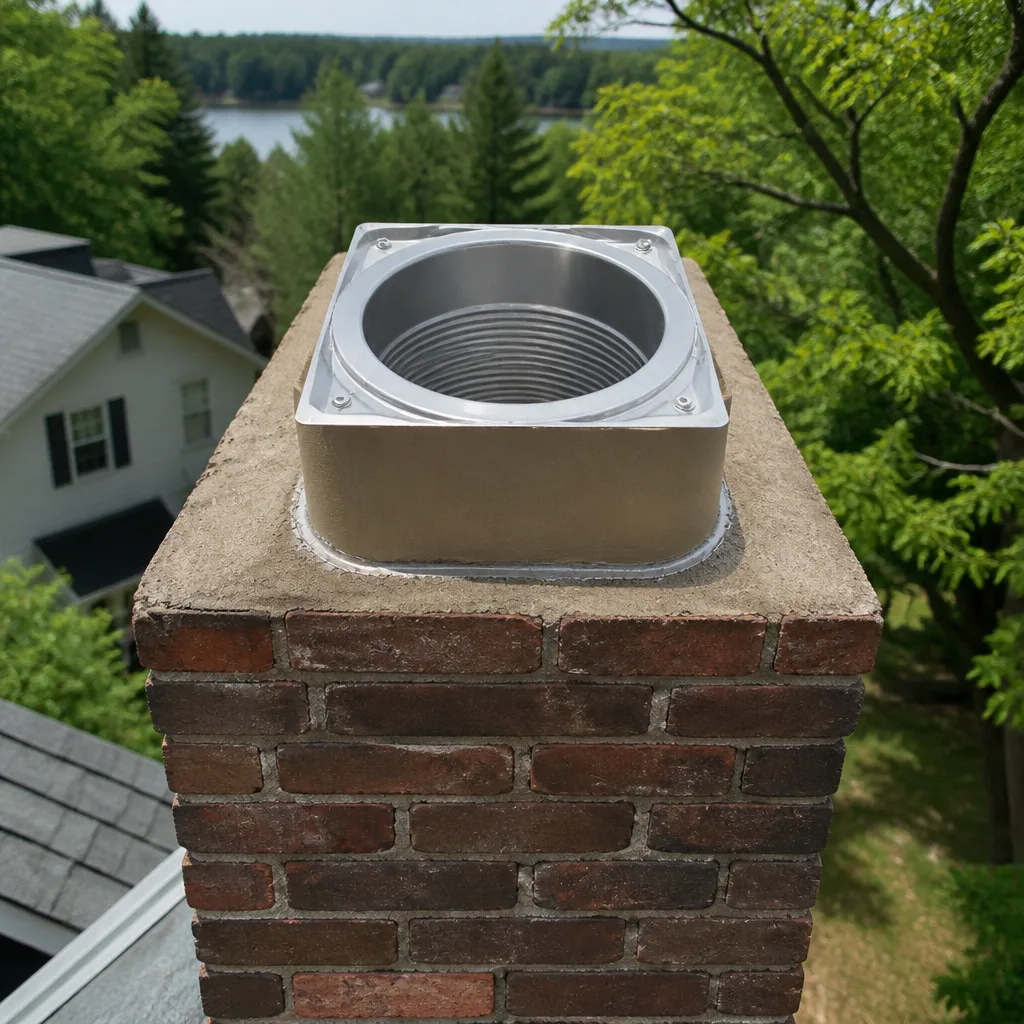 Flue relining
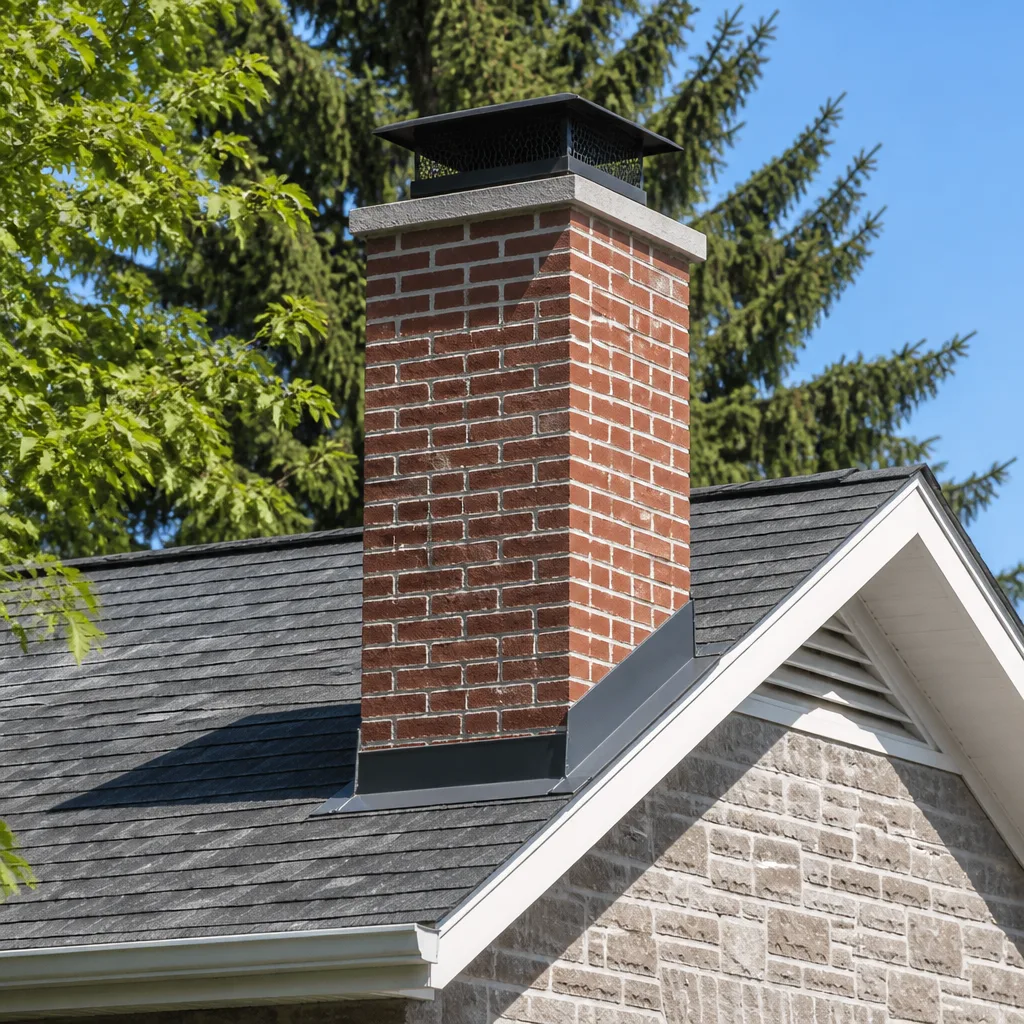 Masonry repair
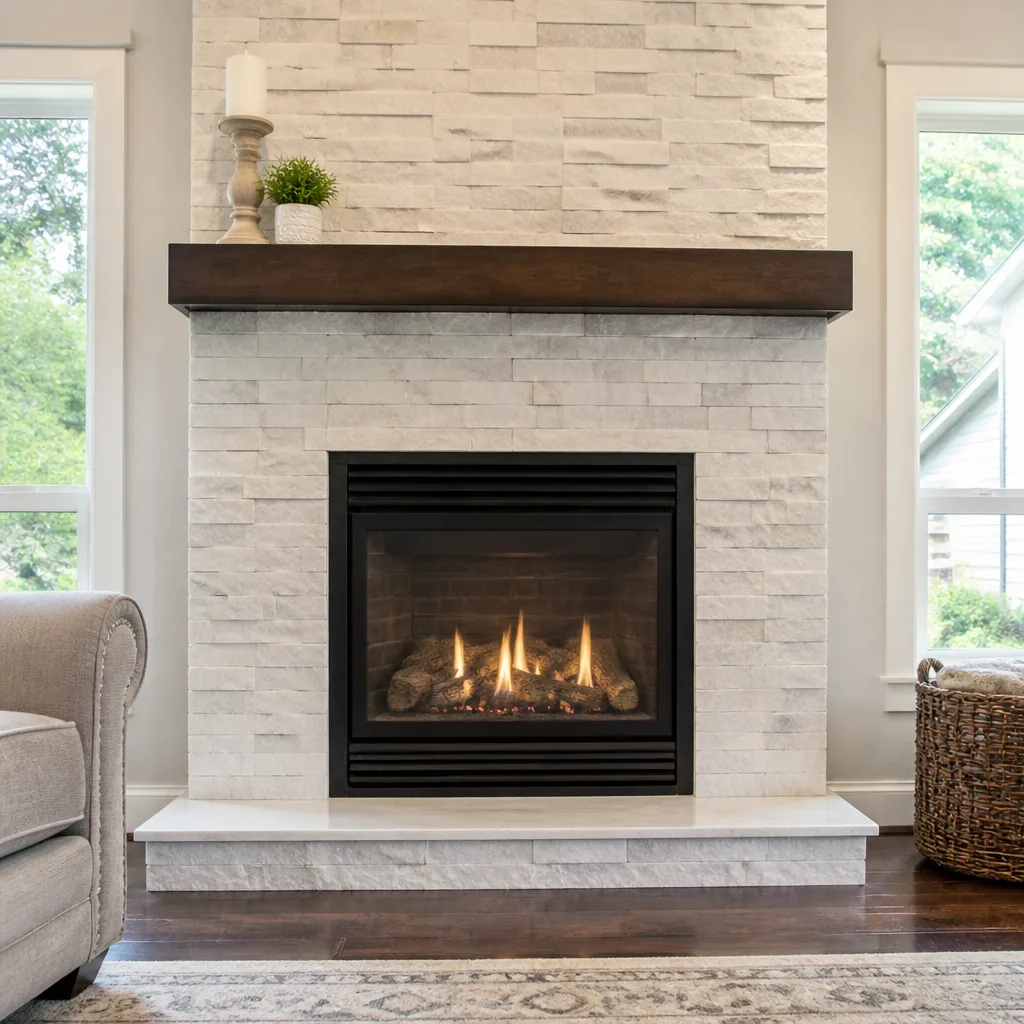 Gas fireplace service
Level 1 sweep and inspection to the NFPA 211 annual standard - flue, crown, cap, and flashing checked and photographed
Chimney sweep logs do not sweep chimneys. They loosen some creosote - which then falls where a brush and vacuum still have to collect it.
Chimney Cleaning Emergency Preparedness Guide for Commerce City Homes
Most homeowners think a chimney emergency announces itself with flames shooting out of the top of the house. In our experience, that’s the exception. The far more common emergency is a blocked or cracked flue quietly pushing carbon monoxide back into the living room while a fire burns in the firebox. Chimney fires can reach temperatures over 2,000°F and move from the flue into the framing in under four minutes, and the cleaning appointment that got pushed off is often the thing standing between a working fireplace and a house fire. This guide walks through the three kinds of chimney emergencies, what to do in the first minute of each, and how routine cleaning prevents them. It’s written for Commerce City homeowners dealing with real winter weather and real clay tile flues.
Quick Answer
Chimney emergencies come in three types: an active chimney fire, a carbon monoxide backdraft event, and structural failure of the flue or crown. Each calls for a different immediate response. Call 911 first for an active fire, get everyone outside and to fresh air for suspected carbon monoxide, and stop using any chimney showing signs of structural damage until a Level 2 inspection clears it. In every case, the follow-up is the same: a certified inspection and a documented cleaning before the fireplace is used again.
Styles & brands we work with
- Sweep & inspection
- Caps & crowns
- Flue relining
- Masonry repair
- Gas fireplace service
Table of Contents
- The Three Chimney Emergencies Every Commerce City Homeowner Should Recognize
- What to Do in the First 60 Seconds of a Suspected Chimney Fire
- How to Tell a Chimney Fire Already Happened
- Carbon Monoxide Risk from Blocked Flues, Cracked Liners, and Failed Dampers
- How Creosote Turns a Routine Cleaning Into a Safety Call
- Structural Failure: Crown, Cap, and Flue Tile
- Why a Documented Annual Inspection Matters After a Chimney Event
- Prevention Checklist for Commerce City Chimney Emergencies
The Three Chimney Emergencies Every Commerce City Homeowner Should Recognize
Not every chimney emergency is a fire, and treating them all the same way causes problems. Wood-burning fireplaces in Commerce City deal with temperature swings that stress masonry more than homeowners realize, and winter storms push smoke and carbon monoxide back down flues that haven’t been cleaned. Being able to name the emergency you’re facing is the first step toward the right action.
1. Active chimney fire
A chimney fire can be loud or silent. The dramatic version roars like a freight train, throws sparks from the top of the chimney, and sends black smoke down into the room. The quiet version burns hot and slow inside the flue, often going unnoticed until the aftermath shows up in an inspection. Either way, it’s the emergency that calls for 911 first and questions later.
2. Carbon monoxide backdraft event
This is the emergency that scares us most because nothing about it looks like an emergency. A blocked flue, a cracked liner, or a failed damper can let carbon monoxide from a wood fire or a gas appliance vented through the chimney drift back into living space. Common signs in the home include headaches, dizziness, nausea, and unusual drowsiness that resolve when people step outside. Anyone showing symptoms needs fresh air and a call to 911 or poison control, not a wait-and-see approach.
3. Structural failure
Masonry chimneys fail in ways homeowners don’t expect. A cracked crown lets water in, water freezes and expands, and the flue tile cracks over a season or two. A missing cap lets birds and squirrels nest in the flue. Missing mortar joints between flue tiles open gaps that let hot gases reach the framing. Structural failure usually doesn’t produce a fire by itself. It produces the conditions for a fire or a carbon monoxide event and often shows up during chimney repair calls as a problem the homeowner didn’t know was there.
How the three differ in urgency
- Active fire: 911, evacuate, wait outside.
- Carbon monoxide event: fresh air, 911 or poison control, no re-entry until cleared.
- Structural concern: stop using the chimney until a professional inspection.
What to Do in the First 60 Seconds of a Suspected Chimney Fire
The first minute of a chimney fire decides a lot. The instinct to throw water on the fire or run outside to check the roof is the wrong move. What the situation needs is immediate evacuation and a call to the fire department, made from a phone outside the house. Firefighters can assess and contain a chimney fire safely; homeowners trying to fight it themselves are the reason chimney fires turn into house fires.
- Get everyone out. Children, pets, and anyone elderly first. Don’t stop to grab things.
- Call 911 from outside. Say “chimney fire” clearly, give the address, and stay on the line until told to hang up.
- Close the firebox doors and damper only if it’s safe to reach. Cutting air to the fire slows it. Skip this if the room is filling with smoke.
- Don’t use water. Water on a hot flue or firebox can crack masonry and send steam and soot back at you.
- Stay out. Even after flames stop, the chimney and framing need a professional check before anyone goes back inside.
- Ask the fire department for a report. You’ll want a copy for your insurance company and for the inspector who follows up.
What not to do
Don’t spray water down the flue from the roof. Don’t climb on a snowy or icy roof to inspect the top. Don’t assume “it’s out” because you can’t see flames. Chimney fires can burn inside the flue for a while after the visible fire goes out. We answer 24/7 for the call that follows, and the inspector needs to see the flue before the fireplace is lit again.
How to Tell a Chimney Fire Already Happened
Most chimney fires that show up in a Commerce City inspection already burned and went out before the homeowner noticed. The signs are specific and only visible from inside the flue. A shop-vac and a flashlight won’t tell you much; a camera inspection will. This is why we treat any evidence of a past fire as a Level 2 inspection trigger before anyone relights the fireplace.
Signs a chimney fire has occurred
- Puffy, honeycombed creosote inside the flue, which is what burned creosote looks like after it has expanded and cracked.
- Cracked or spalled flue tile, especially tiles that look crazed with fine cracks or have chunks missing.
- Warped or discolored damper, or a damper that no longer opens or closes cleanly.
- Heat damage to the cap or spark arrestor, including warped metal or soot patterns that look like a flame ran up the flue.
- Smoke staining on the chimney face or around the crown, which sometimes shows up after a hot fire.
- Charred or blistered framing near the chimney chase, which is a serious sign and calls for immediate evaluation.
Why a Level 2 inspection is not optional here
A Level 2 inspection goes into the flue with a camera and gives a full view of the liner, the joints between tiles, and the smoke chamber. A visual check from the firebox door can’t see any of that. If a chimney fire has occurred, or if anyone in the household suspects one, the flue needs that camera view before it sees another fire. The same applies after a chimney has changed use, after a new appliance has been connected, or after a structure has been modified near the chimney.
If the inspection turns up a damaged liner, we install a new one using professional-grade systems such as DuraFlex. The trades specify these for a reason: they’re a long-term fix for the exact failure that lets heat reach the framing. Its own integrity matters more than any other part of the system.
Carbon Monoxide Risk from Blocked Flues, Cracked Liners, and Failed Dampers
Carbon monoxide is the emergency that doesn’t look like an emergency. It’s colorless and odorless, and it doesn’t announce itself the way fire does. In Commerce City homes, the biggest chimney-related risks are flues that have quietly lost their draw. That can be a bird’s nest at the top, a liner that’s cracked from a past chimney fire, or a damper stuck partly closed. The result is the same: exhaust that should go up the flue comes back into the room.
Why winter is the highest-risk season here
Commerce City winter weather is a mix of cold snaps and warm days, and every one of those shifts stresses the chimney. Cold air makes a chimney slow to draw on a cold start until it warms up. Snow and ice on the cap can close off the vent. Heating season puts the fireplace and any gas appliance vented through the chimney into steady use, which is when the failure surfaces. If a carbon monoxide alarm sounds in a home, the correct response is to get everyone out and call 911. That’s not a wait-for-morning call.
Early signs of a draft problem
- Smoke rolling out of the firebox when the fire starts instead of drafting up.
- A fireplace that used to draw well and now doesn’t.
- Soot streaks above the firebox opening.
- A smell of smoke in the room a while after the fire is lit.
- Headaches, drowsiness, or nausea that go away when someone steps outside.
If anything on that list is happening in a Commerce City home, stop using the fireplace and arrange an inspection. It’s the same principle we apply to any fireplace repair call: the inspection findings decide the fix, not guesswork. A crack in a smoke chamber or a damper that won’t travel can be fixed. What can’t be fixed is a carbon monoxide event that already happened.
How Creosote Turns a Routine Cleaning Into a Safety Call
Creosote is the residue that builds inside a flue from wood smoke, and it’s the single biggest thing standing between a working fireplace and a chimney fire. Most of the chimney fires in Commerce City homes started with creosote that had been building for a season or two. The homeowner had a cleaning booked but let it slide. Then a hot fire lit off the creosote and the flue went to 2,000°F.
The three degrees of creosote
- First-degree: light, flaky soot that a normal sweep removes easily.
- Second-degree: a crusty, flaky layer that takes more than a brush pass to clear.
- Third-degree: a glazed, tar-like deposit that needs to be removed with mechanical rotary tools, not just a brush.
Each stage burns hotter and catches faster than the one before. That progression is why “we’ll get it cleaned next year” is fine in year one and reckless in year three. The bigger issue is that third-degree creosote isn’t a cleaning problem anymore; it may be a liner condition problem, because heat has already been sitting against the flue at a high temperature. That’s the point at which we start talking about a Level 2 inspection and, if the liner has suffered, the option of repairing it. An experienced tech will tell you which stage you’re looking at and show you the camera evidence, so the recommendation doesn’t rest on trust alone.
Wood choice and burn habits affect creosote
Unseasoned wood, a fire that’s smoldered all evening, and a damper left open wide on a cold chimney all push creosote buildup faster. On a Commerce City home, the same firewood burned two ways can produce very different amounts of creosote by the end of the season. Good burn habits help. They don’t replace the cleaning.
For a fuller look at how a professional cleaning handles all three degrees of creosote, see the Chimney Sweep Commerce City page.
Structural Failure: Crown, Cap, and Flue Tile
Structural failure doesn’t often start a fire by itself, but it’s the reason a chimney cracks its way into being dangerous. The crown is the concrete cap on top of the chimney that sheds water. When it cracks, water gets into the masonry, freezes, and expands overnight. Flue tile cracks. Mortar joints between tiles open up. Every freeze that follows pushes the crack wider. The result is a chimney with gaps that let hot gases reach the wood framing.
What to look for from the ground
- Cracked or missing crown at the top of the chimney, or a crown that’s pulling away from the flue.
- Missing cap or a cap that’s rusted through or knocked loose.
- Spalling brick on the chimney face, especially where water has been sitting.
- Efflorescence, the white powder that shows up when moisture is moving through masonry.
- Rusted or warped spark arrestor inside the cap.
A missing cap is often the first link in the chain: birds, squirrels, and rain get in first, then the nesting debris, then the blocked flue, then the carbon monoxide event. Cap and crown work is a small fix that prevents a much larger one. We install caps and crowns using professional-grade hardware from brands the trade trusts, such as Olympia Chimney and Copperfield.
When tile becomes the fix
Flue tile that’s cracked but still well aligned can sometimes be restored rather than replaced. HeatShield cerfractory resurfacing is one of those options: it rebuilds the flue’s interior surface without pulling the original tile out, which makes it a lower-impact repair when the liner itself is otherwise sound. That’s a structural repair in the middle ground between a cleaning and a full liner replacement, and it’s a decision an inspection should drive. The wrong answer is to relight the fireplace year after year and hope the tile settles. It doesn’t; it widens.
Why a Documented Annual Inspection Matters After a Chimney Event
If a chimney fire or carbon monoxide event happens in a Commerce City home, the first call is to 911. The second is to your insurance company. The third, whether you realize it in the moment or not, is to the documentation you have showing the chimney was maintained. Insurance adjusters and fire investigators work from a paper trail. Every entry in it helps when the claim needs evidence of upkeep and helps the adjuster understand what happened in the flue.
What the paper trail looks like
- The date and findings of the last professional sweep, in writing.
- Any camera inspection report, with photos or video of the flue interior.
- A record of repairs, including cap, crown, and liner work, with the materials used.
- Level 2 inspection reports after any prior chimney fire or change of appliance.
Why consistent cleaning matters here
A single invoice from three years ago doesn’t help much after an actual event. A cleaning record that shows the chimney was swept on schedule, inspected systematically, and repaired where needed is the record insurers work from. It’s also the record that lets a new owner inherit the chimney with its history intact if the house is sold. We keep inspection reports and photographic evidence for every job. We identify the problem before we quote the fix, and the paper trail is part of that.
A routine chimney sweep is the entry point for all of it. The cleaning itself takes an hour or so, and the inspection report that comes out of it is the reason a Commerce City homeowner can say with some confidence “this chimney has been cared for.”
Prevention Checklist for Commerce City Chimney Emergencies
Almost every chimney emergency has a preventive answer, and the work is almost always smaller and cheaper than the emergency. Here’s the short version of what we recommend for a Commerce City home with a wood-burning fireplace or a gas appliance vented through a chimney.
Schedule a cleaning and inspection before each heating season
Book a sweep before the burning season starts, not after. A chimney that gets used more than a few fires a week needs an annual cleaning; a chimney that sees occasional use at least needs an annual inspection. Documentation from that appointment is part of the record.
Check the cap, crown, and flashing
Look at the top of the chimney from the ground at the start of the season. Missing caps, cracked crowns, and loose flashing are visible from safely below and are the most common entry points for water and wildlife. Fixing them now is cheaper than fixing the masonry later.
Burn dry, seasoned wood
Unseasoned wood puts moisture up the flue and produces more creosote. Dry, seasoned hardwood burns cleaner. It doesn’t eliminate cleaning needs, but it slows the buildup.
Never smolder a fire with the damper closed
A fire that’s smoldering with a closed damper is the exact condition that puts high-volume carbon monoxide into the room. Open the damper before lighting the fire. Close it only after the fire is fully out.
Install and test carbon monoxide alarms
Every home with a fireplace or gas appliance vented through the chimney needs working carbon monoxide alarms on each level and outside sleeping areas. Test them monthly during the burning season.
Watch for signs a past fire happened
Puffy creosote, cracked tiles, warped dampers, and stained chimneys all point to a fire that already happened. If any of them are present, stop using the fireplace and book a Level 2 inspection.
Common Mistakes to Avoid
- Putting off the annual sweep because “the fireplace hasn’t been used much.” A chimney that sat unused all summer is exactly where birds nest and where creosote from the last season is still sitting against the flue. The unused season creates the problem the next fire sets off.
- Ignoring carbon monoxide symptoms because the fire is burning fine. A flue can look normal from the firebox and still be pushing exhaust back into the room. Headaches and drowsiness around a working fireplace need a professional check, not a window opened.
- Climbing on a snowy roof to inspect the cap. Commerce City rooftops are slick and steep in winter. Cap and crown problems can be diagnosed from the ground and the flue camera, and a fall costs more than any chimney repair.
- Relighting a fireplace after a chimney fire without a Level 2 inspection. The fire that got the smoke out of the room didn’t necessarily leave the flue safe. Cracking and heat damage are only visible from inside the flue with a camera.
- Treating a cracked crown as a cosmetic issue. A cracked crown lets water into the masonry, water freezes and expands, and the flue tile cracks next. It’s the cheapest problem to fix on a chimney and the most expensive one to ignore.
- Using box-store caps and hardware on a masonry chimney. The hardware needs to fit the flue and hold against the weather. The trade spec is a different tier from the shelf at a home center, and the wrong fit lets water and animals in.
- Assuming gas fireplaces don’t need chimney maintenance. A gas appliance vented through a chimney still has a flue, a cap, and a venting system. Gas venting has its own inspection needs, and a blocked or damaged flue is a carbon monoxide issue whatever is burning in the firebox.
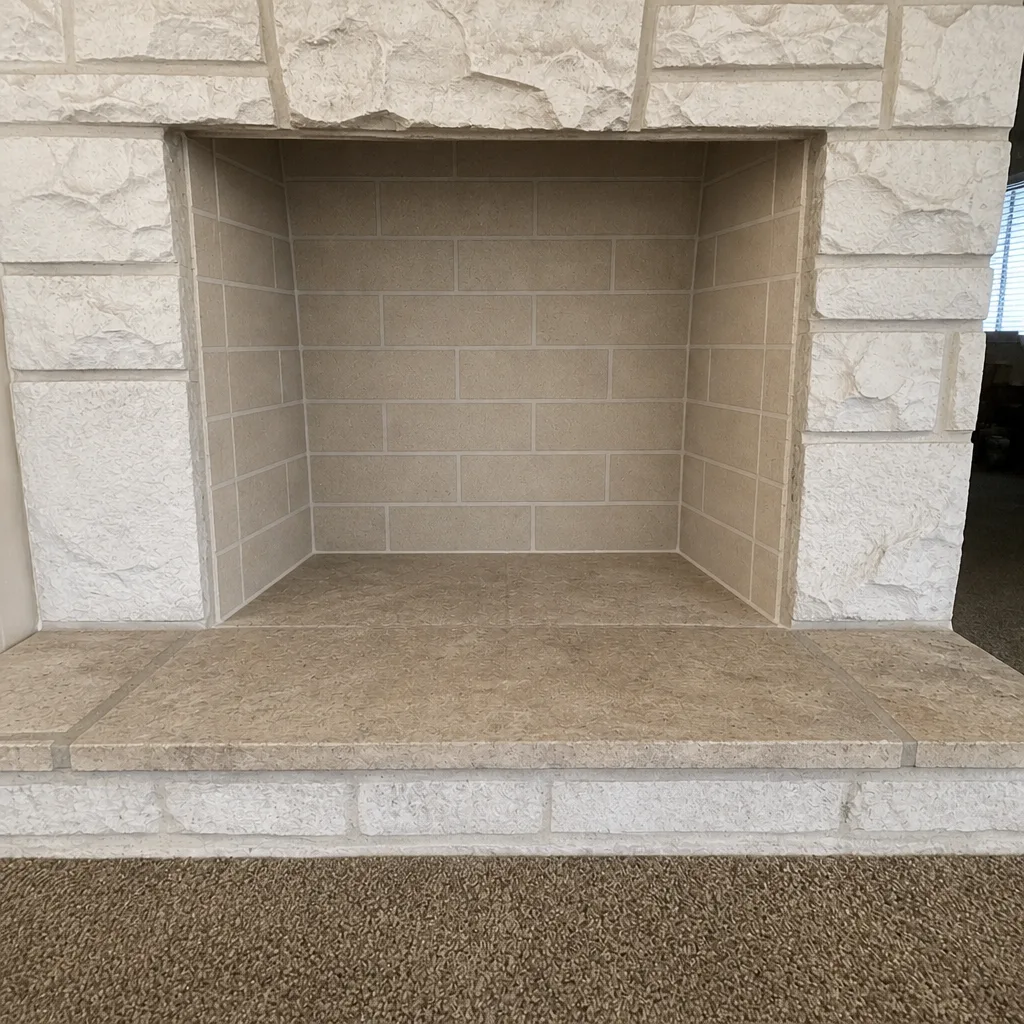
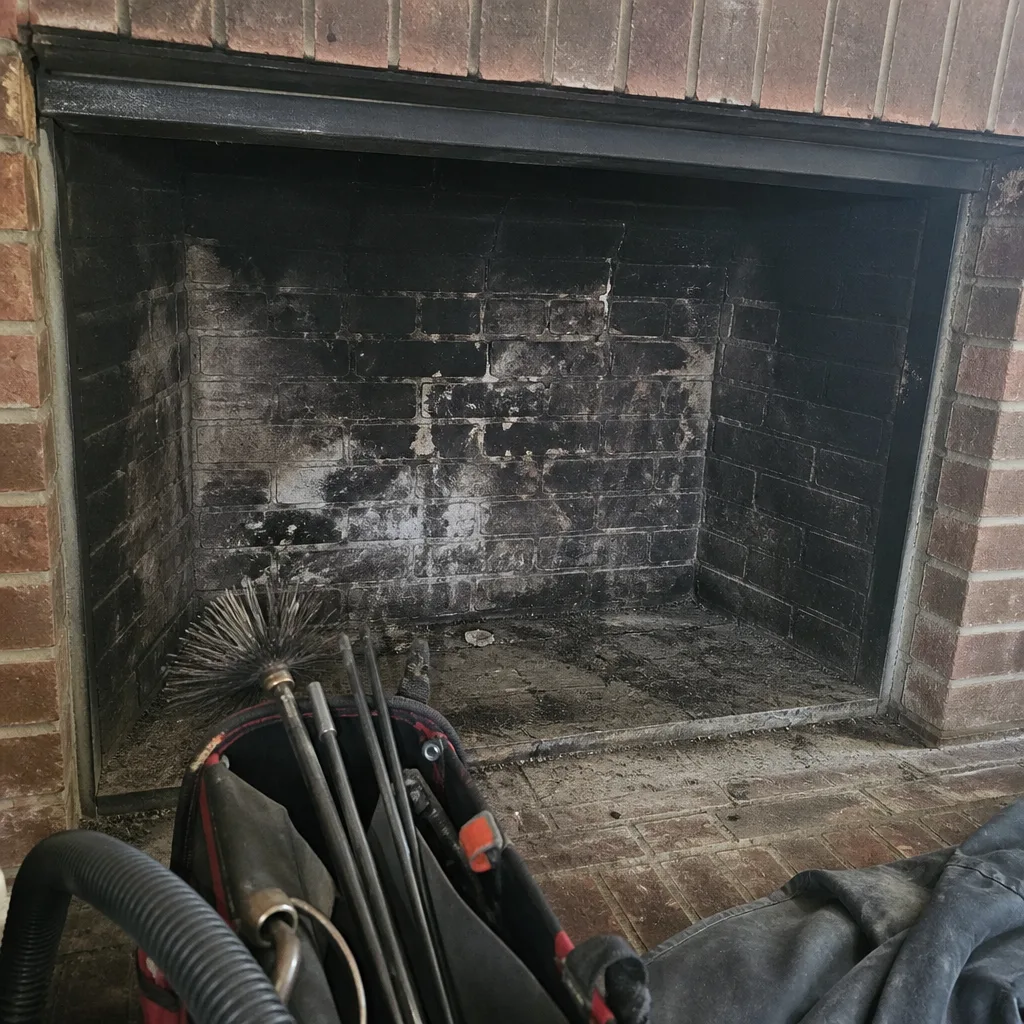
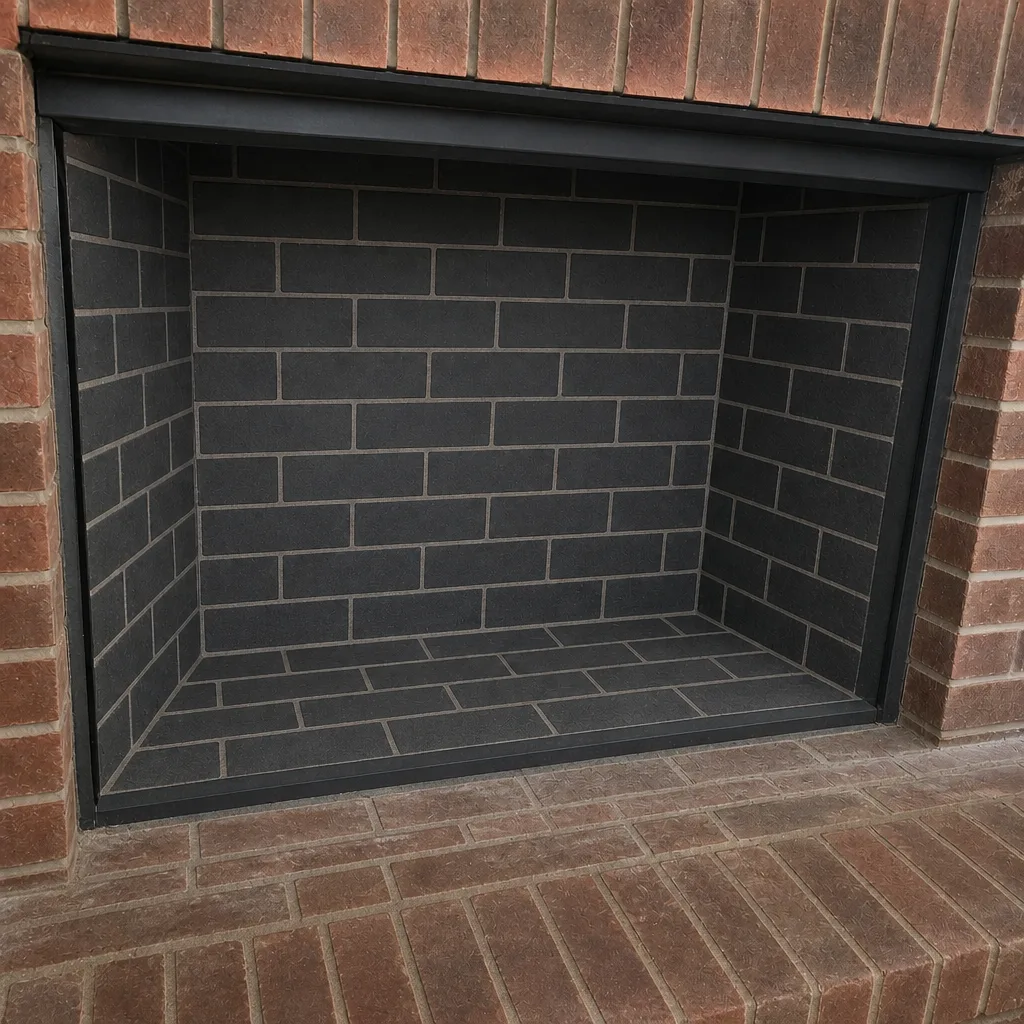
See the difference
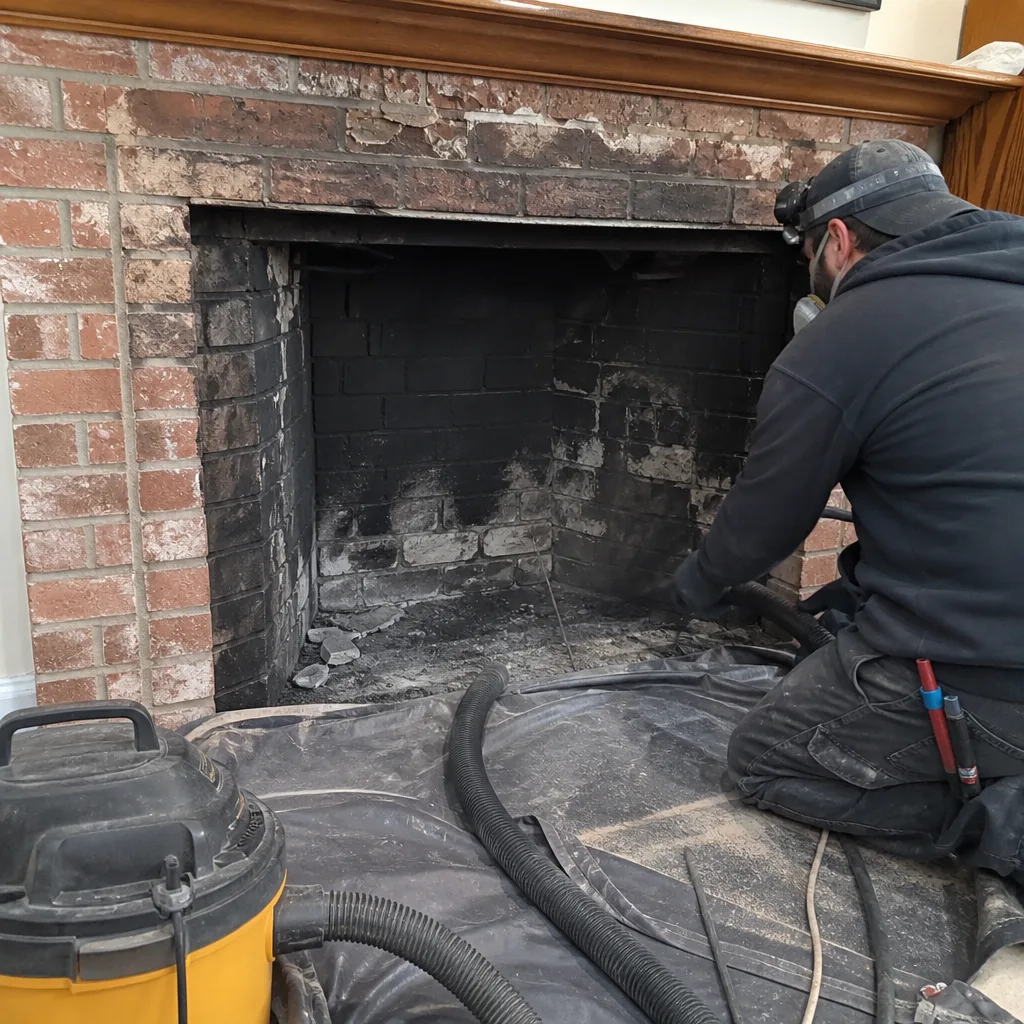 Before
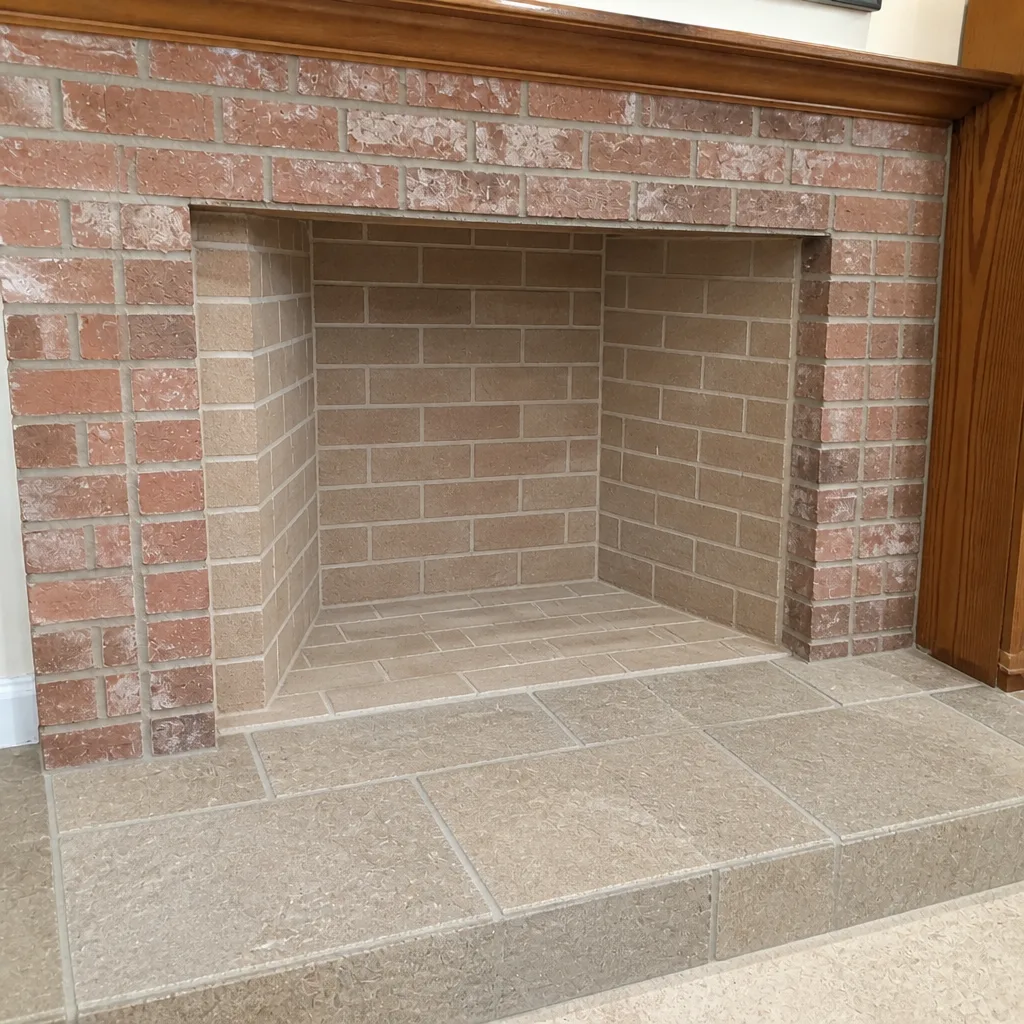 After
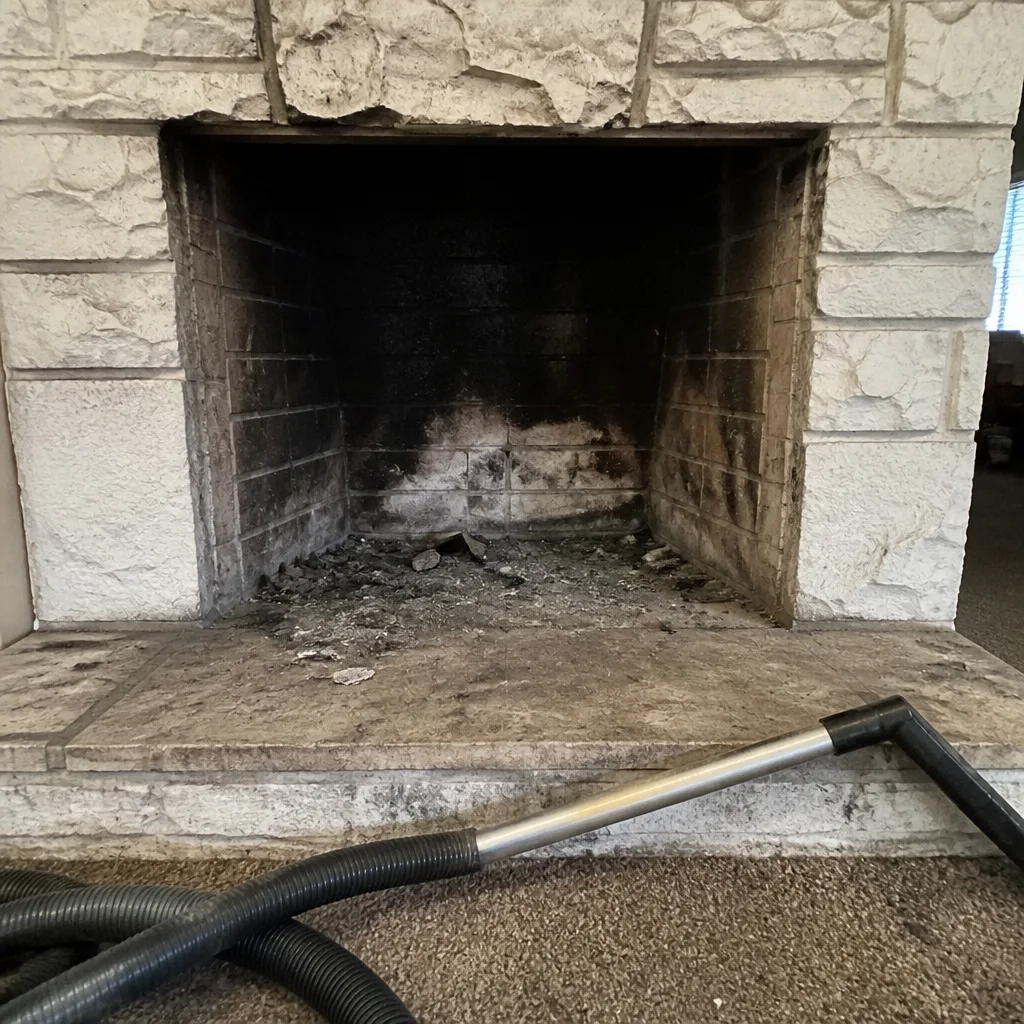 Before
 After
 Before
 After
When to Call a Professional
Call for an inspection if the fireplace hasn’t been swept in the past season, if a chimney fire happened even once, if smoke rolls back into the room when the fire is lit, if a carbon monoxide alarm has gone off, or if you can see a cracked crown or a missing cap from the ground. Call immediately if anyone in the home is showing carbon monoxide symptoms; those need 911 or poison control, not a service appointment. And call before the first burn of the season, not after, if the chimney’s history is unclear. Chimney Sweep Commerce City offers free estimates in Commerce City. Call (855) 617-2952.
Frequently Asked Questions
Get everyone out of the house and call 911 from outside. Close the firebox doors and damper only if it’s safe to do so, don’t spray water into the flue, and don’t go back inside until the fire department clears the house. Afterward, book a Level 2 inspection before the fireplace is used again. Call (855) 617-2952 for a free estimate and to schedule that follow-up inspection.
An annual cleaning and inspection is the standard for most homes with a wood-burning fireplace. A fireplace used several times a week during the burning season may need it more often, and a fireplace used lightly still needs an annual inspection. In Commerce City, the right time to book is before the heating season, not after. Call (855) 617-2952 to schedule the sweep.
Sometimes, but not reliably. A warped damper or heavy soot patterns above the firebox can hint at a past fire, but the definitive signs (puffy creosote, cracked tiles, heat damage between flue tiles) live inside the flue and need a camera inspection to see. If anyone in the household suspects a prior fire, the next step is a Level 2 inspection, not another fire. Call (855) 617-2952 for a free estimate.
Winter is when the fireplace, the furnace, and any gas appliance vented through the chimney are in steady use, and cold weather slows draft on every cold start. Blocked flues, cracked liners, and stuck dampers cause the most problems during the season when the system is working hardest. Every home with a fireplace or gas vent through the chimney needs carbon monoxide alarms on each level and outside sleeping areas. If an alarm sounds, get everyone outside and call 911. Call (855) 617-2952 to book an inspection that checks the whole venting path.
Only if the inspection shows the existing liner has failed, and the camera footage should show that clearly enough that you can see it yourself. A cracked flue tile, gaps between tiles, or a liner that has been through a chimney fire is a safety issue that a new liner solves. A liner that’s intact doesn’t need replacing. The inspection findings drive the recommendation, and we show the evidence before we quote the fix. Call (855) 617-2952 for a free estimate.
Creosote builds. The first season’s deposit burns hotter than the wood; the third season’s deposit is glazed and takes rotary tools to remove. What’s safe in one season becomes a chimney fire trigger in three, and the same flue can go from a cleaning job to a liner job. Skipping the cleaning doesn’t always cost the house; it just raises the odds, one fire at a time. Call (855) 617-2952 to book the sweep and inspection.
The Bottom Line
Chimney emergencies split into three kinds: active fires, carbon monoxide events, and structural failures. The response for each is different (911 first for fire; fresh air and 911 for carbon monoxide; stop using the chimney and inspect for structural damage) and none of them are safe to handle from the couch with the flue closed. Deferred cleaning is what ties all three together. Creosote in the flue, cracks in the tile, and a crown that lets water in are the conditions that turn a routine fire into an emergency. A scheduled annual cleaning and a documented inspection keep those conditions from building. In Commerce City, the season to book that appointment is before the first fire of the year, and the paper trail it produces is worth keeping.
Famco and Olympia Chimney are good examples of the professional-grade brands we specify for hardware and venting, and they’re a reminder that a chimney is a venting system, not just a hole in the roof. Materials matter. The findings matter. And the year you didn’t clean matters most of all.
If your chimney hasn’t been inspected this season, or if you’re unsure whether it’s ever had a proper cleaning, reach out. We answer 24/7. Fast dispatch from 7am to 7pm, Sunday through Friday. Call (855) 617-2952 for a free estimate. Our technicians have up to 15 years of experience, and we’ll show you what the camera sees before we recommend any work. If a repair can safely wait, we’ll say so.
Written by the team at Chimney Sweep Commerce City.